Tomatoes or Not Tomatoes? That is the Question!

Leave a comment

This winter, I didn’t heat my greenhouse so I’m sitting here thinking, should I start tomato plants from seed this year, or not? Sometimes I start seeding some as early as March in the growing trays. But March requires some heat in the greenhouse. Some tomato seeds however may be started in April. Waiting until April reduces my need for any heat or maybe that is when I will start up the heater again just to keep it warm enough. Usually, I start my seeds on heat mats inside my greenhouse too – and that is fine up until the germination starts and they get larger. Once they germinate, I need to keep the heat consistent inside the greenhouse as best as possible or avoid freezing of course!

The first big question is which last spring frost date to use? I always use May 12th here at my location, in Connecticut. That is a good guide. However, last year, we had a slight frost a couple days later. Not a biggie because usually May 12th is when I would be hardening off (transitioning the plants in and out for about a week or so to acclimate them from indoor growing to the outdoor environment). They wouldn’t actually be planted immediately after the 12th. They are put outdoors and returned indoors for a week or so, and I watch the weather forecasts or use my weather app on my iPhone to keep an eye on the expected temperatures. Usually, I plant them outdoors on Memorial Day.

I have also thought about if I should just buy some plants and grow them inside the greenhouse this year, test that out. I always grow my plants outdoors in container gardens but inside the greenhouse, they would receive protection from wild animals. However, the animals only show up when they see bright red tomatoes, so putting them outside in planters is fine up until you harvest later in the summer. And plants do grow better outdoors with the fresh air and sunshine (and natural insect predators). A greenhouse would need venting and lots of watering if it got hot, etc.

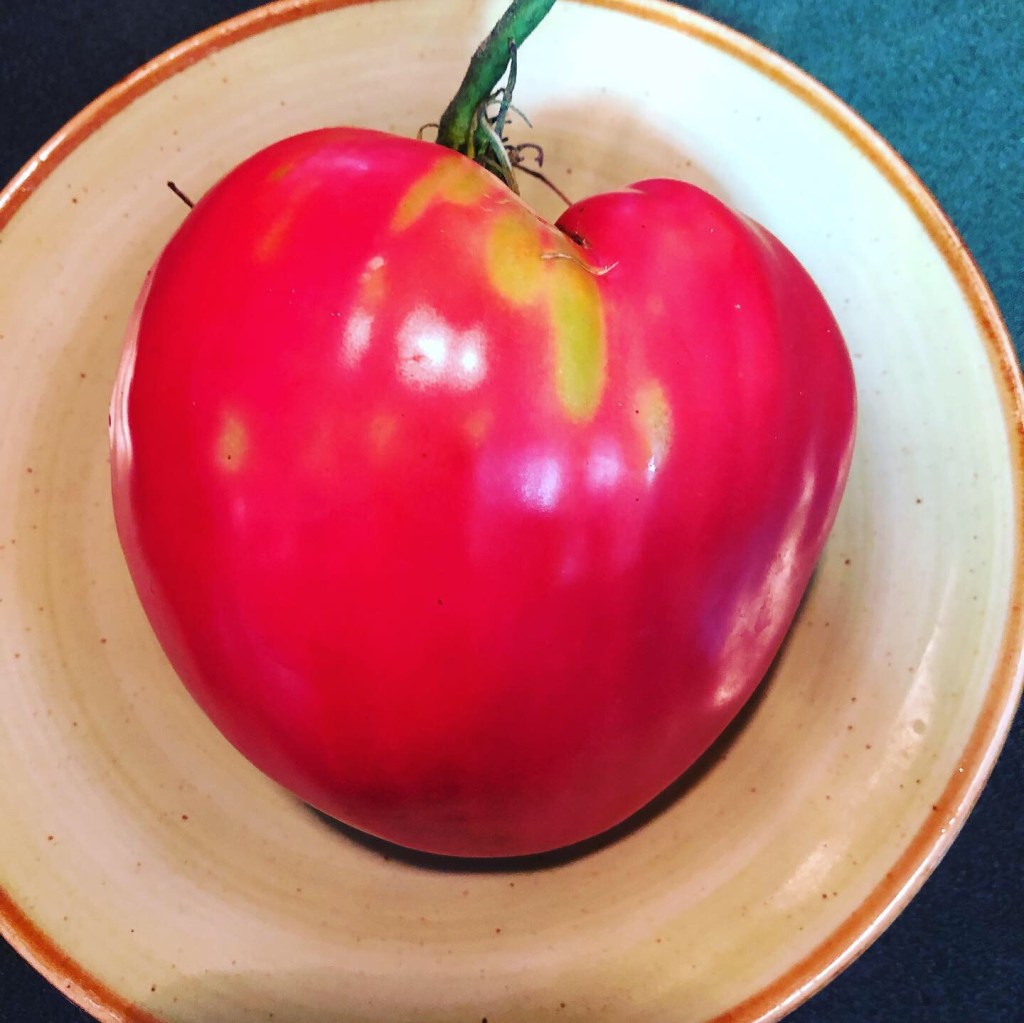
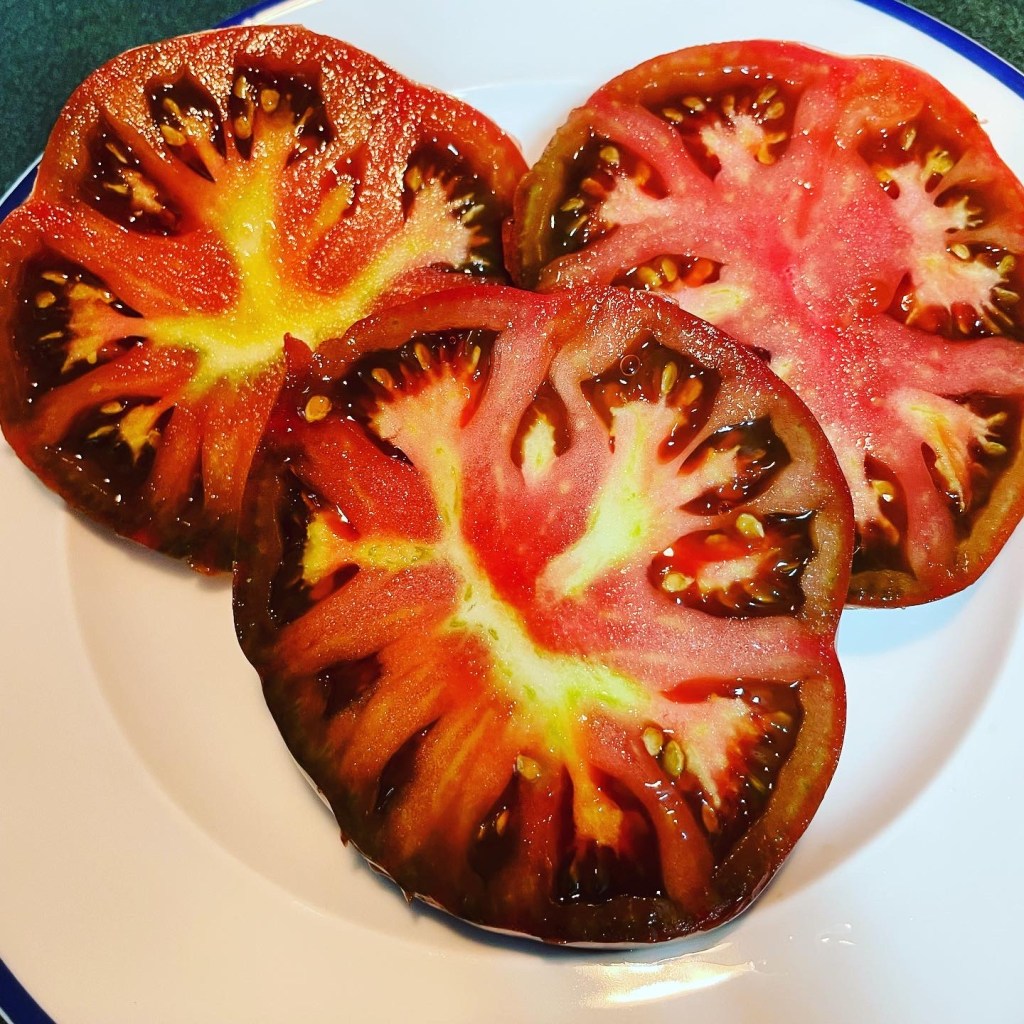
Cherokee starting to change colors.

It’s ironic that after I perfected my whole tomato growing process for years, I am adjusting it to a new routine of seeding and timings. That is the way of growing plants, learning plants, experiencing plants – it always, always changes each year. It seems for me anyhow. Experimenting can be part of the fun or part of the headaches too. This year, I’d like to save a bit of money. It is not too expensive to start seeds but keeping them growing as you pot up and such does require some good quality soil mix and tasks to monitor and water, etc.

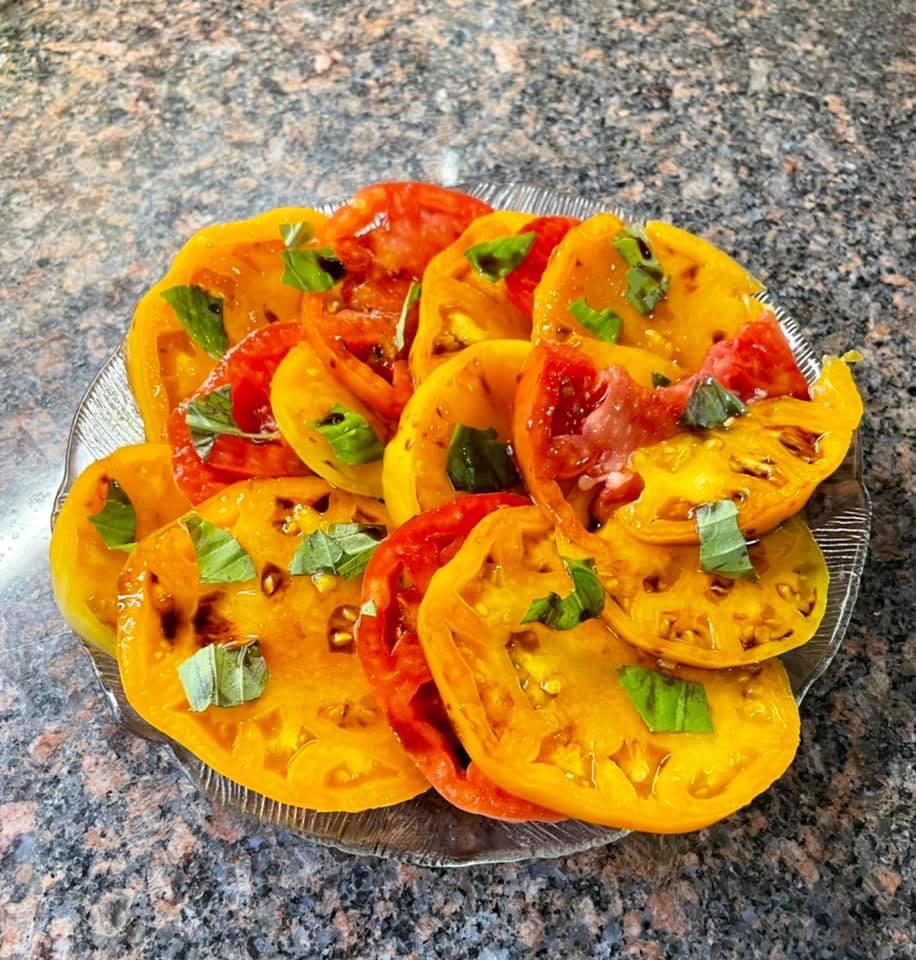
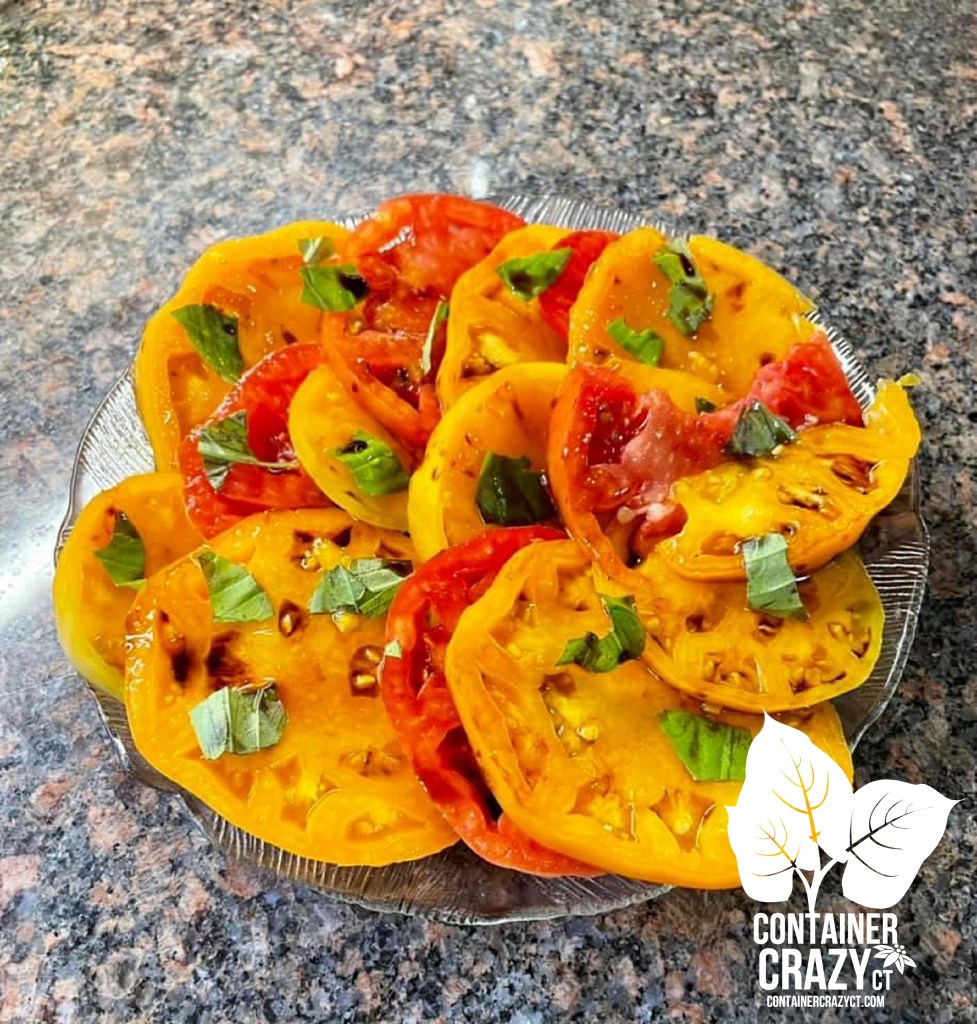
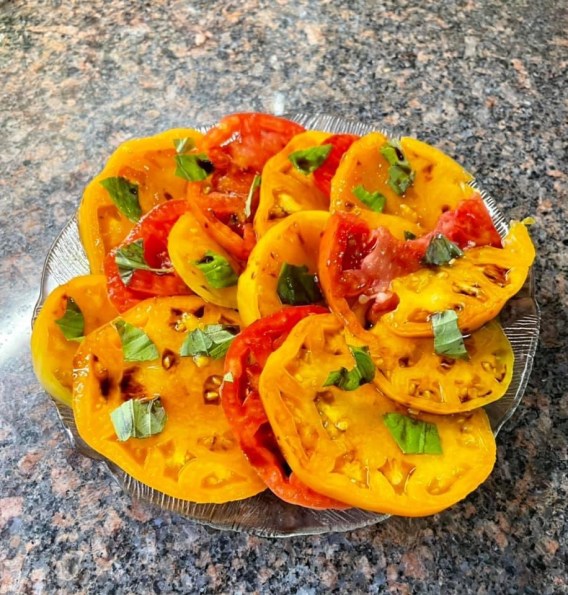
Yummy – This is the photo that will motivate me!

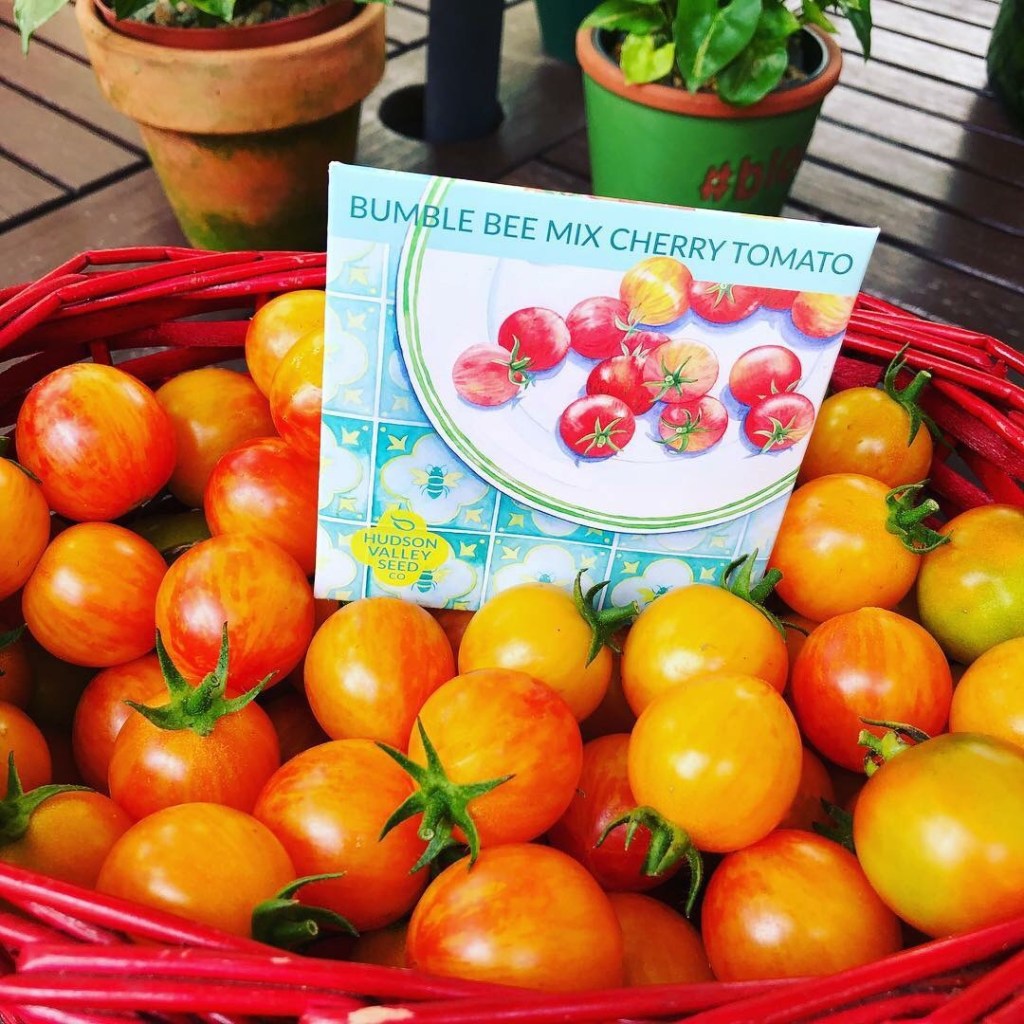
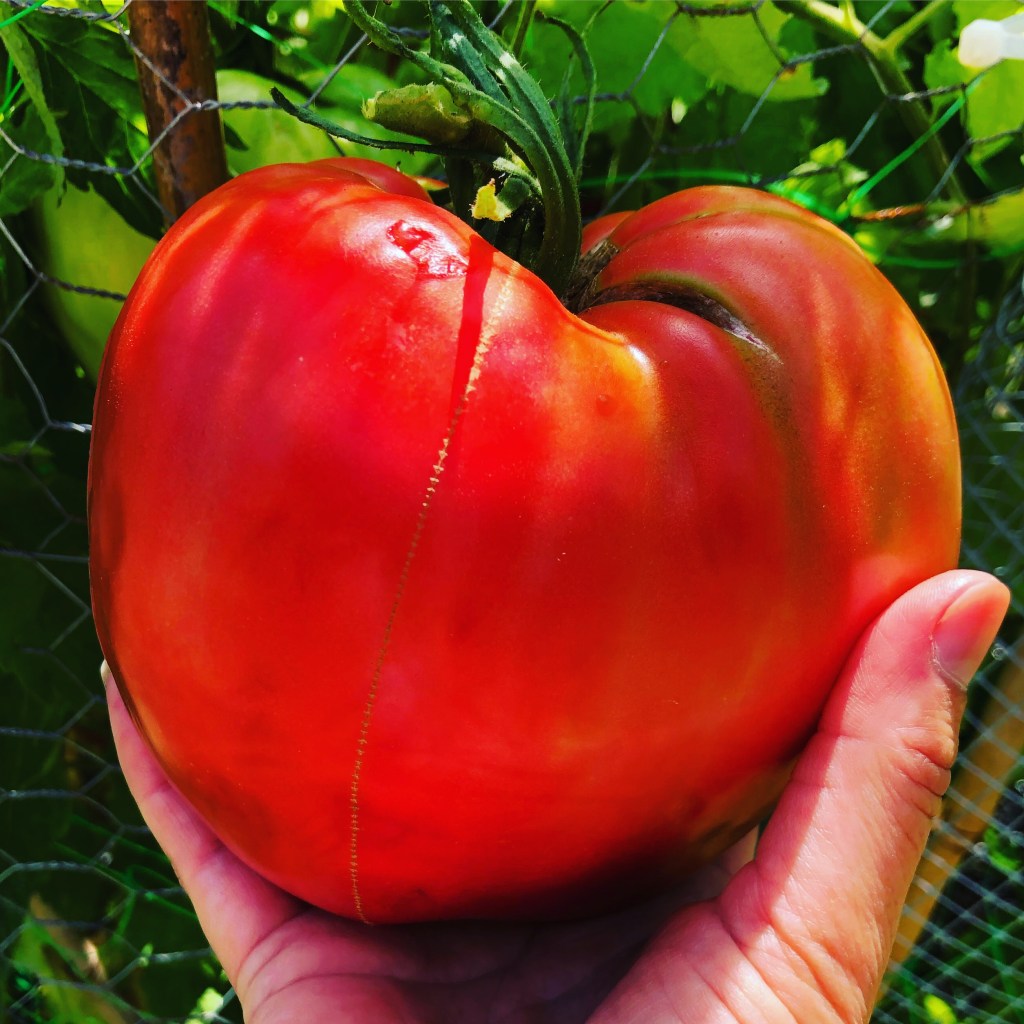
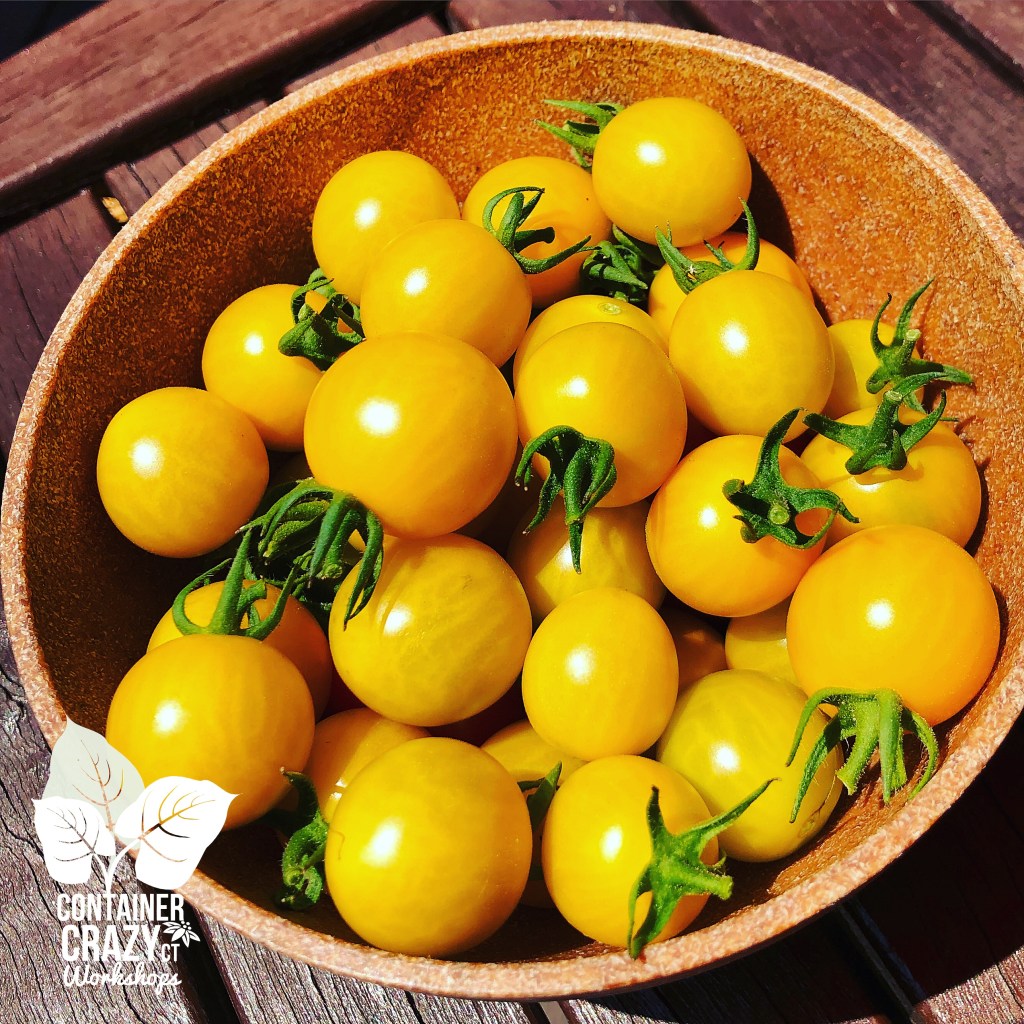
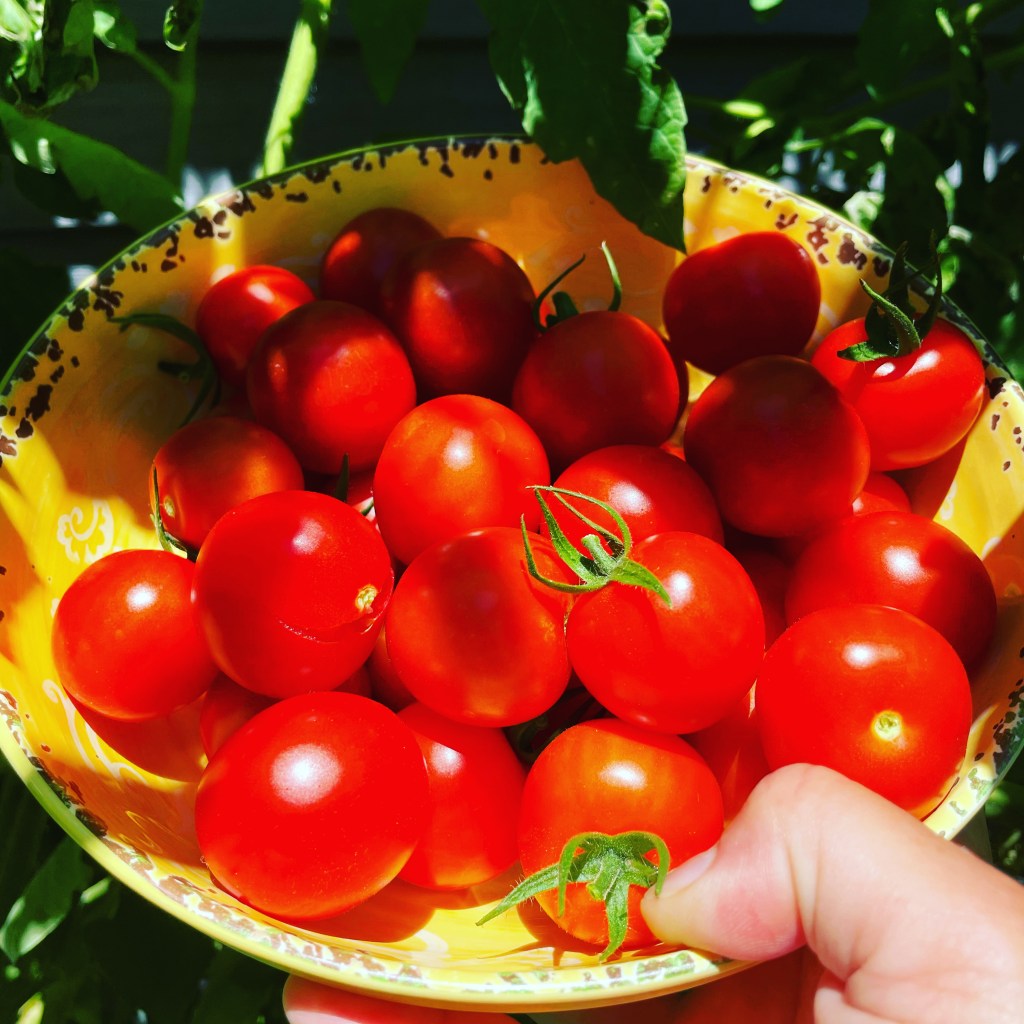
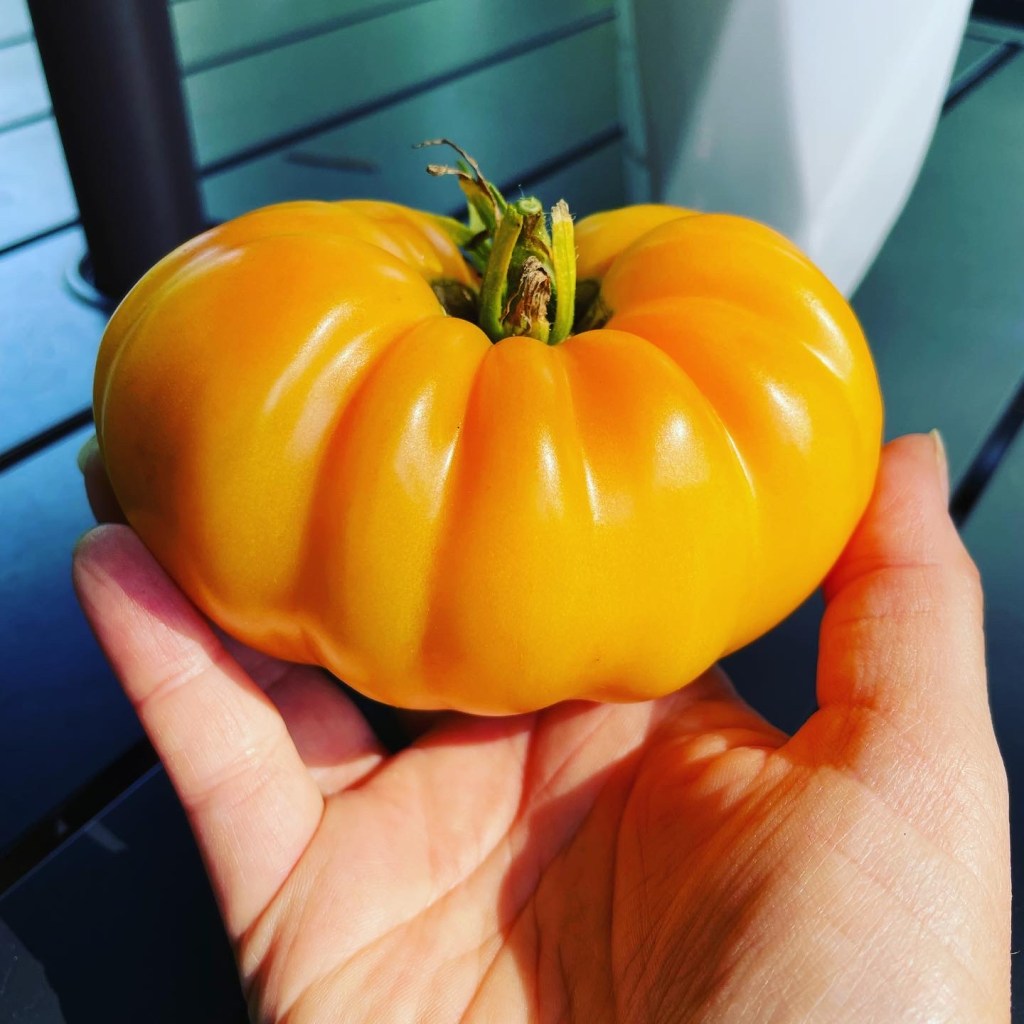
For years, I grew many heirlooms and other interesting tomato plants. Some of my favorites have been Oxheart Tomatoes (huge, 3 lbs), Goldie (heirloom so flavorful and pretty yellow), Cherokee Purple (self-explanatory!), Bumble Bee or Fox Cherry Tomatoes (prolific and delicious)! The list goes on.

The thing is Oxhearts may be started anywhere from 6-10 weeks before the expected (or estimated) spring last frost date, which I noted above, I go with May 12th each year. 10 weeks before the frost date is early March, but you can wait till 6 weeks before. Anyhow, probably what I will do is stick with the varieties I can start 4 to 6 weeks before the frost date. Some are Paul Robeson tomato, Honey Drop Cherry (another unbelievable sweet as honey cherry tomato), Mikado (heirloom). Or maybe I’ll be lazy this year, and just go buy some!

Sowing Seeds

Many people start their tomato seeds in early April (6-week mark). You sow and grow them and then once May 12th comes around, carefully watch the weather. They are not planted out until Memorial Day (safe in the ground or in pots usually). Also, May 12th happens to be Mother’s Day this year, so write on Mother’s Day that is your expected last spring frost date. Then look at your seed packet and see where it says how many weeks before the frost date to start the seed in seed trays. Each type of tomatoe is different for the “weeks before” to start them. If you start too early, the seedling plants may get too large, if you start too late, they won’t be ready to fruit in time in the summer. So just look at the packet on when to start sowing your seeds.

Goldie Tomato Above

Another thing – is cost of all the materials. From seed starting mixes to and mixes to pot the seedlings up to and all of that. I do have all the trays and plastic pots in stock but the mixes and such costs extra (rather than just buying some from a local nursery). However, I would miss out on the fun of growing them from seed and utilizing my greenhouse. So, the debate continues in my mind for now.

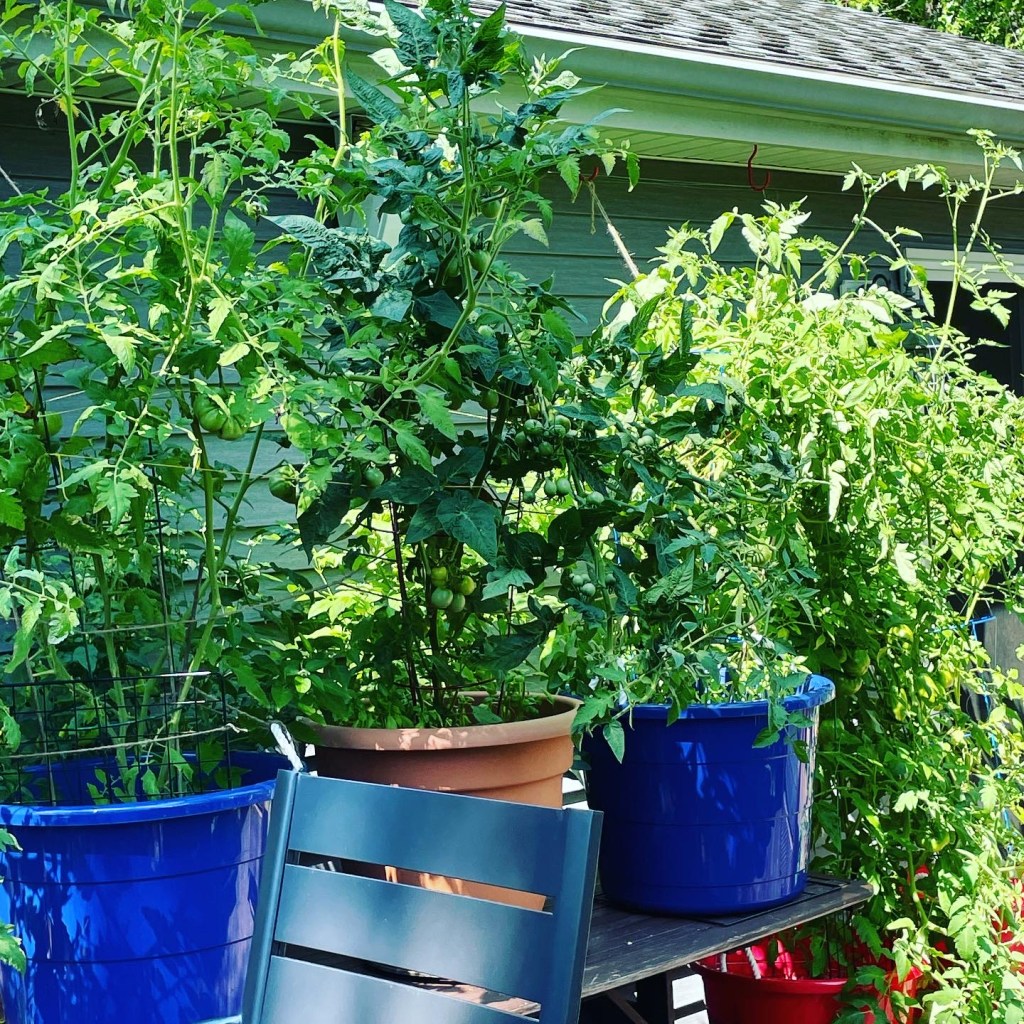
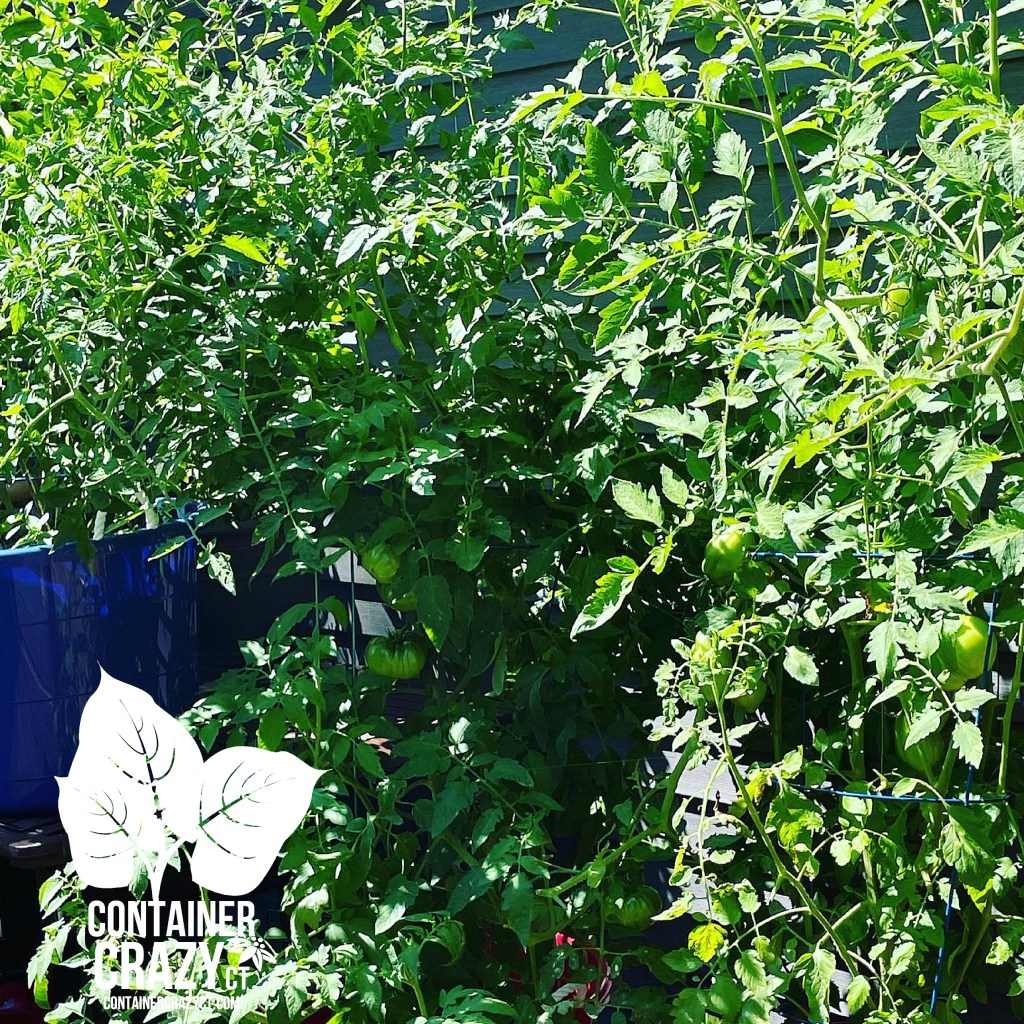
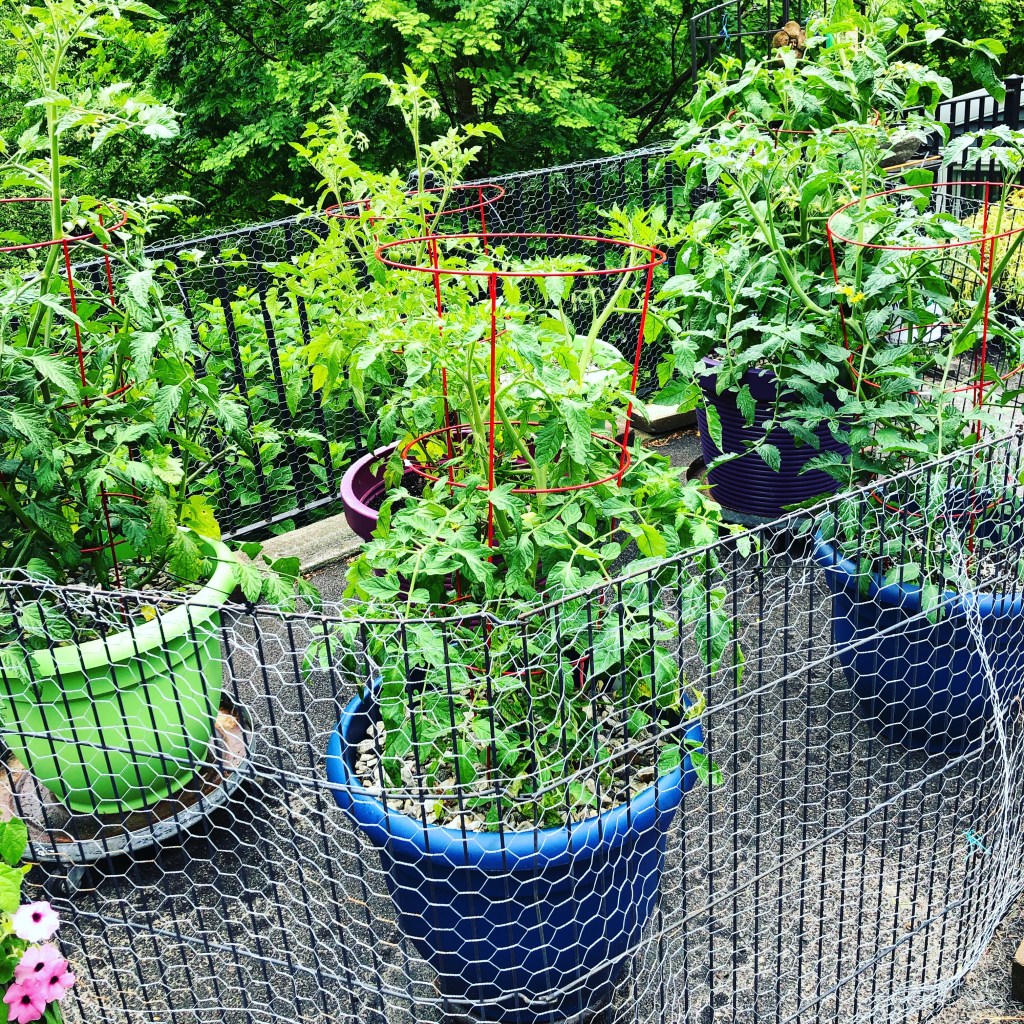
My tomato jungle

I also like to grow basil. Basil is started two to four weeks before my last spring frost date. Basil is kind of a must if you are growing tomatoes! But they do need warmth and do not like cold temps, thus the greenhouse heating thing again comes up. And of course, it should be warmer two to four weeks before our frost date, mid-April ish. Decisions Decisions.

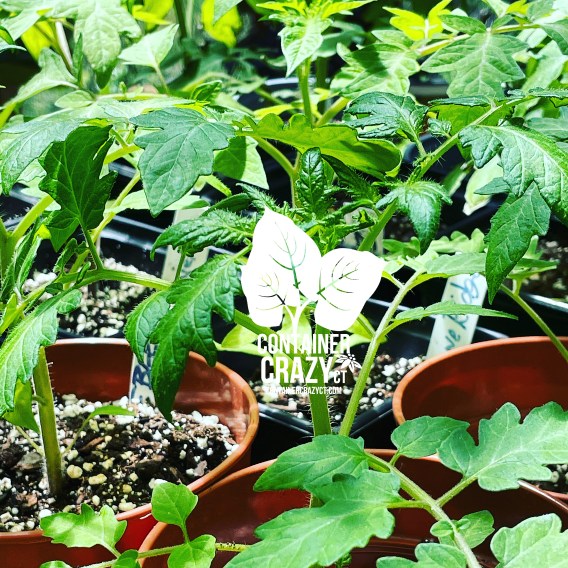
Baby Seedlings

One of the things that usually drives my decision is looking at all the wonderful tomato photos which are already starting up in Facebook feeds – oh gosh, a homegrown yummy tomato is the BEST! I actually can’t eat tomatoes as much due to a health issue – seems my body is not liking them as much (acidity). Maybe I ate too many but my husband, Steve, loves tomatoes, so if anything, I grow them for him and also because I love plants all around on my deck, including creating a tomato jungle. And I love making sauces or apps with tomatoes.

Well, there is still time to ponder all – but it is not a bad time to look at the calendar and my planning charts to remind me of timing. I just wrote down May 12th on my calendar to remind me that is my last spring frost date estimate, and I also counted back to 6-8 weeks before to make a notation to start seeds if I decide to do so. At a minimum, I have glanced over all and now may ponder this some more.

Have a nice weekend,

Cathy Testa
Container Crazy CT Blog
Broad Brook/East Windsor, CT
Zone 6b

Date of this post: 1/26/2024

Self-Watering Pots Rock on a High Rise

Leave a comment

Self-watering pots, those with a reservoir area at the base of the pot to hold water for the roots, were not high on my list in regard to usefulness. I had tried them at home on my deck outside and I found that I didn’t like them for several reasons, such as, they tend to get overwatered when it rains and stay in a flooded state (unless you use the drain plug to release the overload of water), they don’t allow air to circulate well when waterlogged, and things like that. In fact, several years ago, I actually wrote a post about how I just didn’t like self-watering pots. I felt they were not good for plants! See that prior post below:

Post above from 2015. Wow, times have changed.

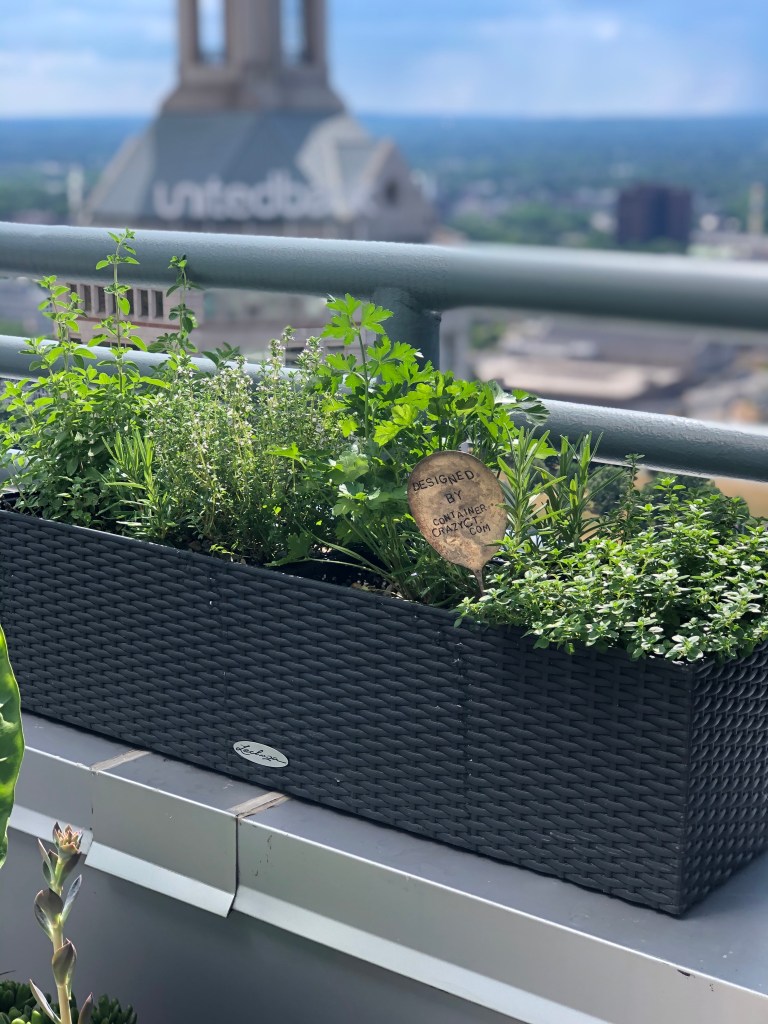
Boy, did I change my mind when I experienced using self-watering pots on a high-rise balcony. On the high-rise balcony, which I tended to for five years for clients’ plants in various pots and some self-watering pots, the environment is so different, I guess you could say, the environment has big weather extremes. And because one of those extremes is intense heat and strong sun, the self-watering pots (they were actually long planter boxes) did not stay flooded after a rain fall for long. The sun and heat dried them out much faster than self-watering pots I used at my home at ground level or on my deck.

A big environmental or climate consideration on a high-rise balcony for the plants was the extreme heat and full-on sun (as I refer to it – sun that is full on and intense). On some days, in the middle of fall, or even winter, it was like being on the beach up there on a balcony so high up if the sun was out. On hot summer days, I would have to make sure I worked on the balcony during the period of day when the sun passed by and there was shade from the buildings so I wouldn’t roast, but that was not often doable. Let’s just say, it gets very hot at times, almost unbearable, so plants which tolerate drought and heat were critical as well. To clarify, this was 38 floors up on the top of a building in a city exposed to all elements from sun, wind, etc.

Because of the environmental extremes such as sun (and wind), trying to keep the soil moist for the plants was more of a job for my clients. They would have to carry water out from inside their penthouse. By hand, with buckets! There was no outside water source, so my big fear was will they water enough? And they did fortunately. Otherwise, the plants would be toast from the extreme sun and heat.

However, with self-watering pots, some of that was solved. My clients actually had two long planters that were self-watering pots before I came onto the scene. When they pointed them out to me, I didn’t say much because I always felt those planters were problematic (as noted above in my prior post from many years ago), and I believed in watering plants in pots yourself. But I was the fool in this case, because I learned quickly, those self-watering planters were winners on a high-rise. So, for those who may be doing some urban gardening, take a look at self-watering pots. They may be very helpful to use if you have plants that require moisture and also if you have intense sun (and wind) on your open balcony up high.

Let me explain why. If the rain fall was abundant, the fact that the sun was so strong and hot after at times, the soil would dry out. The water would not stay in there and flood the planters, like they did at my home after a rain fall. It would be the same exact weather at my house and theirs but due to being up so high, the planter would not stay waterlogged. Waterlogged soil will rot the roots or kill them. It was working out, especially for herbs. Herbs can take dry soils usually, but they do need moisture at times. I started to fall in love with their long self-watering planters.

I learned lots of lessons by working on a high-rise thru experience. I also have knowledge on plants and which were tolerant of conditions, drought tolerant, loved heat and full sun, but I still had lots to learn and plants to test out. In the case of self-watering pots, I discovered that they rock on a high-rise balcony.

The self-watering planters did need to be stored for the winter, however, which I offered as part of my services. I would wash them well, store them and return them in the spring with fresh soil and fertilizer. It was working out and they still have those planters today – those were a very good idea, and an excellent investment.

Pots and planters have special considerations on a high-rise which is another thing I will write about, and I had to find solutions. I’m kind of an out-of-the box thinker – AT TIMES … so I got really creative when during the first year there, which I will write more about later. Weight for example is a big factor. Again, it is not like pots near the ground, there were weather considerations all the time.

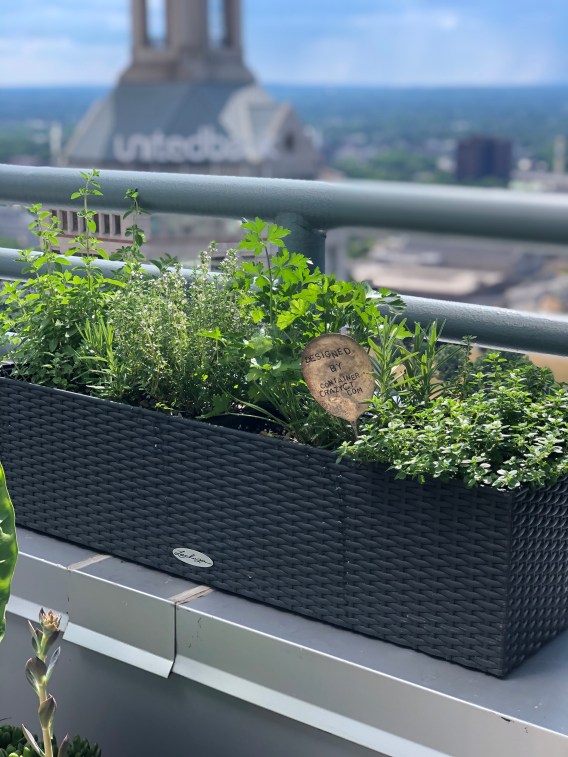
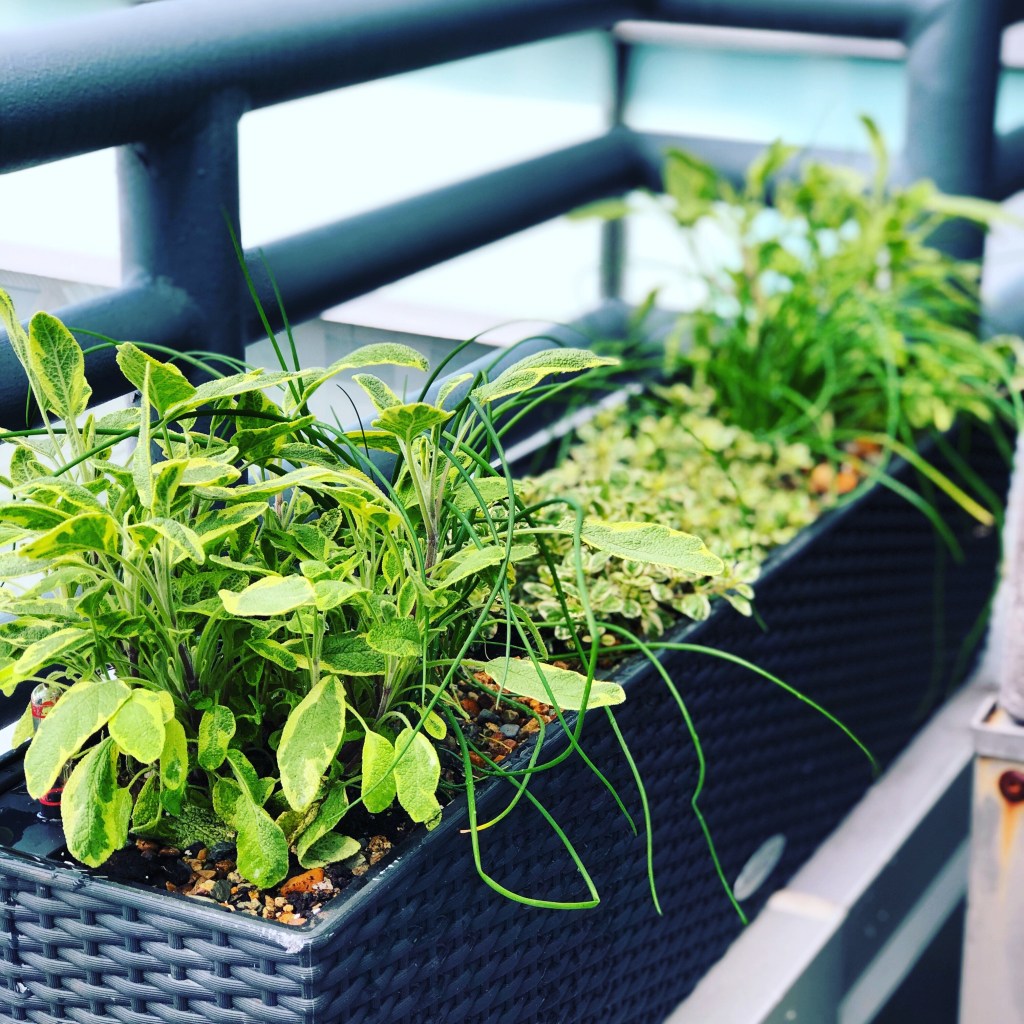
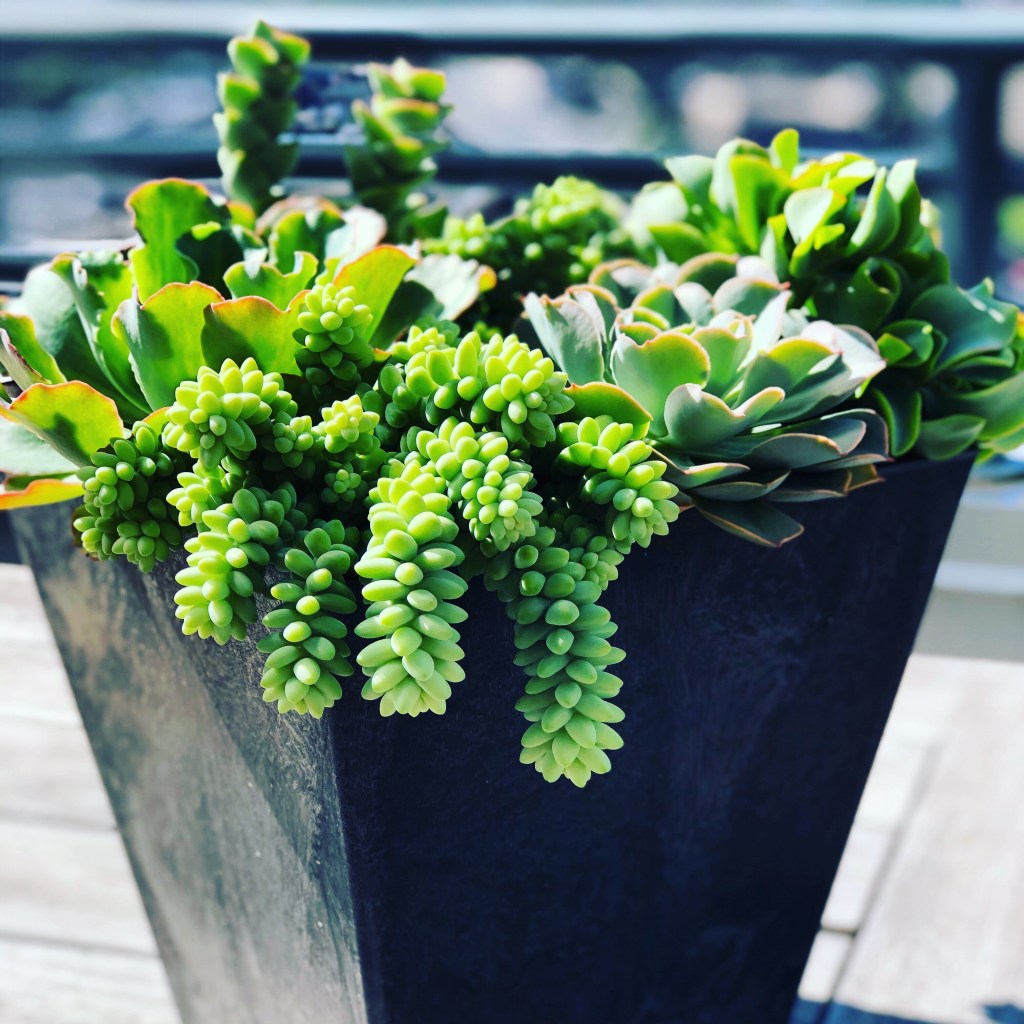
Plants that I felt did very well in their self-watering long planters were herbs. I did try smaller compact type of patio cherry tomato plants one year, but they kind of fell over from the winds, so that did not work where the long self-watering planters were positioned near the railing. However, herbs did very well in these. Some herbs in general can take dry soils – herbs like rosemary, for example. Later, I ended up acquiring some tabletop pots which were also self-watering and started to use them with succulents on their high rise as well. Those worked out well also. Succulents do not like soggy soils, so when it rained so much that it flooded the pots, it was fine because the sun and heat would dry them out fairly quickly. Or you can drain them if need be. It was just working out so much better than I would have thought.

A couple things I did was I added some small pea gravel in the base where the reservoir holds the water to weigh down the planters. As noted above, due to extreme winds on a high-rise, I was concerned the planter was not heavy enough. I also used standard potting mix with slow-release fertilizer. And sometimes, I top-dressed the top of the soil with either pea gravel, mulch, or moss, however, it was not really needed but I liked that “finished off” look to add some style to planters.

Here are some photos. I know I have more, but it takes a while to locate them. When I find them, I will add to the next post. I rather enjoyed taking them the planters to my greenhouse to clean for the winter and replant in the greenhouse to deliver in each spring. I felt they were kind of Zen. The herbs would grow three times the size at their balcony – I know I have photos of that but will have to share them when located! It always amazed me how much the plants grew when I would return for a fall change out. Balconies are wonderful places to have a full blow herb garden if you have enough sun, which this place did.

Self-Watering Long Planters with Various Herbs
Self-Watering Tabletop Planter with Succulents Above

Thank you for visiting,

Cathy Testa
Container Crazy CT
Blogger in East Windsor, CT

One more photo below!

Growing Pumpkins – Round Two

Leave a comment

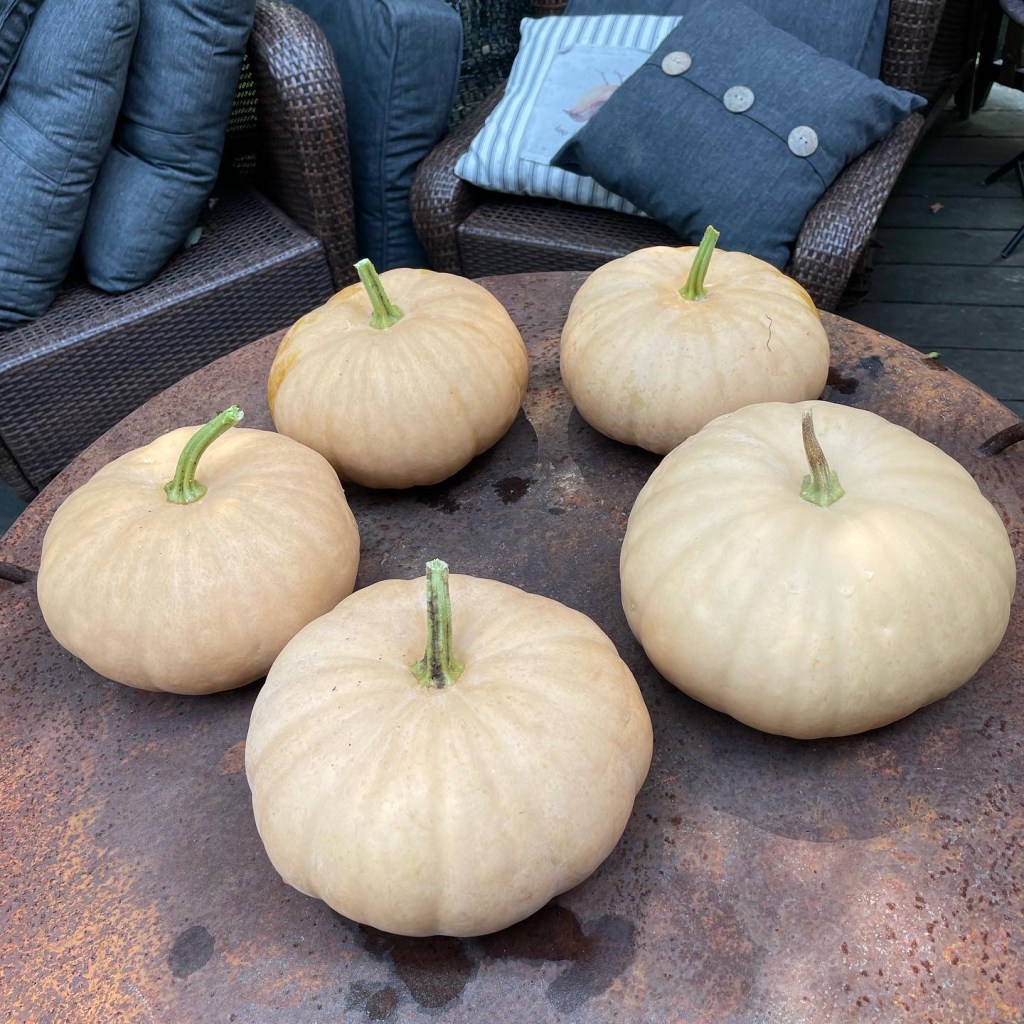
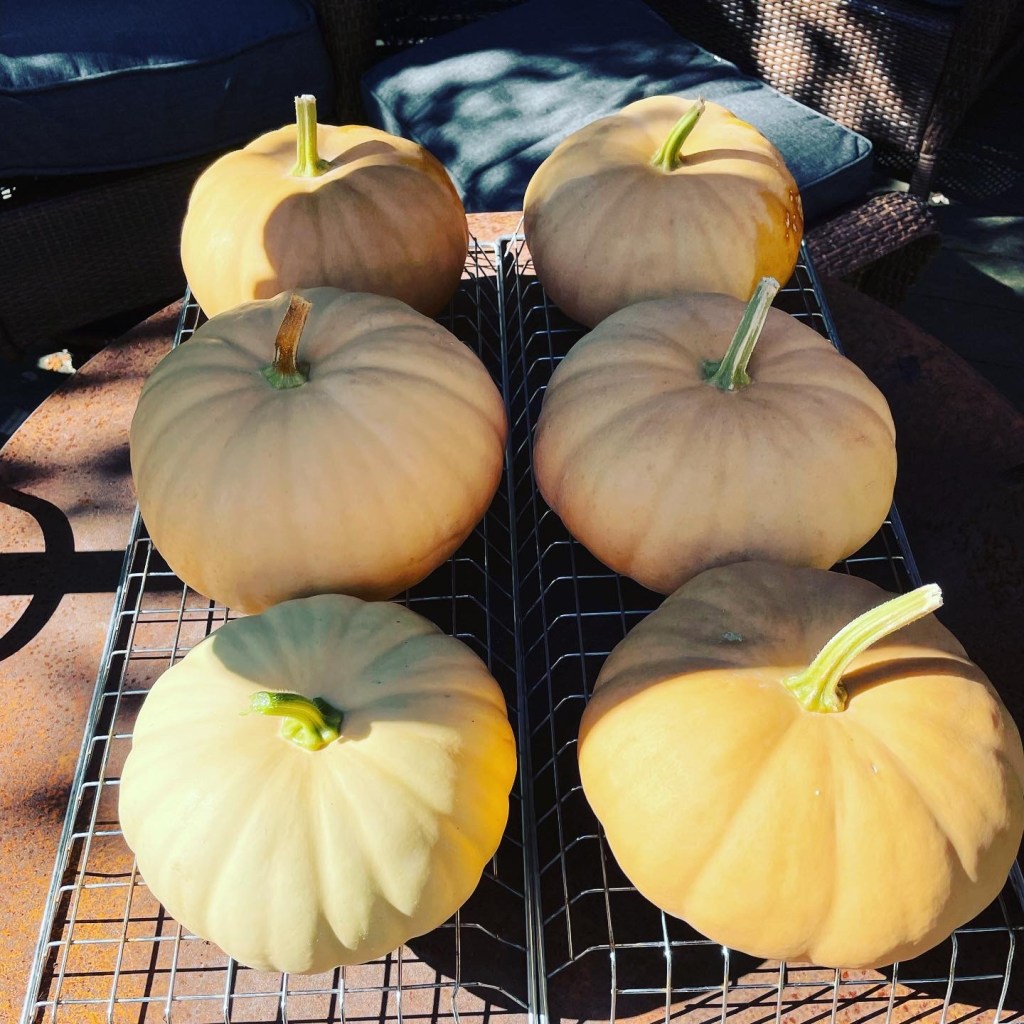
This is my 2nd year trying to grow some Long Island Cheese Pumpkins and I started them a bit too early again. They were ready by mid-August, and I’d prefer them to be ready by mid-September. Anyhow, they are just fine sitting on a table with no blemishes and curing for a week or two in the sun. I use them primarily to decorate for autumn but maybe I’ll get into growing more of them next year as a food source for winter soups and Thanksgiving pies!

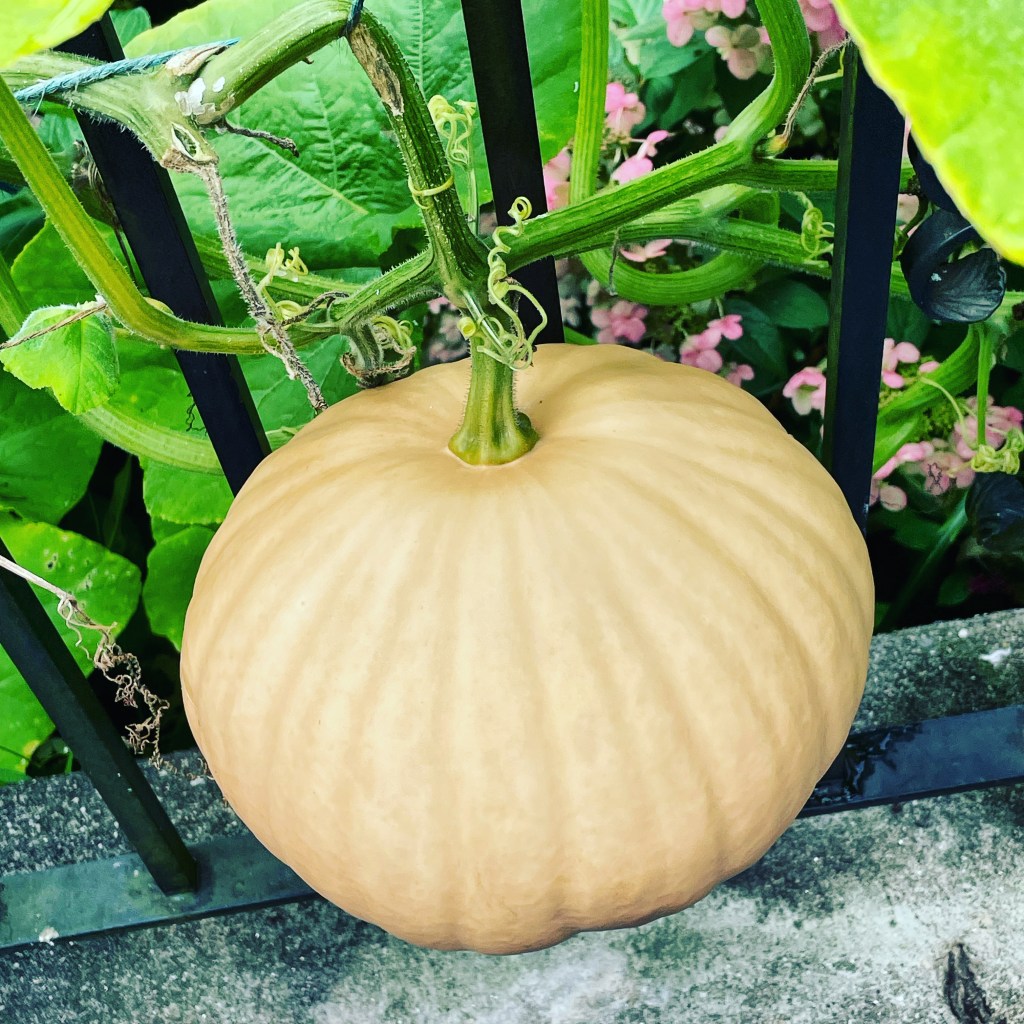
The Long Island Cheese Pumpkins resembles a wheel of cheese in shape and the color is very pale compared to ordinary orange pumpkins, but I like these for the shape. The seeds for these may be directly sown into a garden or large pot or started early indoors. I started these indoors in early to mid-May of this year, and last year, I had started them indoors in mid-April. It seems early May was still a tad bit too early. So, a new date is noted for 2024.

Because squash, which this pumpkin is technically a squash, grow really fast, they should not be started earlier than 3 weeks before spring frost. It takes about 98 days till they are ready. Anyhow, if they arrive earlier than your needs, just let them cure in the sun for a week or two. Cured squash will store all winter. They are pretty cool in that regard. And because they last a long time, they are perfect for the succulent topped pumpkins I usually make to display in the home thru Thanksgiving time.

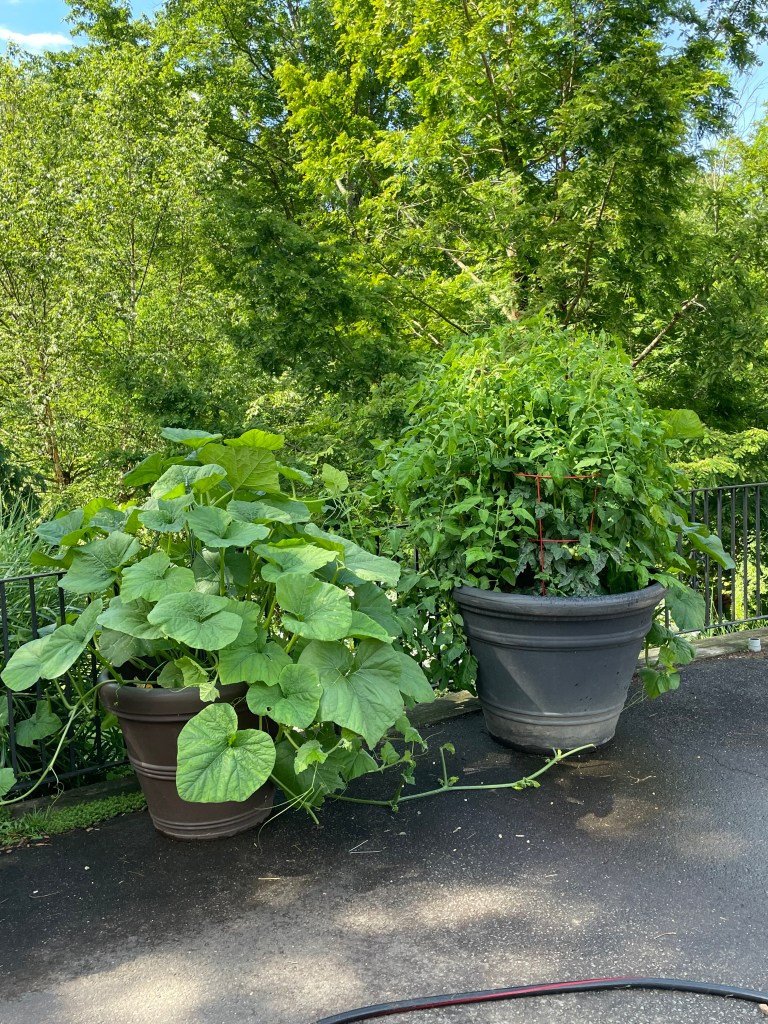
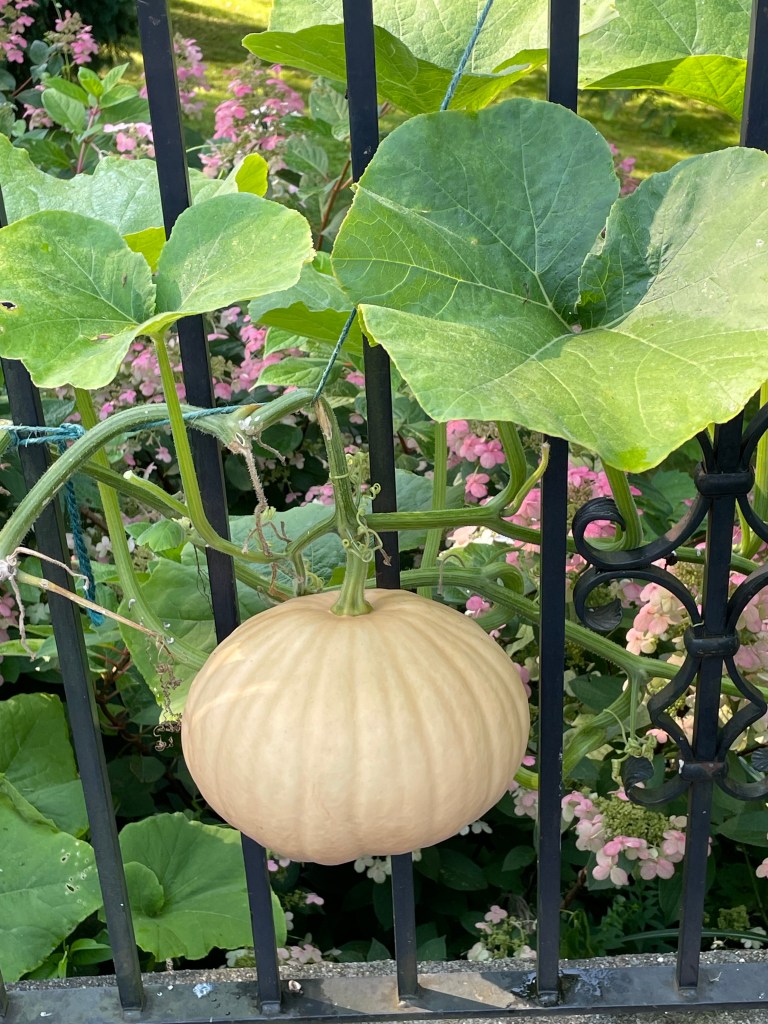
This year, I grew them in two places. One in a super big pot on my driveway and one in a large square planter on my deck. The one on the driveway worked out well because I take garden twine and help them run up the twine along a wrought iron fence. The tendrils quickly grasp on various places on the fencing, and they hang on. By having them on a twine like this, the pumpkins do not touch the ground so there is less chance of any rotting from sitting on a wet surface and no blemishes. Also, no animals messed with them. That could be because they were somewhat hidden by a background of other plants.

The one on my deck sprawled out on to the deck floor and then I let it hang over the edge of the deck. I got only one pumpkin on that one, but it was cool to see it hanging in the air, so I helped it stay put by using a hanger. Anyhow, the one on the driveway got 4 pumpkins. I’ve been just kind of experimenting and having fun with them. As I learn, maybe I’ll get into growing more next year.

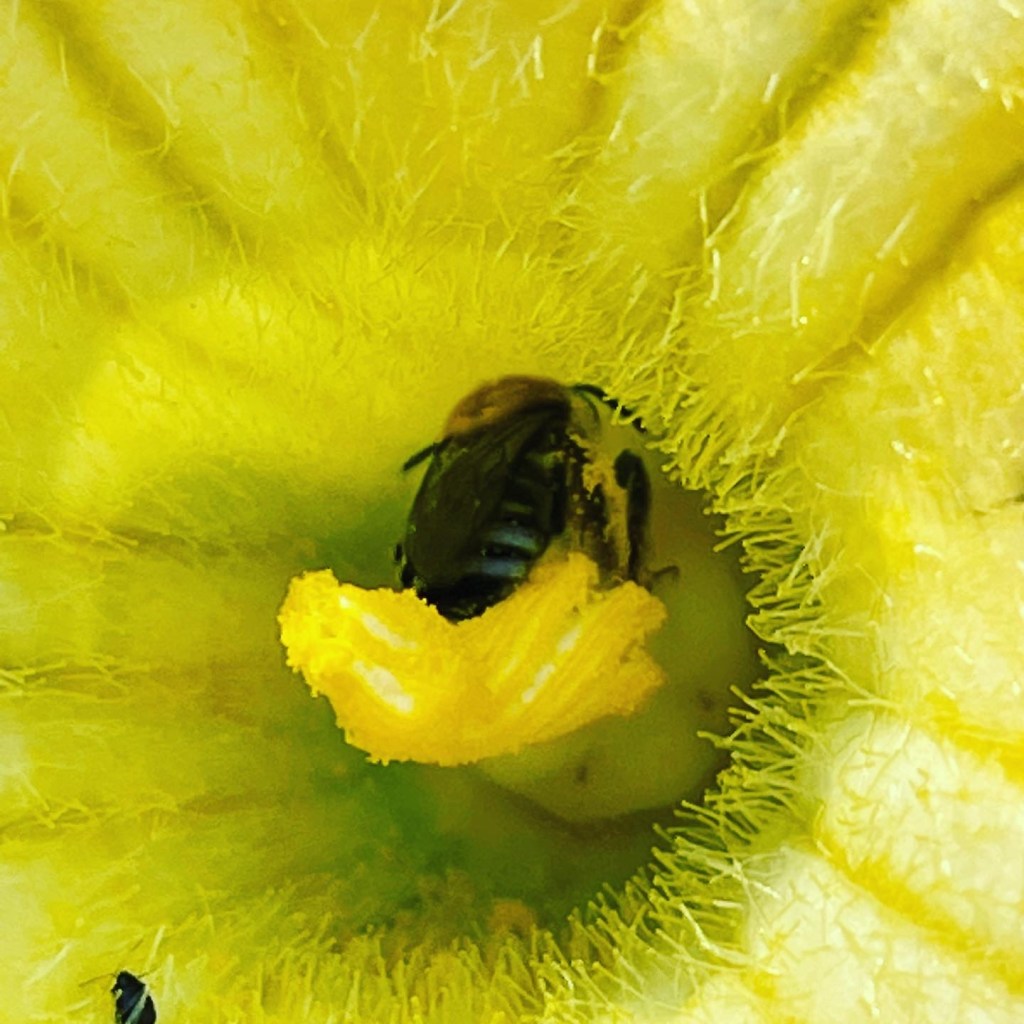
One of the nice benefits of pumpkins is their huge beautiful yellow flowers – which the bees absolutely adore. Some mornings, I’d find up to 4 bees in one flower buzzing away. If you want to help pollinators, plant some pumpkins!

Pumpkin on the left (tomato plant on the right)
Pumpkin hanging from deck above.
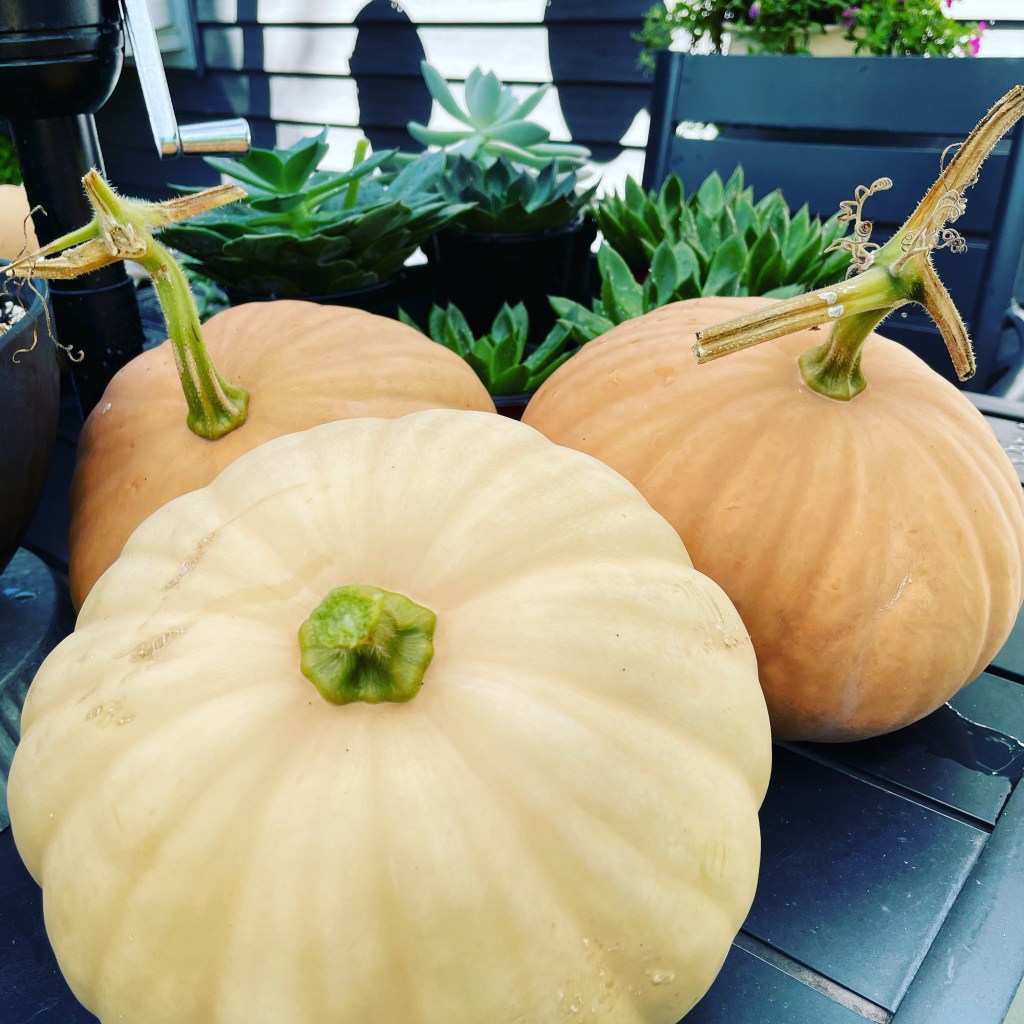
Sitting on a table to cure for a couple weeks.

You can see the color difference in the last photo above. I kind of determined when to pick them by the firmness of the rind and also looking at the stem, but I was somewhat guessing too. Plus, the plants started to look a little worn, so I figured it was time to cut them loose around mid-August.

I watered the plants regularly with generous amounts of water, but I did not fertilize except one time with a liquid feed. The soil had compost in it in the pots. The plants prefer full to nearly full sun, and the one on the deck didn’t get as much sun as the one on the driveway. Oh I said the animals didn’t bother the pumpkins, but some of the leaves got munch off once, maybe by a brave rabbit. Brave because my cat is an excellent rabbit hunter.

I plan to do more research on pumpkins because for some reason I’m interested in them! Maybe because it seems they don’t get bothered much if provided a safe place to grow. Wish me luck for next year – I hope to have more harvested.

Have a good weekend,

Cathy Testa
Broad Brook, CT

First Time Growing Pumpkins from Seed

5 Comments

When I was a kid, my dad lined up 5 jumbo sized pumpkins he grew himself on our driveway in front of our garage. Me and my siblings gathered around to pick our choice and stand behind them while my dad (or maybe it was my mom) took a photo. It is one of my favorite photos from my childhood when it comes to pumpkins and a vivid memory.

Last year, I tried growing some pumpkins of my own on a very small scale compared to my dad. He grew his pumpkins in a one-acre garden also filled with tomato plants and other vegetables. As children, we never lacked fresh vegetables. They were always abundant in the summertime. I can imagine for my dad it was not only a hobby but a necessity with five kids to feed plus one other sibling who came a little later than the rest of us!

Anyhow, I decided to try growing some pumpkins in a large pot at home and put some of the seedlings in a friend’s plot at a community garden. It was neat to compare how each growing scenario did. The one in the large patio pot grew just fine, but it did not produce as many pumpkins as the one grown in the ground at the community garden.

The type of pumpkin seed I chose is called Long Island Cheese Pumpkin (Curcurbita moschata) because of its shape. It looks like a small Cinderella pumpkin or a cheese wheel. It is edible as well, but I wanted to grow them to use for my succulent topped pumpkin centerpieces I make in the autumn season.

You may direct sow the seeds of this pumpkin into your garden or start them under protections up to 3 weeks before frost. I did neither of those. I sowed them indoors, in my greenhouse about three weeks before frost. Then transplanted them in my big patio pot near the end of May. The pumpkin fruits were ready a little too early for my needs (as noted I used to create autumn centerpieces) so I made a mental note to start them later this year in 2023.

Pumpkin seeds germinate easily (usually within five to seven days), and the seedlings will grow quickly. Also, the seeds are larger, thus pumpkin seeds are a great choice to sow with kids. Their smaller hands are able to handle the seeds easily, the sprouts will pop up quicky, which is great for kids. They will feel the reward of sowing seeds within days. Bear in mind however, the little plant will grow fast, and you will need to transplant it before it gets unruly. Also, because the seed is larger (than say tomato or pepper seeds), you may direct sow the seeds into a small starter pot (versus into a seedling cell tray). Small nursery pots or even a terracotta pot or something the size of a soup can is a good size pot for kids too. See my photos below of the seedlings I started in small black nursery pots (probably about the 3-4″ diameter size pot) and I put only one seed per pot.

Pumpkin plants may be grown in large pots (about the size of a half-barrel), but just be sure to give the vines plenty of space to sprawl. I placed my pumpkin pot by a fence which runs along my driveway, and I guided the vines onto the fence as it grew longer. It was growing along beautifully, and pumpkins started to appear after the flowers, but the leaves developed the problematic powdery mildew later in the summer on the leaves. Powdery mildew looks just like powder on the leaves but be aware there is a natural patten to the leaves along the leaf veins of this pumpkin which may confuse you. The powdery mildew usually grows on the whole leaf or in big patches, whereas the natural pattern on the leaves is along the veins. See the photos after this post to see what I mean about the patterns.

The plants in my friend’s community garden did not experience any major pest or disease problems, other than the pumpkins had blemishes on one side because one side stayed rested on the ground. Those grown in my large pot were hanging from the vines on the fence due to my trellising them, so they did not have blemishes on the rind. And the pumpkins did not need extra support as they hung from the vines on my potted pumpkin plant. They seemed to hang there just fine.

This type of pumpkin is technically a squash, and it may be cured and stored all winter, but I did not cure or store them because I was using them for my centerpieces. But I did put them outdoors on a table for a while which is part of the curing process because I was waiting to decorate them. They did not rot which is great. These cheese pumpkins have hard rinds which were of benefit to me for my uses because of how I use them to create with succulents and floral design items. And the shape is a desired shape I like to create with the plants, so they are just perfect for my needs in that regard.

The seed packet indicates they are ready in 98 days (approximately 3 months), thus this season, I will actually count backwards from this timing to make sure I have them at the right time for my centerpiece purposes. I started them a bit too early last year in 2022. I will wait to start the seeds a few weeks later than last year and will have to work out my timing on my calendar. It is also important to note that pumpkin seeds do not “require” being started indoors early as is done with tomato seeds. They may be direct sown into your garden, but I prefer to enjoy starting seeds indoors, so I do so.

When you plan to plant the started seedling plants outdoors, be sure to wait a little while after spring frost has passed. Because squash and pumpkins are warm-season plants, they are frost tender and while frost may not kill them, they will be damaged by shock if exposed to frost. And again, because these pumpkins grow very quickly, there is no rush, they will move fast and keep you moving as you witness their vines grow for miles (well, not literally miles, but they grow long for sure).

If planted in a patio pot (make sure it is a large pot with drainage holes), be sure to locate it where the vines won’t be in the way. If in the garden, be sure to keep rain or collected moisture away from the plants (i.e., should plant on a slope) and or perhaps check them to rotate the pumpkins so the rind won’t be damaged from laying on the ground as they develop and grow larger. Also, full sun sites are best for pumpkins, as is for most warm-season vegetables.

In regard to transplanting the pumpkin seedlings into a large container or patio pot, I used good quality potting soil and mixed in slow-release fertilizer. I also situated the pot where I knew it would be out of the way, easy to water with my garden hose, and along a fence so I could lift the vines up and trellis them. I used twine to guide the vines, but the plant also produces tendrils which naturally clung around the wrought iron fence areas. I probably added compost to the soil as well. With very little attention, the plant grew well and quickly. I would see bees visiting the flowers often and took many photos of them in the mornings. The large yellow flowers are pretty too.

Squash or pumpkin seeds generally last 4 years if stored appropriately (cool, dark, dry locations). I have packets from last season, so they are good still (i.e., viable) and I plan to test out the growing process of these Long Island Cheese Pumpkins again this season. Things I will change are a) timing of starting seeds; sow later this year by a week or two so the fruit is not ready too early for my needs, b) grow more of them in large pots; do 2-3 pots this year along my fence, c) grow some pumpkin seedlings for my friend’s community garden if they would like some again, and c) cure them since I plan to have more this year.

Thanks for visiting and Happy St. Patty’s Day!

Date of Post: March 17th, 2023

Author of Post: Cathy Testa of Container Crazy CT

Photos Below:

Natural pattern on the leaf veins in this photo above
Note: One seed per pot shown above. See the seed leaves before the true leaves appear.
Note the pumpkin on the top right has some blemishes and a bit of what looks like rot forming (from the community garden).
Me at my Friend’s Community Garden, the pumpkin plants are in there!
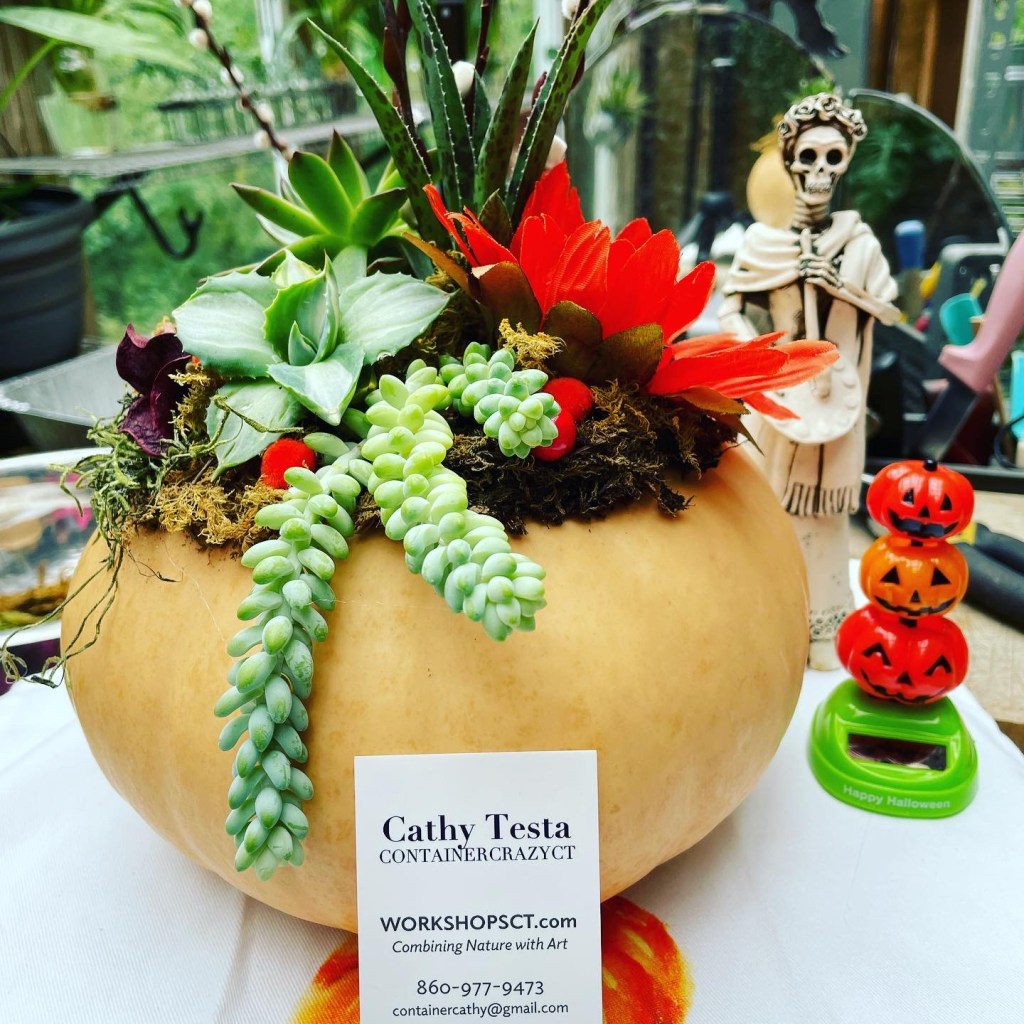
Succulent Topped Pumpkin Creation by Cathy Testa (photo above).

Last Spring Frost Date 2023

Leave a comment

Every year, I use the date of May 12th as my estimated last spring frost date. My tomato plants and hot pepper plants cannot be planted outside before this estimated frost date. If I planted my new starter plants outside before the estimated frost date, I’d risk losing them. Frost will kill them. In addition to this timing, usually the soil is not warm enough outside either; so, there is a period of time to acclimate your plants outdoors before you actually plant them in the ground.

There are many resources on the web where you can search for what the spring frost date is in your area. Some of the sites provide the ability to just enter your zip code to see where it falls. For example, try this site provided by almanac.com. When I enter my zip code, a date of April 27 is produced as my last spring frost date.

April 27th is too early for me. Based on years of growing tomato and hot pepper plants from seed, I feel this date is far too risky. May 12th is a safer date, and this is the date I use to count backwards on my calendar to determine when to sow my seeds. See my prior posts on that. So I use that last spring frost date to count backyards for sowing seeds, but also my estimate as to when I might be able to put my starter plants grown from seed outdoors to acclimate them after the frost has definitely passed.

In addition to frost, tomato and hot pepper plants like warmth. While the last spring frost may have passed, the ground is still cold and not completely warmed up outside. So, planting the starter tomato plants waits a bit longer – till end of May (Memorial Day). Following this timing has worked out for me over the years.

What typically happens is we may get a early warm up. It will feel fantastic outdoors and your soul and body will feel as though it is time to plant. But I caution you to be aware, things always change quickly. I am always amazed at how fast Mother Nature changes her mind.

Not only does Mother Nature change her moods, but she also has the amazing ability to provide a new twist on the weather and climate. For example, I think this past winter has been a mostly a windy winter with no snow! We’ve had no snow until one day this week in March. Before that, there were days that felt like spring! My husband is amazed he has not plowed the driveway once this entire winter of 2023.

Last year, it was a drought year during the summer months of 2022. That was not helpful to my container gardens during the summer when my tomatoes and other plants were outdoors growing fully. Anyhow, my point is, only Mother Nature truly knows when the last spring frost date will be, and I swear, last year, I don’t recall experiencing a hard frost in the spring. I usually write it down on my wall calendar when it actually occurs to track information. Climate change, Mother Nature’s closest cousin, throws in his own blend of ideas on how to mess with our planning and tracking. You get the idea. Climate change has been changing some of our past gardening routines and timing.

The key thing is if you get anxious, to remember to watch your local weather stations during late April to early May, and they usually will give you a heads-up if a hard or light spring frost is coming. And if you decided to tempt fate and put your plants out into a garden before frost and a later frost happens, you could protect your seedlings perhaps by using an appropriate method to cover the plants. This may be okay for plants not so affected by frost and cold, but I find tomatoes really should be put out when we are sure it is warm enough outdoors and after the estimated frost date. Exposing them to frost situations will only cause your plant to start off wrong. Frost will kill the plants that need warmth the most, like tomatoes and pepper plants, as well as any tender non-hardy plants.

Between May 12th, which again is my personal estimated spring frost date, to the end of May, this is the time period where I harden off my tomato starter plants outdoors. It gives you a couple weeks to expose them to the outdoor elements gradually. The starter plants are put outdoors on a table to be exposed to the outdoor elements each day and taken back in. If you decide you want to start moving them into their permanent container gardens, patio pots, and anything other than a garden in the ground, I suppose you could move the pot into your garage if a frost arrives, but I don’t recommend planting them outdoors earlier than Memorial Day (end of May). It just gets the plants cold and stressed.

With all of this said, I’m referring to my location in Broad Brook, CT which is Zone 6b. You may live in a part of Connecticut that is warmer, or perhaps you have some unique setup or micro-climate. When you look at sites providing frost date information, they explain in detail the calculated risks of frost dates and all the factors around these estimates.

I know when I first tried to determine my last spring frost date information, it drove me crazy. There were so many variations, it is truly frustrating. If you are new to gardening, ask your nursery person or neighbor who’s a gardener what date they may use as their estimated guide for their last spring frost date. I’m sure you will get various responses on that. But always be aware, plants have different needs. Not all vegetable plants are equal. Some vegetables may be exposed to cooler temperatures, so if you ask, be sure to ask for the type of plant you want to transplant into your gardens or container gardens and patio pots.

As I have noted, hardening off is required for indoor grown seedling plants. They must be moved outdoors to get them acclimated. You must protect them from harsh sun, gusty winds, and cool temperatures. Usually, you start by putting them in a shady location and move them more each day for a few hours to sun.

This is my date list of how it goes for me:

May 12th – My Estimated Spring Frost Date; Watch the tv news around this timeframe, see if they announce it then or before.

May 15 – May 26 – Harden off the Starter Plants outdoors for a few hours every day.
May 22 week – People pick up starter plants from me and harden them off at home (or they secretly plant them early because they feel it is safe for them! LOL).

May 29 – Start planting all outdoors in pots and in the ground and enjoy watching them grow till they produce fruit in the summer! May 29th is the date for 2023 Memorial Day.

Have a good day,

Cathy Testa
Broad Brook, CT
Container Crazy CT

Green Zebra Tomato – Toss them with Cilantro for an Amazing Treat

Leave a comment

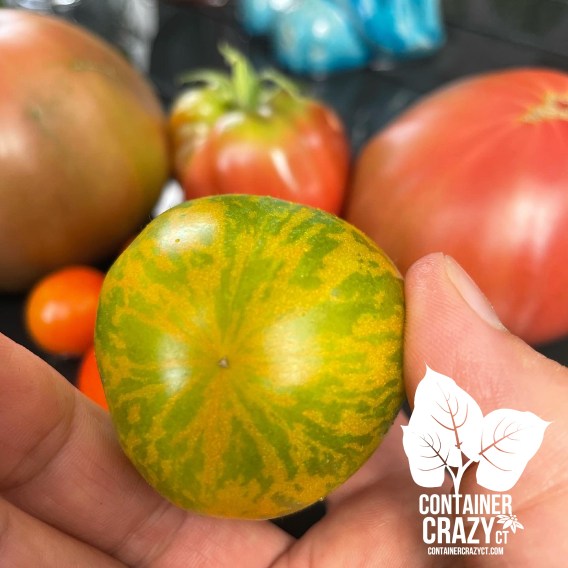
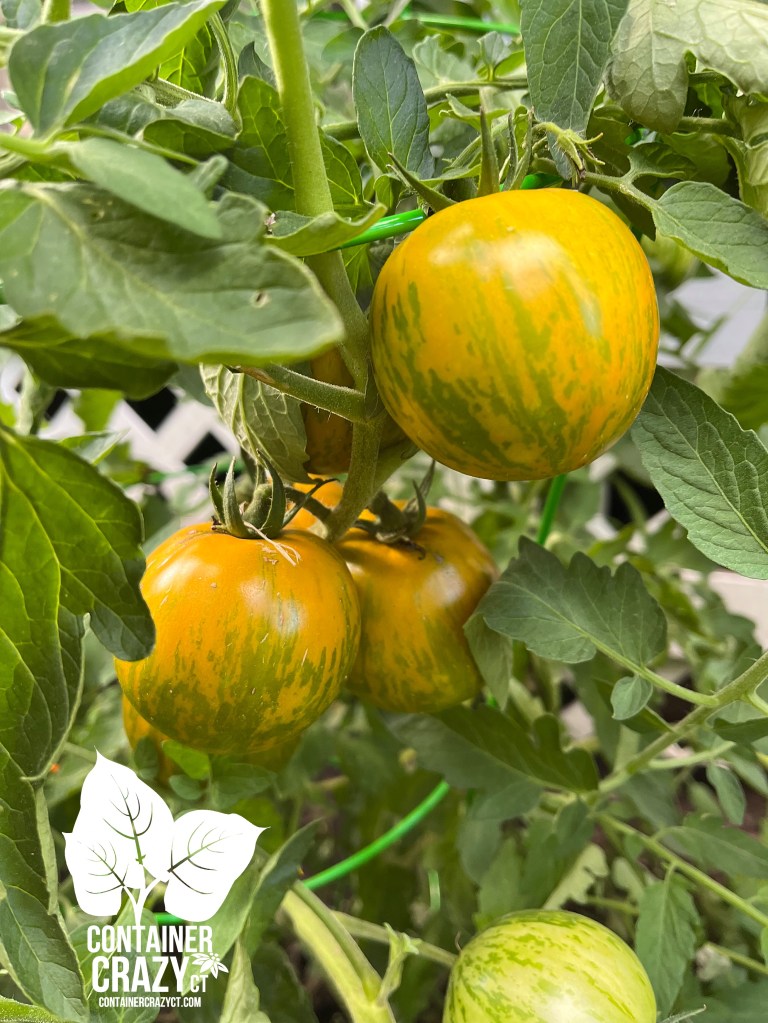
Green Zebra: Tangy flavor; green color to green and yellow striped colors as they ripen, medium sized round fruit (about the size of a tennis ball), and a good long yielder. Indeterminate so it grew to about 7 feet tall and keeps branching out further. My plant on my deck still has fruit hanging on it as of this date, August 25, 2022.

Planted with: Professional potting mix by SunGro with “Espoma Tomato-Tone with Calcium added” to soil upon planting (Tomato-tone is a dry fertilizer powder mixed into the soil; comes in a bag) and I also fertilized the plant later in the summer, maybe once or twice with Espoma tomato food (liquid feed) with a 1-3-1 NPK ratio (comes in a bottle and mixed with water) as needed.

Cherry tomato on the left. The GREEN ZEBRA ON RIGHT IN FABRIC GROW BAG at the start of the planting.

Planted in: A black fabric grow bag (I believe it is the 15 or 20 gallon size) and placed on the east end of my deck facing south, bag located against the house. The plant has reached the gutters and expanded so much, it looks like a Christmas tree from the inside of my house by the end of August. I kind of get a chuckle when looking at it right now.

The Green Zebra plant is way over to the right of the chair in this photo by the door which is barely visible!

Taking Notes: When I planted my tomato plants here, I made notes of the potting soil used and fertilizer upon planting as noted above. In my other planters, I added compost to the base of the pot and mixed it in somewhat, but I did not add compost to the Green Zebra fabric grow bag components. The Green Zebra fruit never got the dreaded blossom end rot, and another bonus – it did not get munched on by squirrels or chipmunks, which I’m guessing maybe because they are green and not red, thus less visible to them as a sneaky snack. Lastly, as noted, it is still holding some fruit while my other tomatoes like the Cherokee Purple and Goldies are done fruiting now.

Fruit is ready to eat at this stage of coloring

When to pick it: For the folks who bought the Green Zebra plants from me in spring time, a couple texted me to ask when they should pick them? I responded with, “The packet says when soft to the touch,” but what I found is the flavor was better when I saw the yellow stripe coloring within the green color of the fruit.

Clusters of the Green Zebra tomatoes on the plant 2022

Pruning: The packet also indicates to prune it to have no more than 3 main branches for a healthy harvest, but I pruned it just to reduce the size a bit and started to attach twine to light fixtures and other things on the deck and would take branches and train them along the twine. It looks rather messy and silly, but that is how I roll. I like it – it adds a jungle affect to my deck and this is fine with me. I was happy the plant experienced no major issues, no blossom end rot on the fruit, no bites from critters, and no blemishes or blight on the leaves.

Color before it starts to get some yellow tones

Size of Fruit: I did expect in my mind to have bigger fruit but most of them didn’t grow larger than a tennis ball. Maybe one or two about the size of a baseball. All smoothed skins, soft to the touch when nearing ready to pick, no blemishes, and rather interesting patterns made it a fun one to try. I like putting tomato slices on pretty plates and adding slices of mozzarella or other red tomatoes. This makes a colorful appetizer! Oh, and many of the fruit produced in clusters too on the Green Zebra plant. They start off looking a bit like cherry tomato clusters but grow much larger than cherry tomato fruit.

Comparing to other tomatoes (At first, I was picking the Green Zebras too early).

Its Unique Flavor: Now, for the true test! The flavor. My husband will eat any tomatoes of any kind. He loves tomatoes. And he slices, gobbles, and grabs as many as he can and approved of the taste of the Green Zebra. (He also asked me one day why they weren’t turning red yet so I reminded him these are green new ones I was trying out this year for the first time.).

As for myself, I did think it was “tangy” and I just wasn’t sure how to use them other than adding them in for a beautiful color affect with cheeses and or with red tomatoes, but then one day, I decided to toss them with chopped up fresh cilantro and a couple small cherry red tomatoes, and OMG! That is when I decided these are a keeper on my list. The flavor with the cilantro was very delicious. And by this point, the tomatoes were the juiciest too. Some people don’t like the flavor of cilantro but I absolutely love cilantro and this was the best taste to me with these tangy juicy tomatoes. Perfect as a salsa too or to put on taco’s on taco night!

Green Zebra Tomatoes with Chopped Fresh Cilantro and a few small red cherry tomatoes.

I probably won’t take down this plant for another few weeks but I’m starting to feel like I need to say good-bye to the other indeterminate plants with no more blooms or fruit. My cherry tomatoes are still producing and turning red right now and I’ll write about those later. Hope you are still enjoying your Green Zebras too if you got some from me!

Cathy Testa
Container Crazy CT
Blogging today
Other websites:

http://www.WorkshopsCT.com

http://www.ContainerGardensCT.com

Also on Instagram and Facebook under Container Crazy CT

Located in East Windsor, CT

Growing Tomatoes Sucks

3 Comments

Ha! Ha! April Fools!

Growing tomatoes definitely does NOT suck. It is one of the most rewarding aspects of summer container gardening!

I’m in the early stages of seed sowing this year, and here are some photos to share with basic tips, with all kidding aside! 🙂

Pre-Moisten

Tip No. 1 – Pre-moisten the seedling mix

I use a clear bowl and pour a small bag of “seedling” mix into it and then add water from my watering can. Using a clean and sterilized small scoop or utensil, gently stir the mix. It is best if you are able to do this a night before to allow the mix to absorb moisture, but a few hours before is fine as well, but this step is crucial. Allow that mix to take up a bit of moisture so it won’t float out of your seed tray and also the mix sometimes needs to rehydrate before use.

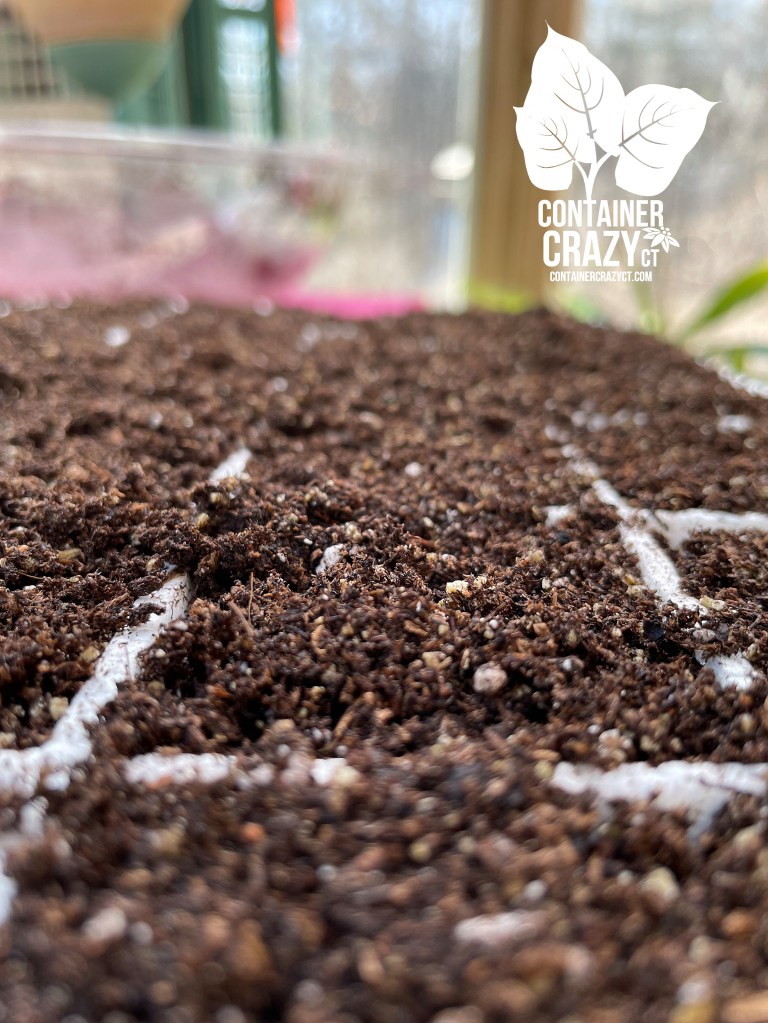
Close Up of the Seedling Mix in a Tray
Make a little hole

Tip No. 2 – Use a clean tool to make a tiny hole

Sometimes I have used a bamboo skewer, or you may just use your hands, I guess, but I prefer to make a tiny hole with a tool and then drop the seed into the hole with tweezers. You have the option of one seed per cell or a few seeds (and separate them later), but I tend to do one per cell in most cases. Again, make sure the tool you use is clean and I avoid reusing them unless they are easily cleaned. What I mean is after one tray, I may toss out that little plastic straw I used or put it in a recycle bin for use other than seed sowing. Be careful not to transmit things from tools. I’m referring to sowing tomato seeds in this post (and some of the hot pepper seeds).

Tip No. 3 – Seeds In Hand

Pour some seed into your hand or a paper cup as you work to drop them into the seedling mix – guess this is not really a tip but I have a good pic of me with some tomato seeds in my hand. Make sure if your hands happen to be wet to not to put an unsown seed back into your seedling packet because you will transfer some moisture from your hand to the seed to the packet. If you don’t use all of the seeds in your seed packet, store the packet in a cool, dark, dry place away from hot sun, temp flux’s, or moisture or damp conditions. And know how long seeds last for whatever you are sowing. Some seeds last 25 years, others last 2 years.

Seeds in Hands
On Seedling Heat Mats and Under Grow Lights

Tip No. 4 – Use a Grow Light

This is the first year I am using a high output energy efficient high bay fixture grow lamp. My trays are in my greenhouse BUT we get lots of cloudy days when I start to sow seeds in my area of Connecticut (usually starting in March thru May). On the cloudy days, I’ve been turning on the light. It hangs over the trays with a pendant chain which I am able to lower and rise the position of the lamp fixture by taking the chain and an S-hook to adjust it. I do not have it on a timer, I turn it on in the mornings on cloudy days, and turn it off by dinner time. It is only needed when the seeds germinate and are showing above the soil. This is a fluorescent lamp style. Tip is to watch it carefully as the seedlings grow so you do not burn the foliage as they grow higher.

Covers – Natural Sun was Hitting them in this photo one morning

Tip No. 5: Use clear covers to help maintain moisture of the seedling mix until they germinate is very much recommended, however, I tend to not do that – because I work from home, I check the trays every day at least twice a day. I look to see if some cells have dry soil (lighter in color, touch top to feel moisture if need be), while others are still are moist. I literally will carefully water only the ones that are dry, so because I am home and a plant addict, I check them often. If I was not home all day, I would be concerned about them getting too dry and go with the clear dome covers instead to help retain moisture during the phase of waiting for the seeds to germinate.

Tip. No. 6 – All same type of seeds in a tray

I made one minor error, I put tomato seeds in the same big tray in several rows and in the same tray, some hot pepper seeds in adjacent rows. Pepper seeds take a lot longer to germinate (3 weeks) because they really like very warm soil and air temperatures, while the tomato seeds germinated in five days! So now I am like, ah, I have to put the tomato side under the light. Next time, I will avoid that scenario. They only need the light when they rise above the soil. Hopefully this is making sense, LOL.

Other General Tips for Sowing Stages:

Don’t sow too early. Don’t sow too late. Know the timing. I’ve discussed in prior posts.
Visit trays twice a day to monitor watering, as noted above unless using dome covers.
Take photos, its fun and it allows you to see adjustment ideas for the next season.
Label seed packets with a Sharpie marker if seeds are still in the packet (I put a dot on the back if I used only some of the seed and a check mark on the back if all seeds were used.)
Record the date sown on the plant label and on a wall calendar or notebook. When the planting season arrives, you will get too busy. Taking notes is important.
Remember that in mid-May (for CT zones), you have to harden off the seedlings outdoors for a while before you actually plant them in patio pots, grow bags, raised gardens, etc.
Watch the weather forecasts.
Target your weeks before based on the expected last spring frost in May (usually mid-May).
Target your planting time when safe to plant outside (usually around Memorial Day, usually).

Types of Lights

I did minimal research on lights to be honest. There are several types of artificial lights for the greenhouse world. You do not need lights when the sun is shining in a greehouse for seedlings of this type, and the heat rises in a greenhouse quickly on sunny days, so you may need the alternate – a fan, or small gentle fan for your trays. Using a light should help the strength of my seedlings this year. As I’ve noted above, for many years, I did not use grow lights at all and I was successful. There are incandescent lights, high intensity discharge lights, fluorescent lights (the type I got), and light emitting diode (LED). All of these I will research when I have time I guess! LOL. Some are more expensive than others and some are hotter than others. Note: Some fluorescent fixtures are not good enough for other types of plants, but they work for seedlings with the right T strength. It is too complicated for me to go into and I’m still just learning about them so not much more I can offer on that for now, but if you do get lights, be sure you consider the placement, how you will adjust the height of them or the trays below. I read someone said they use books to raise the trays, rather than lower the light fixture but I also have a heat mat below. And I don’t want to bring books that may get wet into my greenhouse and keep dampness below the trays. Yes, I’m an*al that way – I over think it. Do research on the lights first if you have never used them, there are lots of neat setups now for indoor home growers. I just read of one that is a small shelving system perfect for apartments with lights already installed, etc. Many options out there.

My Tomato Jungle Last Year (2021)

And tomatoes do not s*ck – I was just kidding – it was a joke. Don’t slap me. Sorry, couldn’t help it.

Have a GREAT weekend!

Cathy Testa
860-977-9473
Container Garden Enthusiast
Zone 6b
Connecticut
Dated: 4/1/2022 April Fool’s Day

Tomato Seed Sowing and Planning

Leave a comment
Tomato Plants 2021
Tomato Pots Deck 2021

These photos motivate me to sow and grow again in 2022. I know we experienced some rough wet summer weather (as noted in my prior post) last year, but photos are what prompt me to grow again. Let’s hope we have a good growing season this year!

Goldie Tomato – an Heirloom

Nothing pleases me more than when a person who purchased a starter plant from me sends or texts me a photo as they start their harvest, such as in this photo above, sent by Shannon. Doesn’t that plate of fresh Goldie tomatoes make your mouth water?! I am planning to grow these golden delicious heirlooms again in 2022.

I also add a new tomato or two to my sowing and growing list for each season and will be providing that list to my regulars or post it on www.WorkshopsCT.com soon.

Paul Robeson Tomato – 2021

This photo of a tomato, with a bit of a purple hue, sliced up on a white plate was taken by me last summer. It is the Paul Robeson tomato with orange, green, and purple hues. It produces large sized fruit and the fruit resists cracking. I plan to sow some of these seeds as well this year. Another keeper on my list. And I pray for better weather so I can eat more of these this summer!

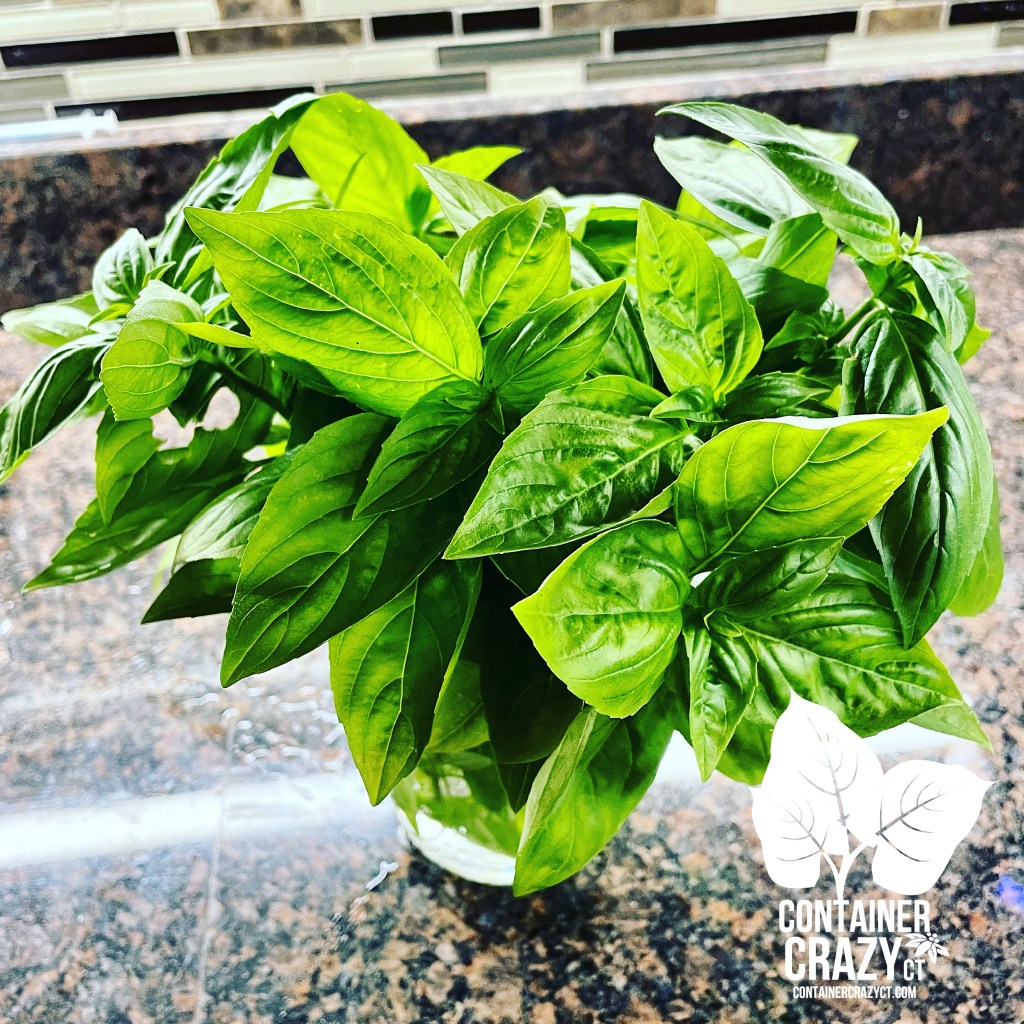
Basil 2021

An an absolute must to repeat sowing again are the basils. OMG, how can one have a fresh home-grown tomato sliced up on a plate without fresh basil leaves? I can smell it now – almost!

So in January, as I write this, on 1/13/2022, I have decided on which I will sow again and have ordered my new varieties for sowing. Check! Seed ordering done!

Cathy Testa
Zone 6b Connecticut
Container Crazy CT
WorkshopsCT
Container Gardens CT

Turning on the Lights

Leave a comment

On winter days like today, with soft white fresh snow falling, many of us start daydreaming about the seeds we will sow in a few months, and perhaps start planning out our key sowing dates, as well as ordering various supplies for starting our seeds.

Starting Seeds Indoors

Starting seeds indoors is something I’ve been doing for a few years now for warm season vegetables (tomatoes, hot peppers, and some herbs), and every year, I like to try new varieties or heirlooms. I’ve been successful with using my greenhouse to grow my seeds indoors, along with using appropriate supplies and soil mixes, and providing care (watering, monitoring, etc.) without the use of grow lights, however, this year, I think I’m ready to take the plunge and experiment with supplemental lighting.

Types of Lights

This post will not explain what you need, what type of lights you should get, or any of that, because I will be in the midst of researching and starting with just testing out one system of lights above some trays of seeds in a couple months in my greenhouse, however, I can tell you why I feel I should turn on the lights over my trays of seedlings for the first time this year.

Because it will improve the results – I think…

With a greenhouse, you have lots of advantages, such as space, heat, and “natural” sunlight. However, many winter days are cloudy and cold, with not much sunlight at all in the months of February and March (March is usually about when I start my warm season vegetable seeds). Cloudy days limit growing progress, but it won’t stop progress. I have been able to grow my seedlings fairly well but it does slow things down not having sufficient sunlight every day.

Heating Mats, Nursery Pots, Soil Mixes, and Labels…

I thought, because I’ve invested so much already by investing in using the heat mats for seedling trays and everything else, not to mention the cost to heat a greenhouse, why keep on spending? But, in the world of gardening, you always seem to be getting another item to improve your growing processes. I decided I would purchase one of the fluorescent lights sets to hang over the trays during germination and help the plants once they start to grow. My thought is I will only use the lights when the days are cloudy. On sunny days, I’ll allow the sun to warm up the greenhouse and provide the natural sunlight for the plants.

Seeing Lights in Greenhouses

I remember walking into a very large nursery up north once, and they had lights all hanging above, and thinking, hmmm, they use supplemental lights. From what I’ve been reading, the lights should be placed about 3-6″ above the seedling trays once they germinate, but you have to watch you don’t burn anything when you move them this close to the trays. I will be doing so and monitoring how the plants look. There are signs to pay attention to if the lights are too close, which I will know, because I’m accustom to monitoring plants.

Baskets of Herbs I Grew without Supplemental Lights

Are Lights Needed to Succeed?

Some people will argue that you most definitely need artificial supplemental lights to succeed with growing seedlings indoors, but I’ve always argued that is not 100% true. I’ll let you know what I think after my first season trial with supplemental lights for my seedlings. But, I have done it without supplemental lights for years, so you can do it, but using the lights will improve the seedlings health overall. I’ve used heat mats to help keep the soil warm in the greenhouse, and adding lights may give the seedlings an extra boost. It may take them from normal to champion status. Kind of like training an athlete. Improving each time.

Types of Lights

There are fancier and more modern light options out there beyond the fluorescent types, but I’ve decided I will take baby steps this year. I want simplicity, ease of hanging them, plug in style to an outlet, and give the lights a try. I’ve just ordered the system, and some more nursery pots because I know I’ll go thru them light crazy. Then I decided I need more labels, and the supplies list begins!

Light to Germinate

Most of the seeds I grow require light to germinate (some seeds require darkness), and they need light to grow well once they have germinated in order to grow strongly. Using a greenhouse really helps of course, and/or using the fluorescent lights will improve the results – but if you use both a greenhouse and supplemental lights – it should be awesome, I hope. As long as all other factors are done appropriately along the way, such as using good seedling mix, accurate timing of starting seeds before the frost dates, and monitoring. I usually check my seedlings every day once they germinate.

Plants Produce Their Own Food

Plants use light to produce their own food. If light is not available after they germinate, they are slower growing, they may be stretchy looking from reaching for sunlight, but once natural sunlight is provided on sunny days, if they experienced a day or two of clouds, they tend to rebound very quickly in a greenhouse setting. Plus a greenhouse gets very warm on sunny days! Once I use the new supplemental lights on the cloudy days, I should see them be stronger than ever before. Stay tuned as I share my progress.

Cathy Testa
containercathy at gmail.com
Broad Brook, CT
Zone 6b Area

Making Crushed Red Hot Pepper Flakes

2 Comments

One way to extend your summer harvest of hot peppers is to make hot pepper flakes. I will say this prior to writing my process, I am not an expert in this process and just tried it out this season, and did the same process with yellow hot peppers a couple years ago, and it worked out well.

Serranos

I grew several types of hot pepper plants this season in containers and patio pots, all started from seed: Serranos (above photo), Matchbox (red pointy ends; grows on small compact plants), Habaneros (small yellow ones), and others like Ancho Poblanos (not shown in these photos).

Place on a cookie sheet

Ignore the big round ones (Cherry Bombs – too hot for us! And a bit more difficult to dry using this oven this method).

Dried in the oven

I don’t have an air fryer and wondered how that would work for drying out hot peppers, but anyhow, all I do is line them out on the cookie sheet, put them in the oven at a low temperature (175 degrees) and let them sit ALL day in there. I will check them occasionally, maybe shake the cookie sheet to toss them around, and just wait. The house will have a unique cooking smell.

Drying in the Oven at a Low Temp

It will take all day or maybe even out that night and put back in the next day for a few more hours to dry them out. I will cut some in half mid-way thru the drying process. Be very careful as the oils will get on your finger tips. Then if you touch your face, you will get a burning sensation.

Mini Grinder

Pick out all the peppers that are completely dry from your cookie sheet after it has cooled, and put them into a mini food processor grinder and pulse away. It is that easy. (Remove stems prior – again, you may want to wear gloves as the oils easily get onto your hands.)

Do not use any that are mushy

Note: Do not put any peppers in the processor that are still soft and not completely dry because they will just mold in the jar later. (For example, the big round ones, called Cherry Bombs, were just too mushy so I left those out.)

Grinded

After pulsing the mini grinder, wow, look at this beautiful color of very hot pepper flakes. I put my nose over the mix and it gagged me – not kidding. The scents were that powerful. I won’t be able to use these myself, but my husband will though. He shakes it on his soups and other meals during the winter. One jar is enough for the winter, but I’m sure he’d use more if I made more.

Ready for winter recipes

Use a Shaker Style Jar with holes in the lid

It is best to use a jar with a lid that has the open holes to shake and also, I will leave the open area open for a few days and toss these around to help the air circulation. It is important to not have any moist flakes in this – or it will just mold later. So when you dry them in the oven, be sure to not use any that are soft and not fully dried.

Growing Hot Peppers

I want to learn more about growing hot peppers because making these flakes is actually fun. There are probably better ways to dry them out – but everyone usually has an oven so this is a method I tried and it works out – for my husband. I can’t eat these – they are too hot for me.

Great Container Garden Plants

It was easy to grow various hot peppers in container gardens and patio pots. They are pretty much carefree. They like a very sunny location and do well in potting mix soils with regular watering as needed. Most of them turned to their specific ripe colors around the end of August and some still ripening in September (in my areas of Connecticut; Zone 6b). The plants can stay out till our fall frost which happens around mid to late October.

Starting from Seed Indoors

Starting them is an early start in March (about 8-10 weeks before our spring frost (referred to as a last frost). The seeds require a warm spot (80 degrees is ideal) so be sure to use seed heating mats and place in a warm location to grow them from seeds. They are transplanted into container gardens and patio pots 3 weeks after spring frost has passed.

Care

Basically, only thing you need is a good watering routine and perhaps some small thin stakes as some of my plants got rather tall (the serrano and habaneros). The other, Matchbox hot pepper, stays compact and is perfect for smaller pots. They are pretty too – covered in bright red vivid peppers. I find they do not get affected by insects or wild animals (like squirrels).

Uses

Think spicy Shrimp Fra Diavolo. I love making it in the winter months. It is also wonderful shaked into soups, stews, on top pasta dishes, and in chili recipes. If you can handle the hot spricy flavors and heat, it is wonderful.

Starter Plants

Because the seeds need good warmth (as noted above), they can be a little more demanding for starting from seeds, but I will try again next season. I have starter plants available in May so look me up if local and interested in the spring time.

Thank you for visiting,

Cathy Testa
Container Gardener
Container Garden Installer – for hire!
Hot pepper grower
Today’s date: 9/22/2021
Week’s weather: Rain rest of week, mid-70’s day
860-977-9473
containercathy@gmail.com