Plants Never Give Up – So, Why Should We?

4 Comments

After a crazy busy schedule, I thought I would have one last big item to get through on my work list for the end of this summer season, and then I thought I could take a deep breath and maybe a little break before the fall and winter activities kick in, such as the Oct 4th Hypertufa Making Class and the Dec 6th Evergreen Kissing Balls & Holiday Creations class.

But oh no…, a hacker entered my midst, and soon after a laptop problem occurred – all leading to a big delay in my work schedule and activities. It made me put on the breaks, and literally – take a BREAK.

But the good news is, I found a great tech, got things rolling again – and, as of today, it is back to business and back to blogging.

The interruption to my schedule certainly caused some nuisance problems and a rescheduling of an important class to November, for the Advance Master Gardener program, but the MG coordinator understood.  You see, she’s been there with computer issues too recently, not just on her home computer but on her work computer at the same time.

And, I think in general, gardeners or people dealing with plants as a career, well, they seem to know how to handle interruptions or mishaps when things happen with plants – maybe it gives us some patience skill building – like when we have a failure of a plant due to an insect attack, a virus or unexpected damaging weather – Our reaction can be similar – as in, first you go running, screaming, and venting – then you take a deep breath and work through it using the tools and experience you possess.

I will say this – I am super glad plants don’t rely on technology like computers do. OMG, I really don’t know how the techie heads keep up with all they need to know to manage all the problems one can encounter on the web, etc.

OK, BACK to PLANTS!

Fly on Milk Thistle Bloom

Fly on Milk Thistle Bloom

Milk Thistle Brings On Unusual Surprises

I thought about how I didn’t expect to collect seeds from one plant I put into a container garden this summer, but about a week ago, a Milk Thistle plant started to burst open its gone by flower heads and release fluffy white appendages attached to their blackened seeds within.  I carefully cut off the top of the flower head, and pulled the seeds from the center to store them for the winter to use next spring.

This Milk Thistle, called Silybum marianum, is new to me – and the only reason I grabbed one plant one day was I liked the speckled striking pattern of creamy white on its bright green leaves.  Knowing nothing about it (other than it resembling Canada Thistle, which is considered invasive in CT), I got it as a spontaneous purchase.
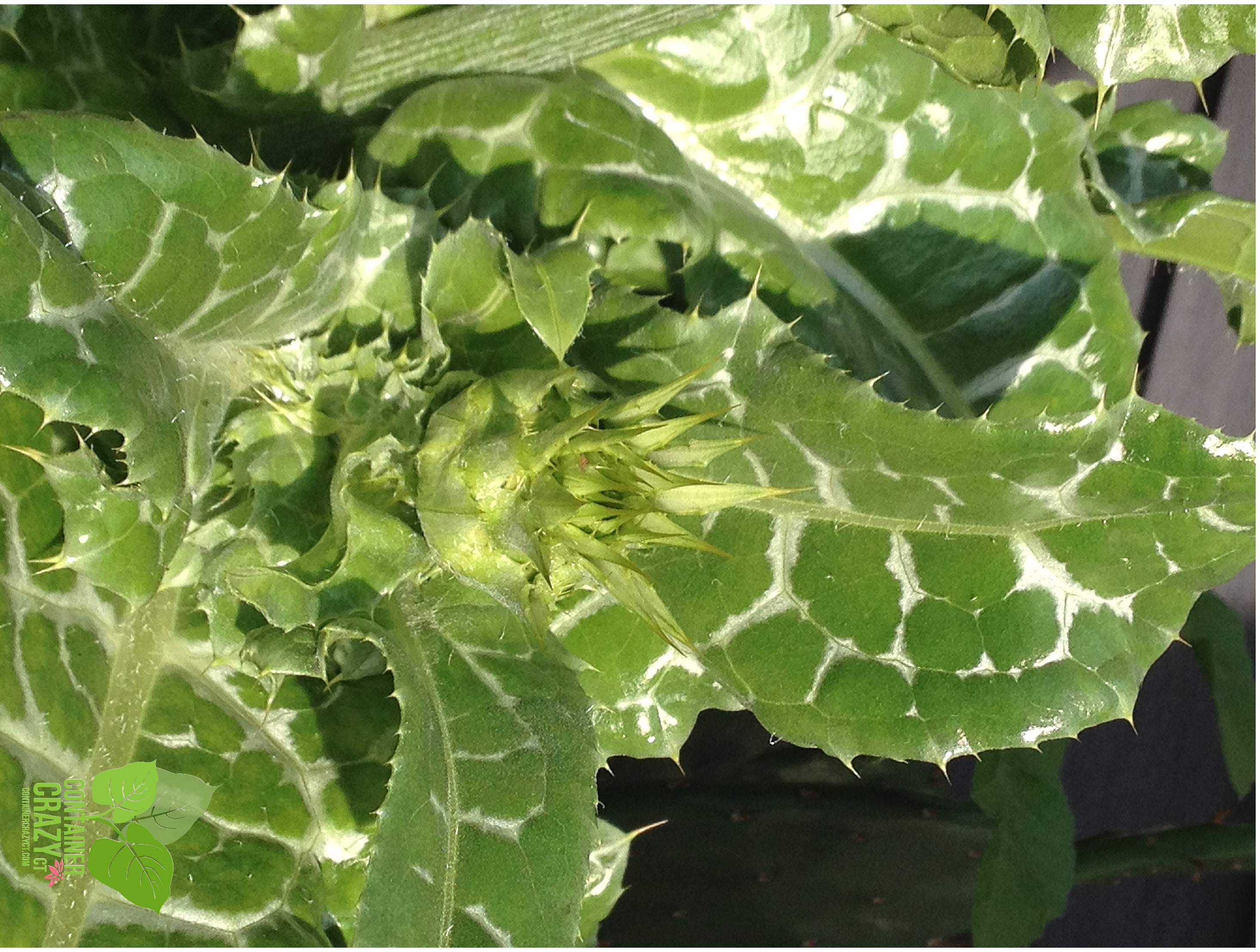
Creamy White Marbled Foliage on Milk Thistle, Silybum marianum

Creamy White Marbled Foliage on Milk Thistle, Silybum marianum

How it Grew and Changed Over the Season

As the plant grew, I discovered it has nasty thorns on its leaves, and if you happen to be near it or working around it – it can poke you easily.

It grew fast and wide, and took up a lot of space in the pot.  But the label said it would get 4 feet tall – and no way was it that tall when it first was growing in the pot.

Finally one day, around mid-summer, a stalk with a flower bud appeared to form and started to pop up from the base of the wide foliage, and within days, the stalk shot up fast to at least 2-3 feet tall.

Plant Rises Tall as soon as Flowers Grow

Plant Rises Tall as soon as Flowers Grow

It was like one minute, it was short and wide, and then two days later, this very tall flower rose above it – amazing fast growth in height. That was surprise #2 about this plant. So, it does reach four feet tall after all.

I was happy to see the beautiful purple-violet flowers open up and found them to be very pretty – when I posted a couple photos of it on Instagram, I got comments right away.
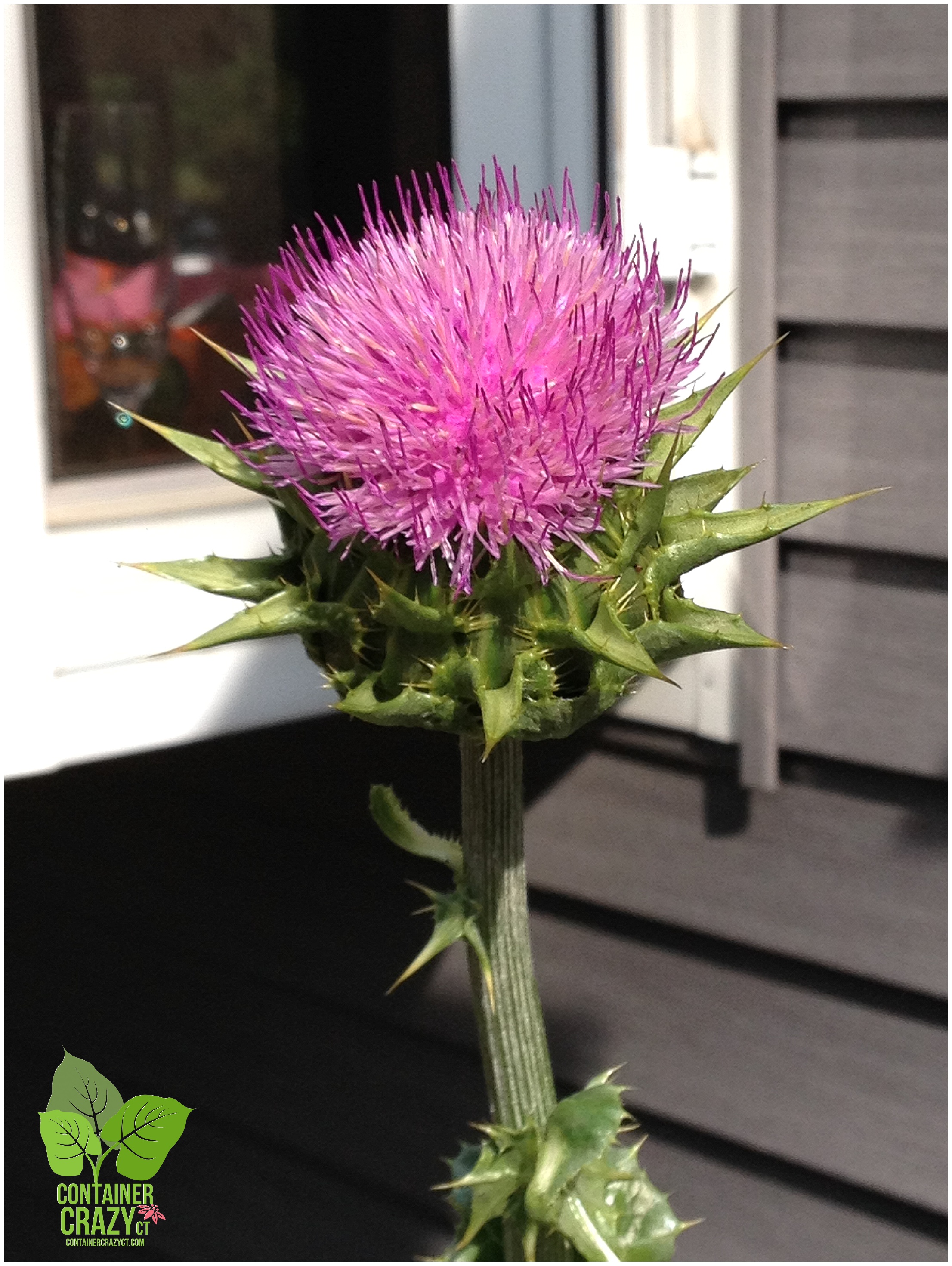
Blooms of Silybum marianum

Blooms of Silybum marianum

One person asked if it was Silybum marianum, and said they wanted that plant for medicinal purposes.  Even a nurseryman asked if I had “seeds to share.”

Flower Head Cracking Open

Flower Head Cracking Open

But it was not in my plan to actually harvest the seeds, however, I began to do so this month once I saw them pop open, and realized it could be a popular plant for some folks.

Seeds escaping to survive

Seeds escaping to survive

It is stated on the plant tag, “Legend has it that the variegation arose from the milk of the Virgin, which fell on this plant, hence the botanical name.  The flower heads are often eaten as artichokes and the seed is used to medicinally cleanse the liver.

Collecting Seeds of Milk Thistle

Collecting Seeds of Milk Thistle

Plants never give up – They continue to set flowers to set seeds, despite weather changes, attacks by insects or viruses, and it was just a thought which popped into my head this morning – as I dealt with technical problems with my laptop the past week and got “back to business” today with a functioning computer fixed finally.  A plant never gives up – despite its challenges, then neither should I. Cause believe me, the delays were testing my perseverance at the end of a busy season, right at a moment when I wanted to breath a sigh of relief.
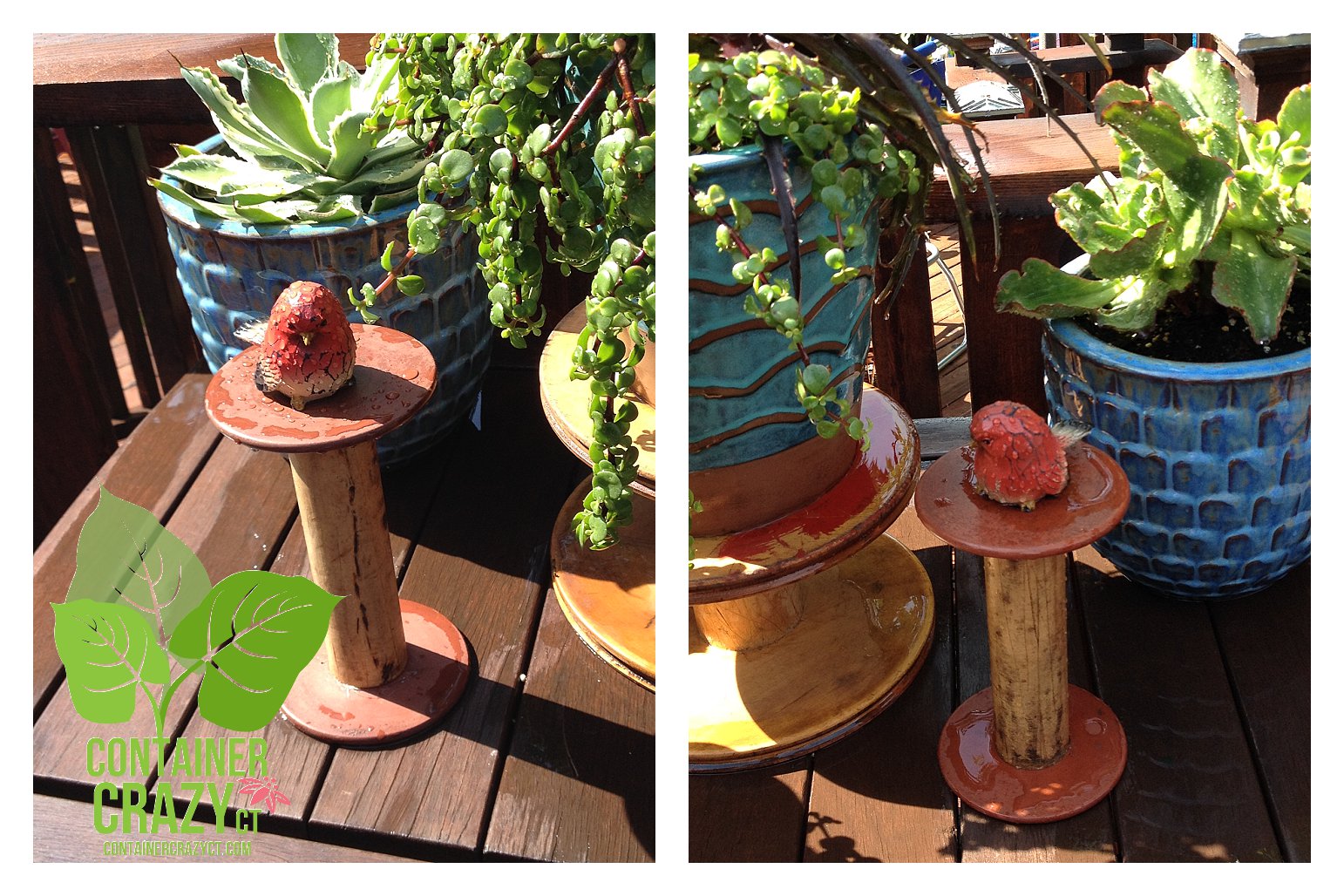
Cacti Pots Like These Will be Moved Inside Soon

Cacti Pots Like These Will be Moved Inside Soon

Time to Start Moving in the Cacti

Now that fall is coming upon us, it is time to consider getting some seasonal color in the landscape with mums and other fall blooming plants, and maybe adding some fun autumn decor in the mix.  But, I really don’t want to let go of the plants on my deck yet!

However, the nights are getting quite cool so it is time to considering moving in the cacti or succulents, as the tender fleshy growth may rot at the base if the soil in your container stays damp in this cool weather.

My recommendation is to reduce watering greatly for your plants outdoors in container gardens, and move any pots with succulents or cacti, which you may have purchased at the May Container Garden Party Class, to a sunny location on your deck or patio this week if they are not already in full sun.

Let the sun warm and dry out the soil somewhat before you transition any of these types of plants into your home as houseplants, which should be done soon, in the next week or so.

Once indoors, reduce the watering of your cacti plants over the winter months, and be sure you put them near a sunny window, not in a very shady spot in your home, if possible.

For more information, attendees should refer to the handout from the May Big Container Garden Class about the “Must Not Do’s with Succulents and Cacti.”
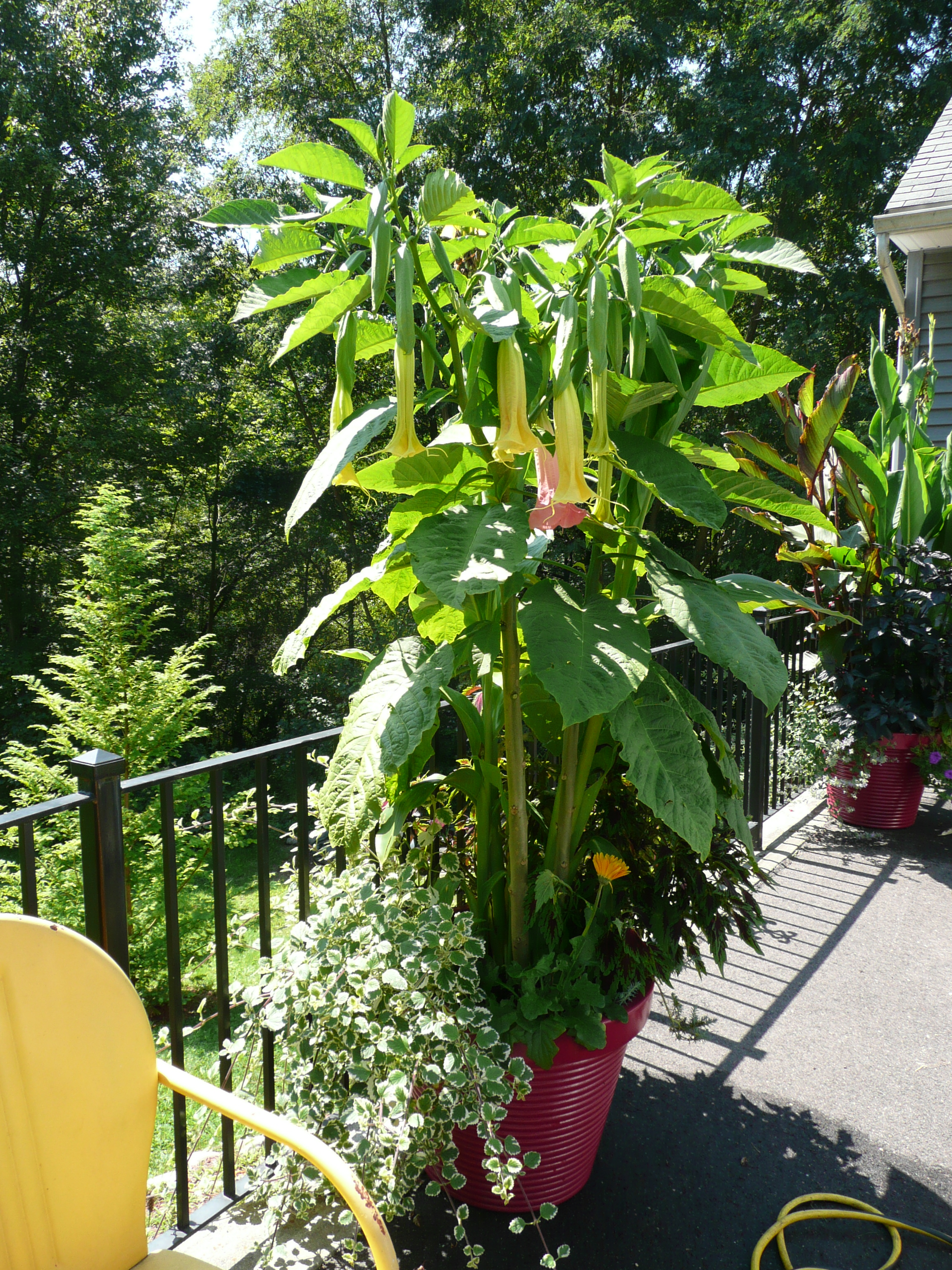
Tree Like

Angel Trumpet from Prior Years – Move inside before frost if you want to keep as a houseplant

Time to Reduce the Watering of Others

You should also reduce the watering of your Canna, Elephant Ears, or Banana plants in your container gardens.  If you were watering them daily, reduce it to every 4 days or so.  The cool nights will slow down the plant growth as we transition into the fall season, and if you allow the soil to dry out somewhat, it will be easier to either move your pots into your home if you plan to do so, or remove the rhizomes and tubers below the soil after the first frost hits them in October.

The canna, elephant ears, and banana plants are still booming beautifully right now, and I plan to enjoy them up to the time I have to disassemble my pots to remove the rhizomes or root bases.  BUT, if you want to take those plants inside as a houseplant, you want to do so before our first frost in October.  Once hit by frost, they blacken and turn to mush.

Watch the weather for the frost warnings in the coming weeks as we get closer to October. And in regards to the Angel Trumpets (Brugmansia), which someone asked about recently, if you wish to move them inside the home, do so before any frost too.  Or you can cut this plant back hard and move the pot to the basement.

More details on this will be posted soon – check back in often!

Cathy Testa

Plant Details:

Milk Thistle (Silybum marianum)
Annual Herb, Sun Exposure
Height: 4 feet, Space in the Garden: 24″
Uses:  Ornamental (my reason for getting it), Medicinal (learned from friends), and Culinary
Gilbertie’s Herbs was the grower I got it from this year.
Use a big pot if you plan to grow one in a container (22″ in diameter recommended as min.)


Elevate to Alleviate Potential Plant Problems in Your Patio Pots

1 Comment

We are experiencing wet, damp, humid, and even cool air conditions right now in Broad Brook, Connecticut due to the current weather pattern – and your plants are getting a good soaking, which can be very helpful for plants in the ground, but when it comes to plants in container gardens and patio pots, overly wet soils and wet surfaces around plants can lead to problems such as fungi, diseases, and the unsightly yellowing or rotting of leaves.

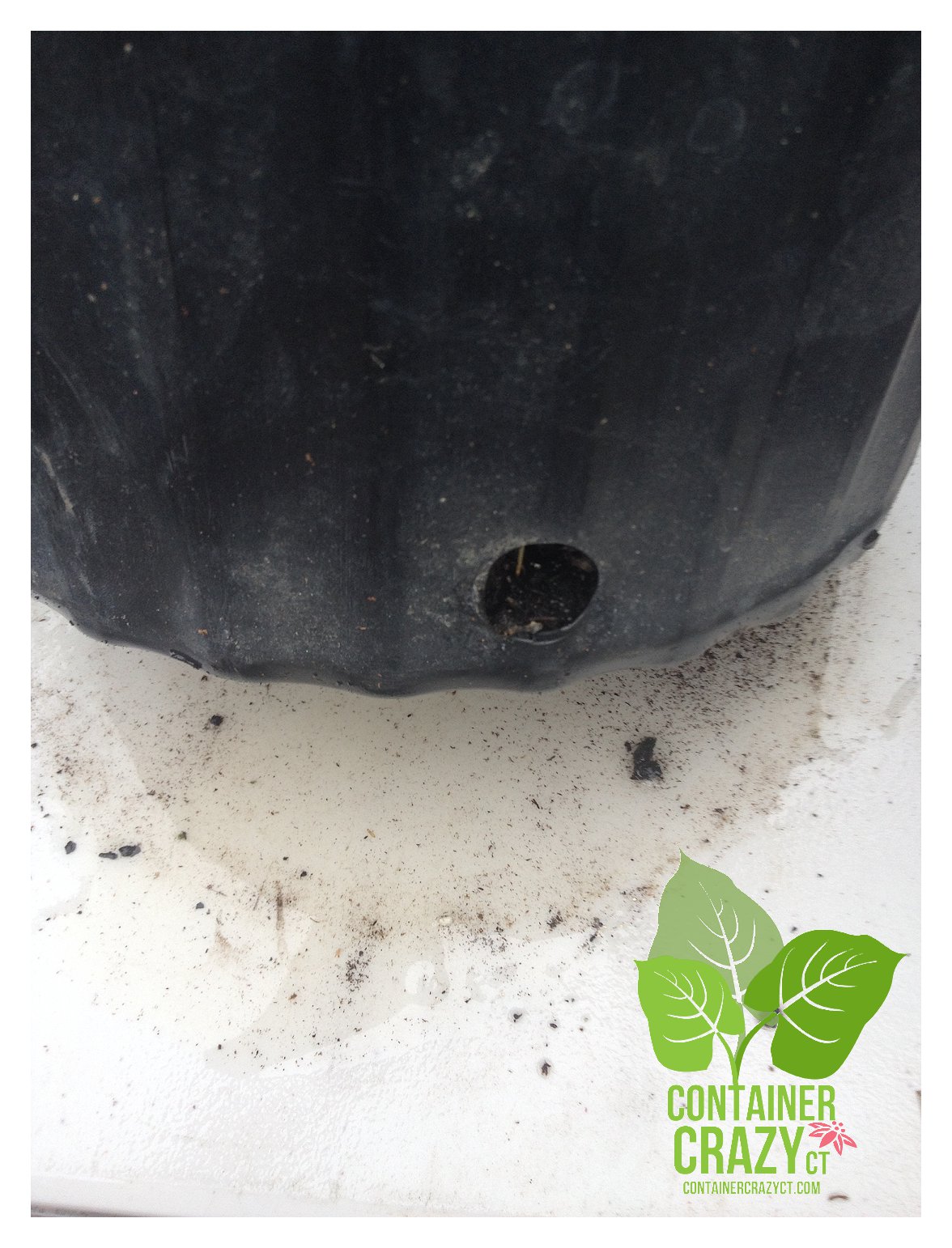
Hopefully, if you used good porous soil in your pots, and provided plenty of drain holes at the bottom of your pots, the soil is draining freely and your plants are holding up well.  But sometimes, pots sitting on a flat surface may be sitting in collected water at the base of the pot during constant rainy weather, which is keeping things wet in or around your patio pots and plants.

To avoid an overly wet situation, which may lead to plant problems, one easy thing you can do is elevate your patio pots a bit to provide a gap between the base of the pot and the surface it is sitting upon.  And the gap you provide by placing something under the pot doesn’t have to be super thick or wide, all you need is a few inches or less.

Quick Ways to Elevate your Pots

Here are some quick and easy ways you can elevate your pots to alleviate overly wet situations as we get through the dampness of our week until the sun arrives this weekend:

Kitchen Trivets

Trivet under Glazed Pot

Trivet under Glazed Pot

As you can see, the gap is slight here but it allows air under the glazed pot and prevents the wood base used as a plant stand to not stay wet all the time.  Maybe you have a trivet in your kitchen?  So long as it has spaces or gaps to provide places for the air to move, this will help the situation from staying really wet.  It will help the wooden plant stand from rotting as well.

Patio Tables

Patio Table with Opening Screen Pattern

Patio Table with Opening Screen Pattern

Maybe you have a couple side tables on your deck?  If they have a grate-like or open pattern, such as this one, it is a perfect way to elevate a pot to allow circulation under the pot, and to also showcase your container garden at a higher level.  This pot has a watermelon plant in it so the elevation helps the vines to trail down nicely as spillers in the container garden.

Pot Feet

Pot Feet

Pot Feet

Many stores offer little pot feet, which I like – they are handy and easy to store.  And if they have some cute pattern or decoration on them, it can look nice.  Place each one on the floor and then place pot on top – adjust as needed to balance the pot.  A simple and easy elevation allows the water to drain when watering on non-rainy days, instead of that water sticking around under the pot, causing the floor to stay damp. This will help your wooden deck or patio surface to not get water rings too.

Drink Coasters

Elevate Pots ContainerCrazyCT_0017

Coasters

Coasters

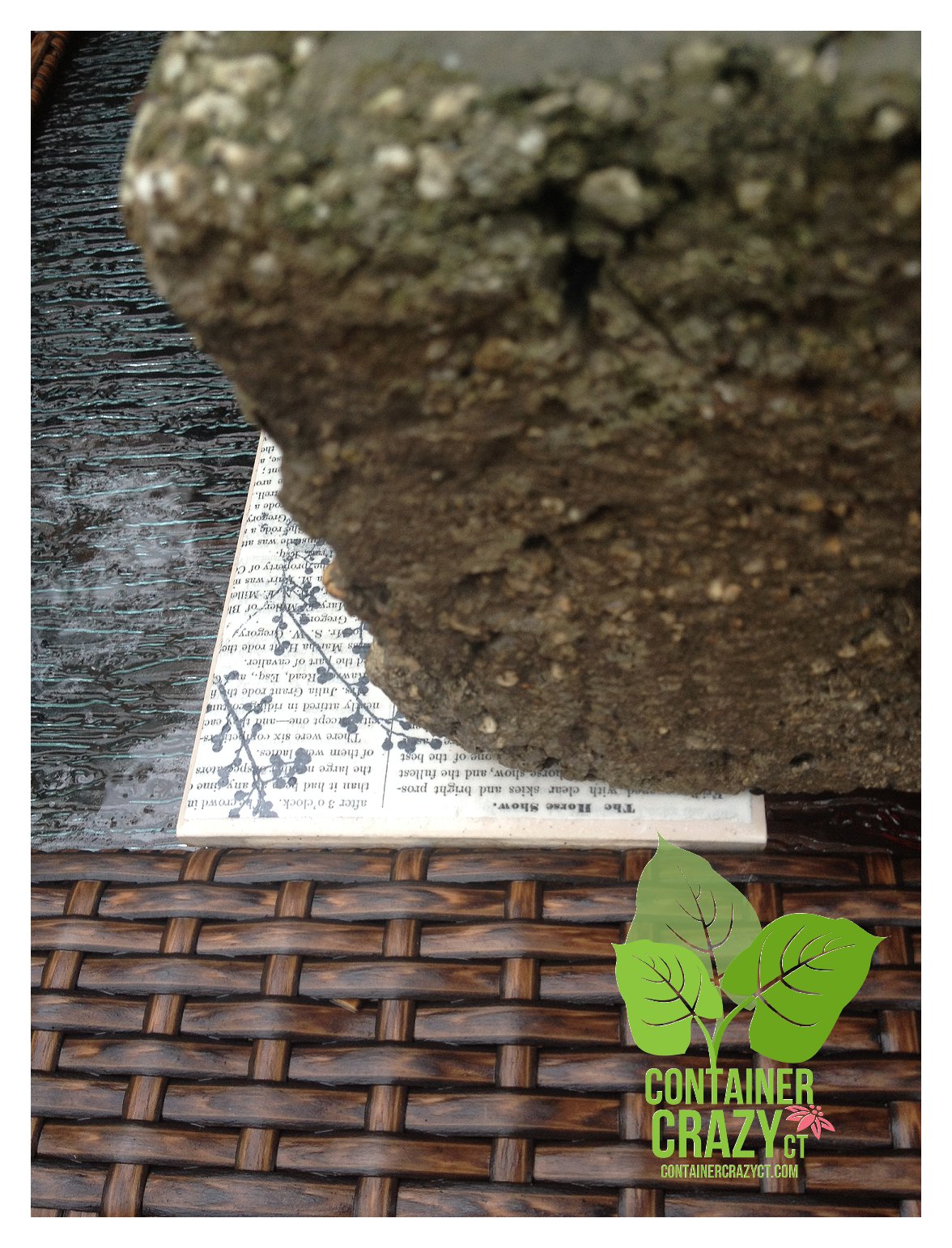
This Hypertufa planter is sitting on a glass surface.  The pot is porous, sure enough, but the glass below this square planter forms a seal of sorts and the water stays collected under the Hypertufa planter.  In wet conditions like we are having this week from the weather, I definitely prefer to have that little elevation below this planter – and coasters are perfect for this one.

Drain the Excess

Elevate Pots ContainerCrazyCT_0014

Drain excess water

Drain excess water

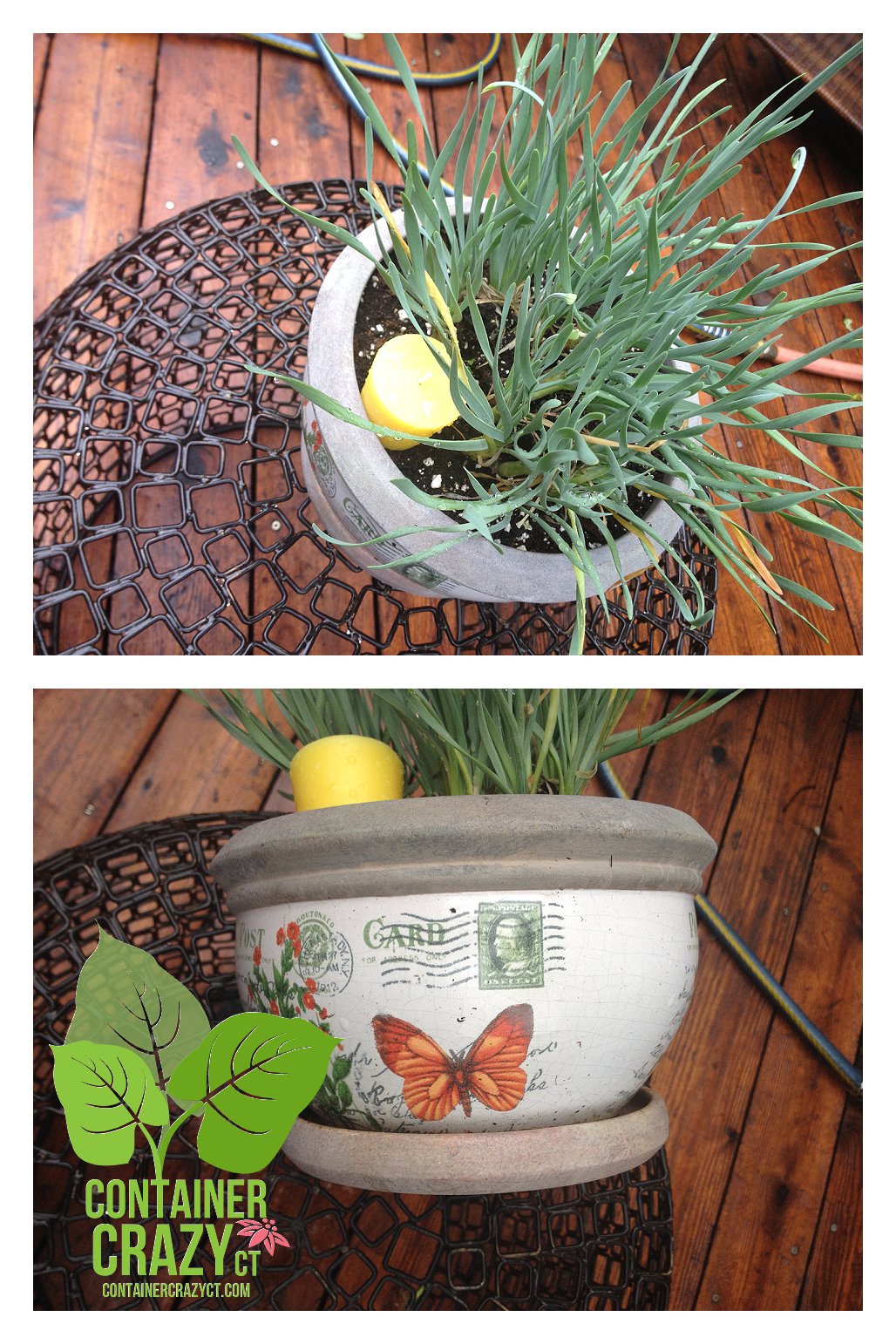
This situation is not too bad in this small ceramic pot, but you can see how excess water collects in the catch tray area.  The soil mass is small in this pot and the soil is staying damp right now.  In one photo, notice the yellowing of the leaves on the chives – a potential indication of overly wet soils affecting the leaves.  So just drain the excess water out.  It is not going to evaporate during our rainy week.  If you have a bigger or medium sized pot with no drain holes, and there is no way for excess water to exit, gently tip your pot on the side and allow water to drain out from the top.  A little tricky to do and totally unnecessary if you followed Cathy T’s Five Must Do’s for Container Gardening – and you know, providing drain holes is a big MUST DO, but if you Didn’t Do, do tip the pot to drain away excess water from waterlogged or very soggy soils if possible.

Flip the Unplanted Pot Over

Flip the Unplanted Pot Over

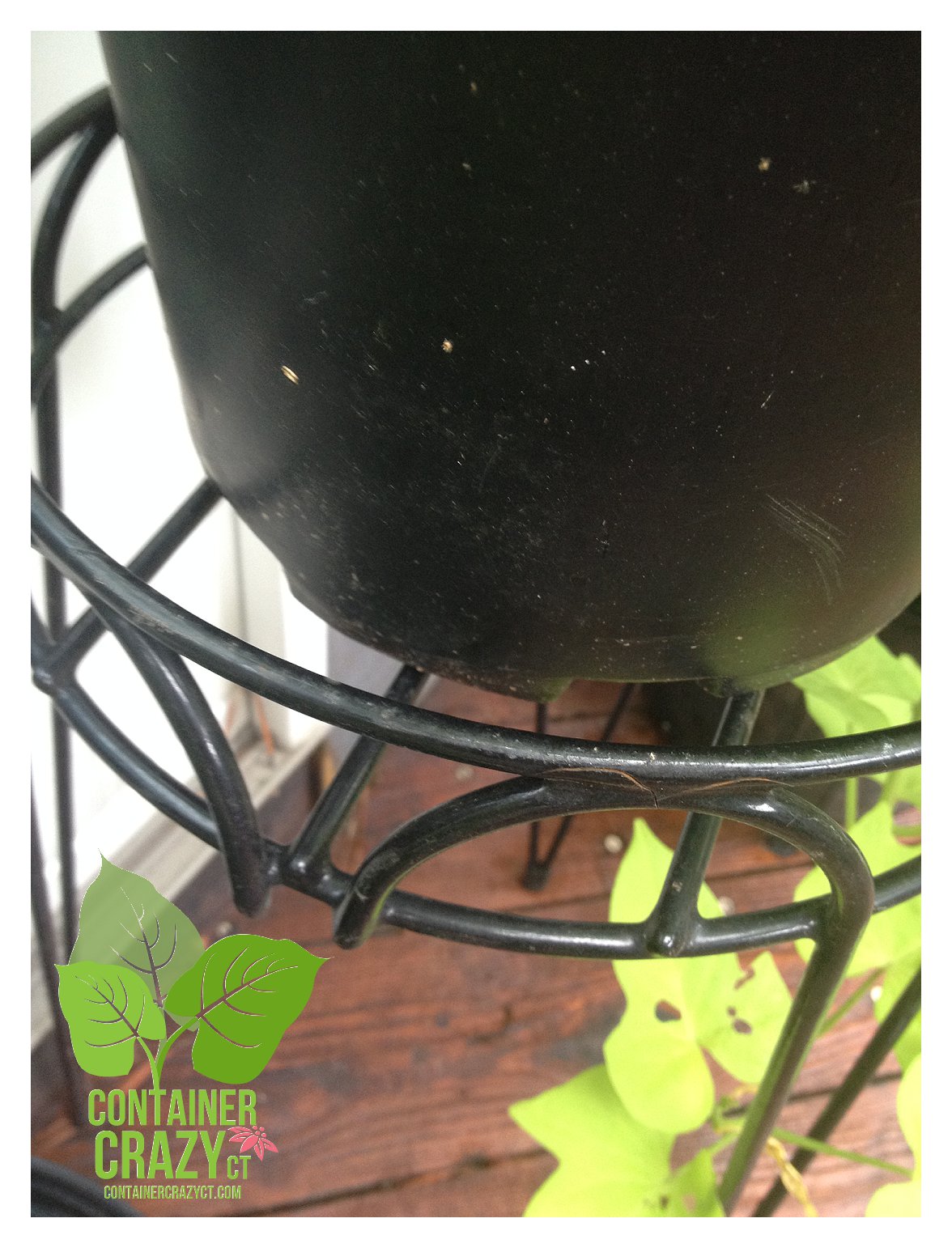
These days, I’ve been keeping very busy with work – so it is hard to believe, I know, but I have some “unplanted plants!” Yikes!  So here I have a pot that hasn’t been drilled with drain holes yet, and I had the upper pot sitting in it, but guess what, the water was collecting in the blue pot, so I flipped the blue pot over and set the plant on top for the few days it is raining a lot so the plant in the black pot isn’t sitting in water – unless it is a water plant, the roots in the soil will rot at the base from lack of oxygen.

Plant Trays or Kitchen Trays

Elevate Pots ContainerCrazyCT_0009

Find a Plant Tray

Find a Plant Tray

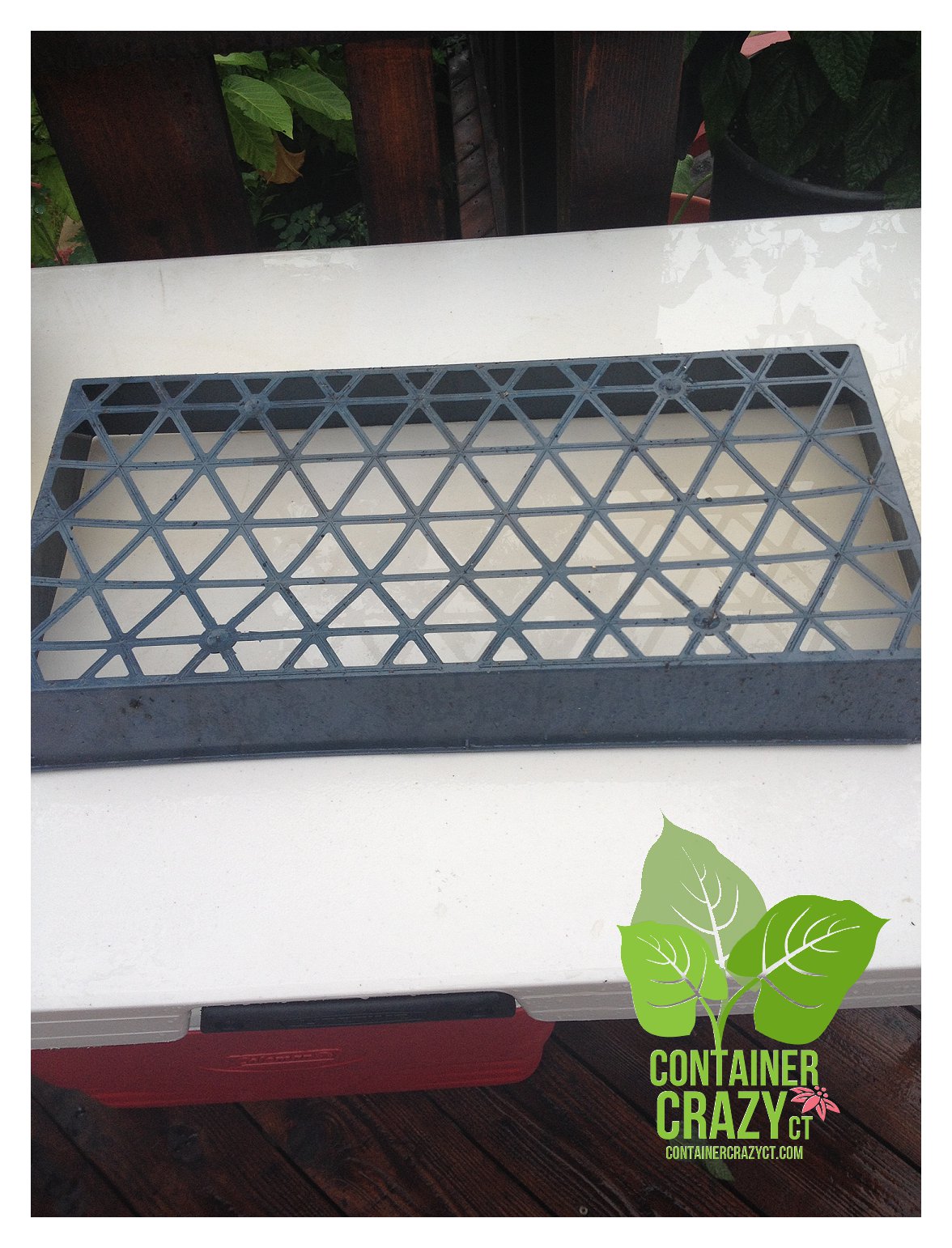
See all that water on the white table on the photo above of the round Hypertufa with the cute little owl?  That water is just hanging around, not draining anywhere.  So find a tray, maybe you have a plant tray with holes, or even a oven tray would work, to put under it and allow that water to move away. I set the round dish garden (Hypertufa) on top of the plastic plant tray turned upside down just so it isn’t soaking wet during humid weather.  It may seem a little much to go around doing this – but do you want healthy plants all summer?  I know I do.  So I watch these little things during weird weather.  Another option, if you have plants sensitive to damp weather conditions, such as succulents, is temporarily moving the plants under coverage such as a patio umbrella during the rainy week, then moving it back to sun to dry out nicely.

Shelves with Spacing

Elevate Pots ContainerCrazyCT_0012 Elevate Pots ContainerCrazyCT_0007 Elevate Pots ContainerCrazyCT_0006

Most greenhouse benches have gaps – in order for excess water to drain and move away and out of the pots, and for air movement- so if you have tables with shelves with gaps, grates, or wire patterns – they are prefect for plants, as shown above.

Typical Plant Dolly or Caddy, or Tag Sale Finds

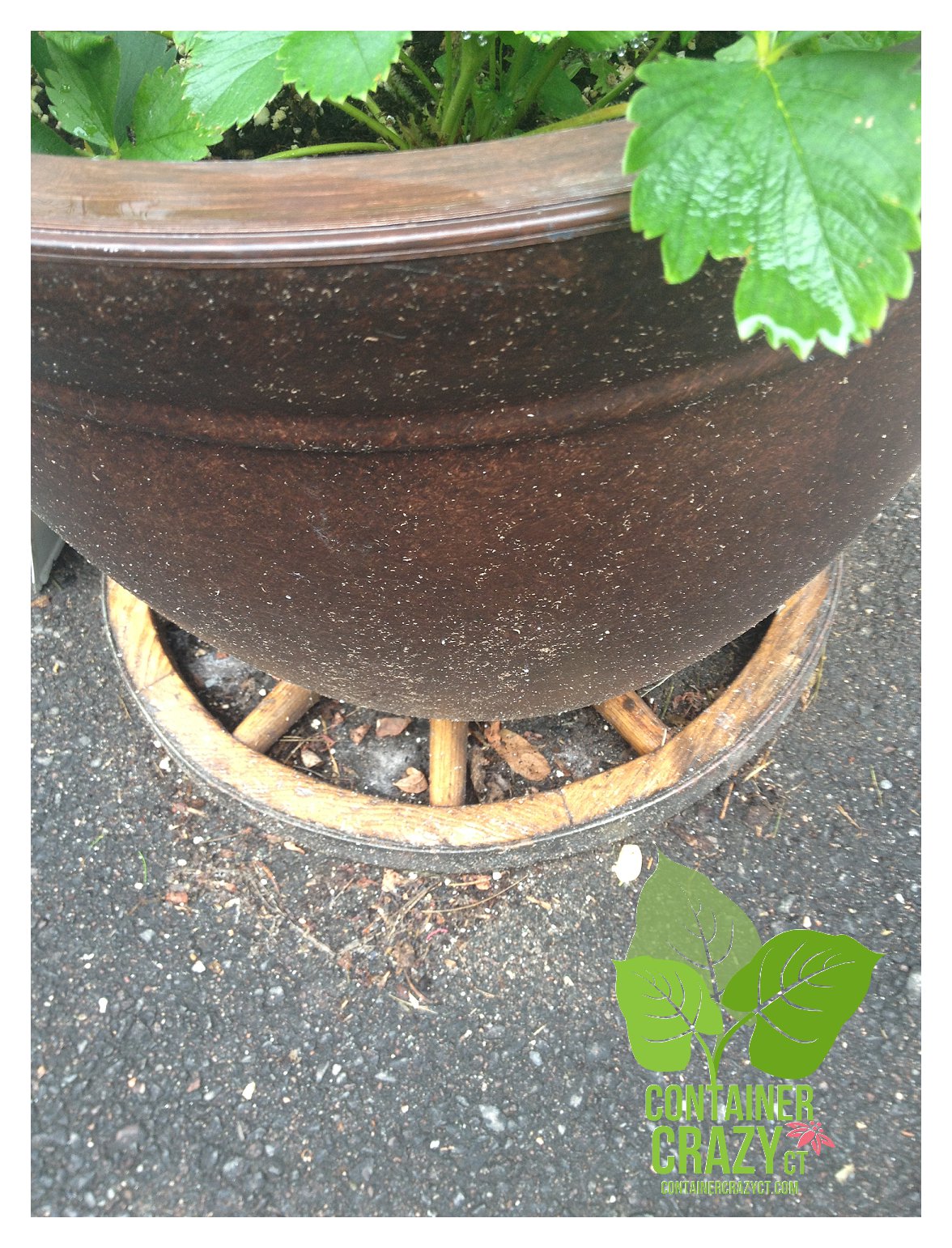
And of course, there are the plant dollies or caddys, many with wheels available at plant related stores, or maybe you may find something like a wagon wheel from a tag sale.  I found a couple wagon wheels at a tag sale last year, and thought I’d use them for some garden related art like item – well they ended up under pots on my driveway.

Think out of the box (or wheel) for items to elevate your pots just a bit.  There is probably something useful around your home.

Elevate Pots ContainerCrazyCT_0002

Plant Dollys, Trays, and Wheels

Plant Dollys, Trays, and Wheels

Mushrooms in the Pots

Elevate Pots ContainerCrazyCT_0005

Mushrooms at the Base (ugh) see how the water is collected on the table?

Mushrooms at the Base (ugh) see how the water is collected on the table?

The mushrooms won’t hurt your plants – but I do not like seeing them in my container gardens.  An over abundance of water in certain soils (soils without enough porous material such as Perlite) may lead to this problem, or over-watering soils invites mushrooms at times when the weather conditions are favorable for mushroom spores and growth.

Lately, I am seeing some potting soils I am not happy with on the market getting more mushrooms than I’ve seen in years past so – more research is required on that by me — but I also stumbled upon a good article about mushrooms growing in soils from another blog called, “Balcony Container Gardening”. Here’s the link where the blogger describes in simple terms what the mushrooms are, and how you can deal with them:

http://www.balconycontainergardening.com/gardening/226-get-rid-of-mushrooms

One last comment, although some water is held by the forces of gravity and capillary action in your potting soil in pots, the process of elevating your pots alleviates water sitting at the base of your pot and helps everything in general from staying damp and wet. Water is required for some fungus to thrive, so reduce the potential is my modo.

Elevating pots is something I have practiced for years with container gardens, and I believe it truly helps the plants overall health.

When the soil is allowed to drain freely and there is air circulation all around the pot and plants, things just stay healthier.

Wooden Dolly with space between the boards

Wooden Dolly with space between the boards

Cathy Testa

http://www.cathytesta.com
860-977-9473
ContainerCrazyCT.com

Insects in Your Container Gardens – And What You Can Do…

2 Comments

Hello Everyone!

It is that time of year when we may be seeing little critters appear on some of our plants in our gardens or container gardens, and it ain’t pretty.  Fortunately, many of them do not last long due to their life cycles, stages of growth, and time of appearance, but regardless, it is best to battle them as soon as spotted on your plants.

I like to use the ‘pick and squish’ method first whenever possible, if bold enough, prior to reaching for any insecticides, or use of pesticides.  Sometimes just hand picking off or pruning, then disposing of them works.

In the photos below, you will see what I believe are eastern tent caterpillars on my honeysuckle vine (top left), aphids on the eggplant bloom (middle top photo), and mosquito larvae in the water image.  These were all spotted in late June, along with a first sighting of the infamous Japanese beetles, which emerge from the ground in early summer to feed on plants.

Yuck -- Insects on Plants

Yuck — Insects on Plants

Tent caterpillars on my trumpet honeysuckle – YUCK! That was a first – and my honeysuckle has been doing so well this year.  Obviously, I was not happy to find these buggers.  My honeysuckle plant is growing by the side of the house, and it surprised me to find tent caterpillars on it.  Fortunately, with a quick snip of the vine from which they were attached, they were easily bagged and tossed.

Honeysuckle bloom creeps into Delphinium

Honeysuckle bloom creeps into Delphinium’s blooms

TENT CATERPILLARS ON MY HONEYSUCKLE VINES

Using clean pruning shears, I cut of the portion of a vine with the nasty critters on it, put it in a plastic bag on the driveway and then stomped on the bag.  I left the bag laying on the driveway for a while.  Why? I figured the heat would fry any not crushed (oooh, gross – the things gardeners will do!).  Then, I went out for my day’s work at a client’s location.

That day, my parents dropped of some items at my door, and my mother saw the plastic bag sitting on the driveway so she included my bug bag as a hanging item on my door handle while I was not home.  I guess she figured I dropped something by mistake on the driveway.

Well, when I opened up that bag at the kitchen table – ACK.  Out to the garbage can it went – and quickly. You see, the other bags my parents often leave me are filled with fresh veggies from their home garden.  Imagine my surprise and reaction when I found bugs instead of radishes.

Prior to all this bug nonsense, I was enjoying the many orange trumpet shaped blooms growing from my honeysuckle so much all month.  At one point, a stem pushed its way through the center of a Delphinium stalk located near it – talk about stunning.

Do these two plants know they are complementary colors on the color wheel?

Opposite each other on the color wheel – are blue and orange – talk about a nice surprise nature combo in the garden! Although this Delphinium technically has more purples than blues in its blooms, the combination was breathtaking all the same – I have been enjoying it for a whole month.  I wrote about Delphiniums before on this blog, as it was a flower I selected in my wedding bouquet 24 years ago.  It probably was one of my first flower obsessions.  I find them a little difficult to keep growing in my garden, so this year, I just bought a new one and plopped it by the honeysuckle plant, and it has grown beautifully.

Honeysuckle Blooms

Honeysuckle Blooms

Honeysuckle (Lonicera) is a deciduous vine that grows quickly every year.  It is deer resistant and attracts butterflies. A trellis or arbor is needed to hold it up as it grows taller, sometimes reaching 15-20 feet.  I’ve had mine for several years in this spot with little problems – again, why I was surprised to see the tent caterpillars take a spot on it this year.

Although this vine grows quickly, I wouldn’t classify it as a invasive plant because it is easily removed if you find it over takes your space, but it can get large fast and needs to be watched.  It is included in my Troublemakers Turned Star Plants on my Pinterest page, because it can be very useful in a container garden if you find it a nuisance in the regular gardens of the ground.

It likes sun to part shade, and blooms for a long time.  The scent is intoxicating for many cultivars. This plant may be used as a thriller in a large container garden, so long as you add a nice big trellis in the container for support.

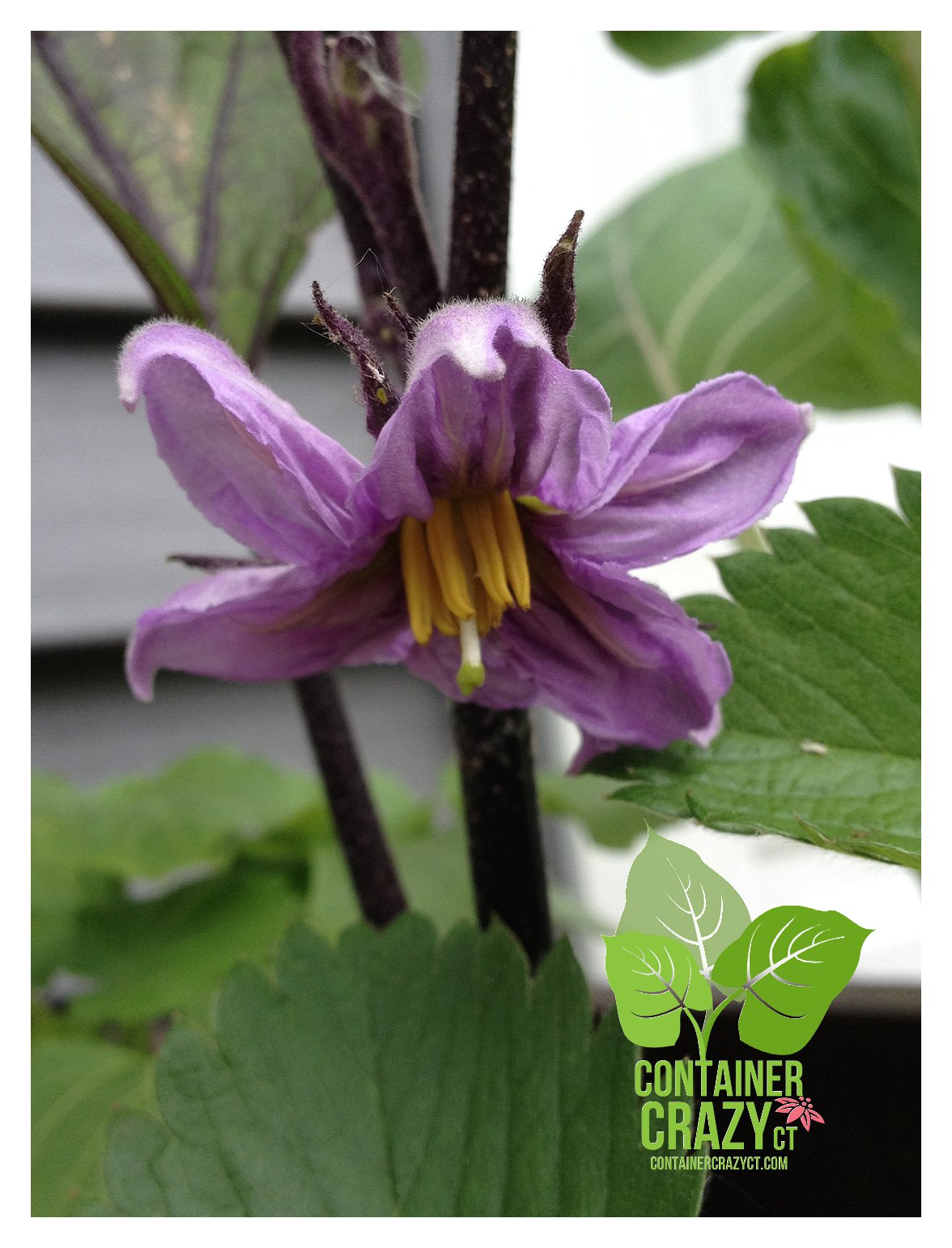
Happy Bloom on Japanese Long Eggplant

Happy Bloom on Japanese Long Eggplant Being Visited by Pest Aphids

APHIDS ON MY EGGPLANT BLOOM

If you take a close look above, you may see the little aphid bugs on my Japanese eggplant.

Aphids are very tiny pear-shaped insects with long antennae and tubes on their back-ends.  Some of the interesting tidbits about aphids are ants protect them because they enjoy their “sweet honeydew”, and they (aphids) reproduce faster than rabbits – the females do not need males to do so, and aphids vary in colors – not just green as the ones spotted on this plant.  To learn more about these little guys, see the CAES link.

Well, seeing them on my Japanese long eggplant flowers in my container garden was not pleasing. I’ve been using edibles in container gardens a great deal this season – and talking about it at garden clubs.  I am finding, however, the edible plants seem to get attacked by bugs much quicker than my tropical or annual plants.

To battle these aphids, I lightly sprayed the plant on a shady day when cool with a safe organic spray for vegetable plants (remember, don’t spray a plant when its very hot and located in full sun), and then a day later, I hosed off the leaves by using the garden hose with a watering wand at a good heavy pressure – it did the trick.  No more signs of the aphids since – and my first eggplant fruit growing right now on the plant – yeah!

I couldn’t really pick the small aphids by hand because they are too tiny, at the size of 1/8″ long.  And by the way, lady bugs are natural predators, releasing them can help if you can find the ladybugs from a garden center.

First eggplant

First eggplant

I potted up this eggplant plant along side an asparagus plant, strawberry plant, and would you believe, Brussels sprouts?! The asparagus added a nice soft texture with its fine and light foliage along side the coarse texture of the eggplant leaves, the strawberry plant is a spiller, and the Brussels sprouts – well, wow – what big texture those leaves have offered.

Eggplant with Mixed Edibles

Eggplant with Mixed Edibles

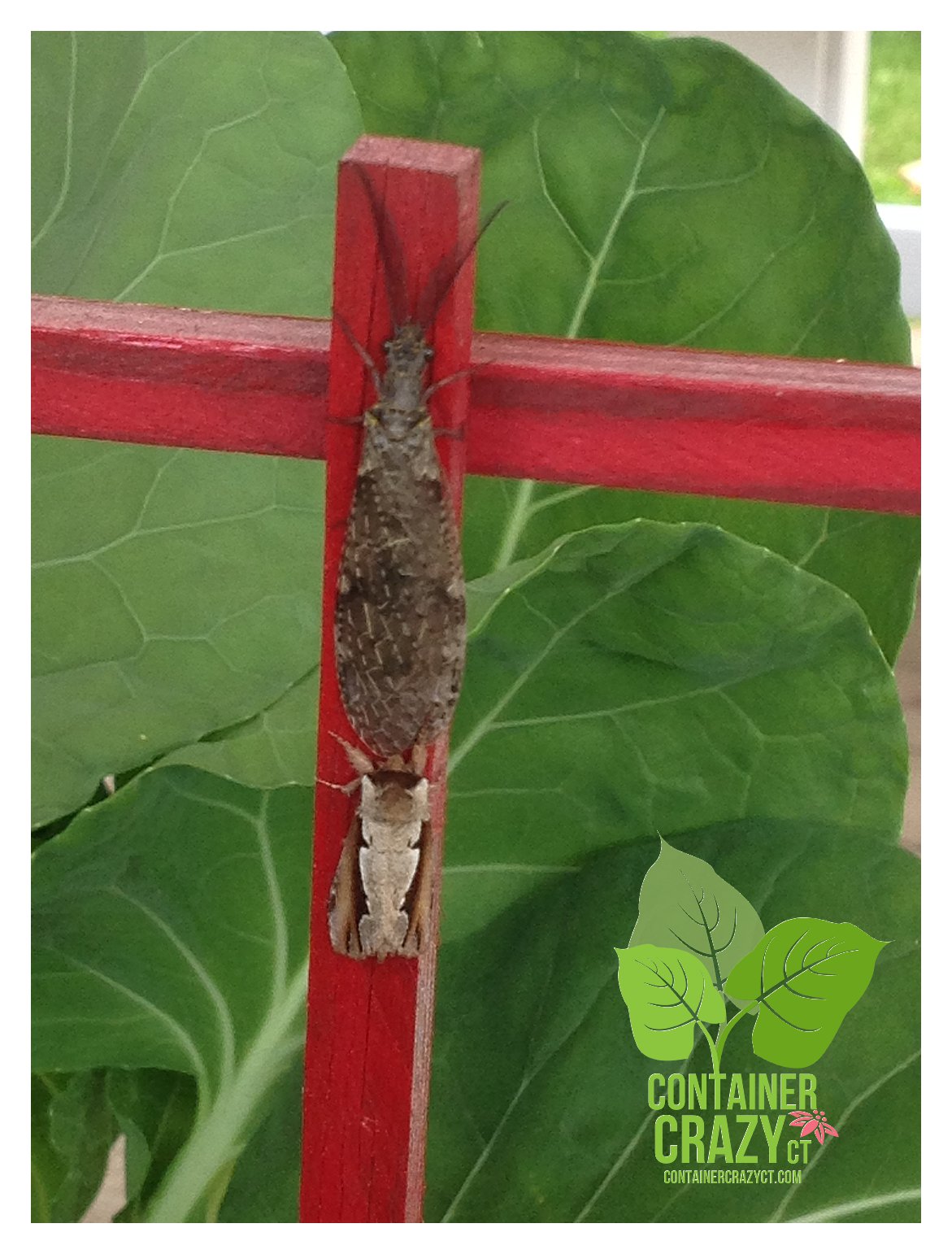
Earlier in June, I brought the container garden to the Ellington Farmers Market to show the combination during my talk about “Incorporating Decorative Edibles in Mixed Container Gardens.”  Well, low and behold, these two very interesting looking insects took their position on the red trellis in the pot – and stayed there all day during the market.  Thankfully they did not jump on me when I was driving home later that day with the container garden on my truck seat.  Not sure what they are, do you know?

Bugs on Trellis with brussel sprout Leaves behind it.

Bugs on Trellis with brussel sprout Leaves behind it.

MOSQUITO LARVAE IN MY WATER GARDEN

The other spot where I saw critters was in a water garden I have at home, which is a big galvanized feeding bin (for animals) filled with water and plants, such as elephant ears (Colocasia) or other water tolerant types, such as Cyperus papyrus (Tut). I put the plants in terracotta pots because they sink well into the water due to their weight and the clay is porous. Add some stones to the top of the soil of those pots so the soil does not escape into the water.  When submerging the pots, gently drop them into the water as to not disturb the soil too much.

Well, I should have known, tiny mosquito larvae started to grow in the water, and there were tons of them wiggling in the water one day.

To avoid this situation – you may try two things – place a mosquito dunk, which are not harmful to the plants, in the water, or just flush some of the water out occasionally with a garden hose so the water is not stagnant.  This is what I do. Later, no more larvae and no more bites.

Oh, when I was very young, I remember telling a teacher that I saw little things wiggling in a puddle at home. (Living on a farm, you tend to notice things like this – or I was just always fascinated with looking at things up close in nature.)  He told me to put them in a jar with water, cover it with plastic wrap and to bring it into class.  He set it on his desk and said, “Let’s see what happens.” A few days later, a bunch of mosquitoes were flying above the water.  A visual lesson for sure.

A PRETTIER INSECT

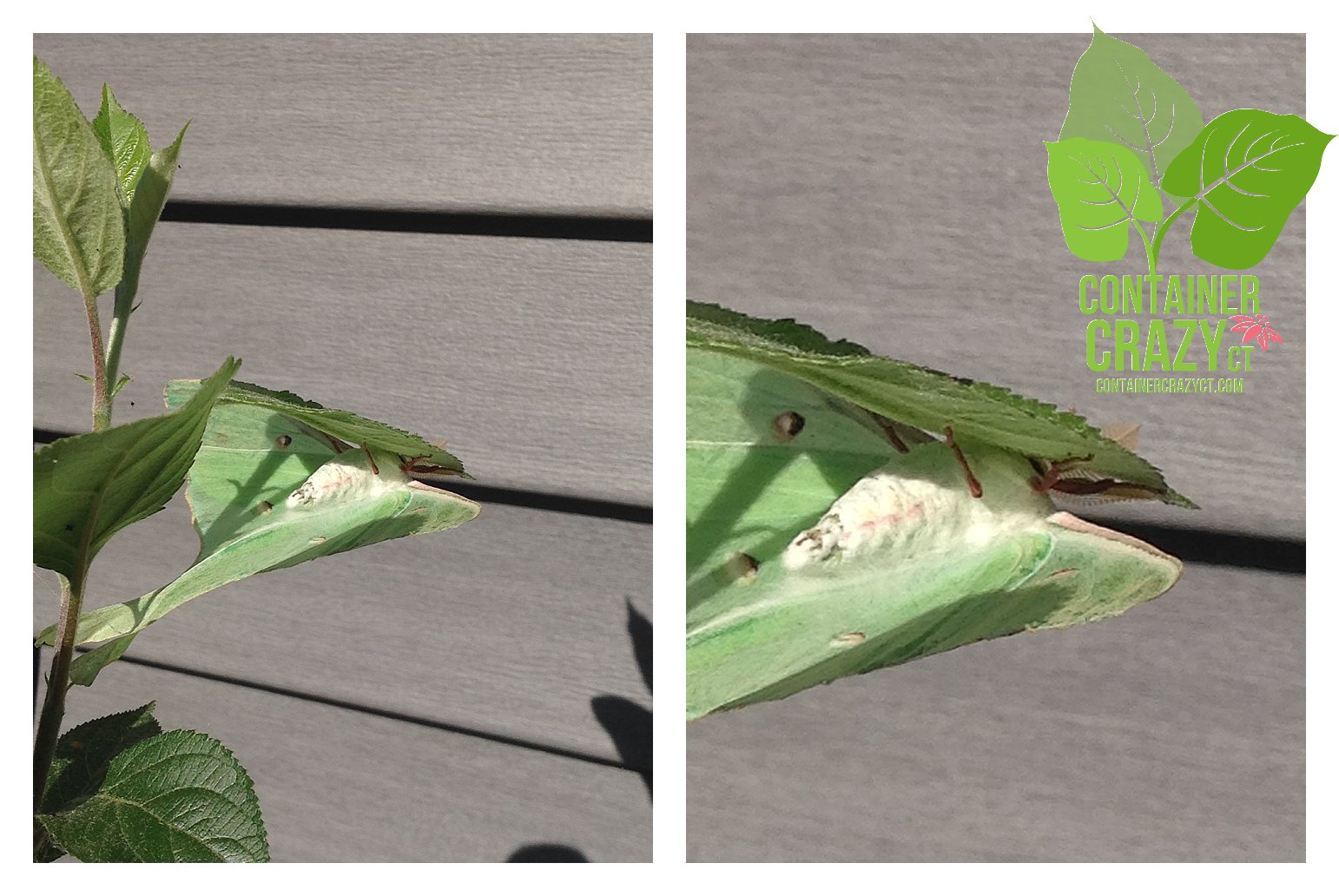
Fuzzy body of moth

Fuzzy body of moth

Another surprise sighting at my home this season was a Luna moth (Actias luna) on a apple tree in a pot.  As I was walking out to my garage, I saw a white substance on a leaf.  Well camouflaged, I didn’t see the wings of the moth at first.
I thought, “What the heck is that white fuzzy cocoon on my apple tree?”  (By the way, I often plant small trees in container gardens for a few years first – because I am crazy about container gardening, but it also can give a small tree some time to grow larger and stronger before I eventually transplant it to the ground when it outgrows a large pot – this way, I enjoy, learn and grow the plant first – as is the case with this apple tree.)

Insects ContainerCrazyCT_0015

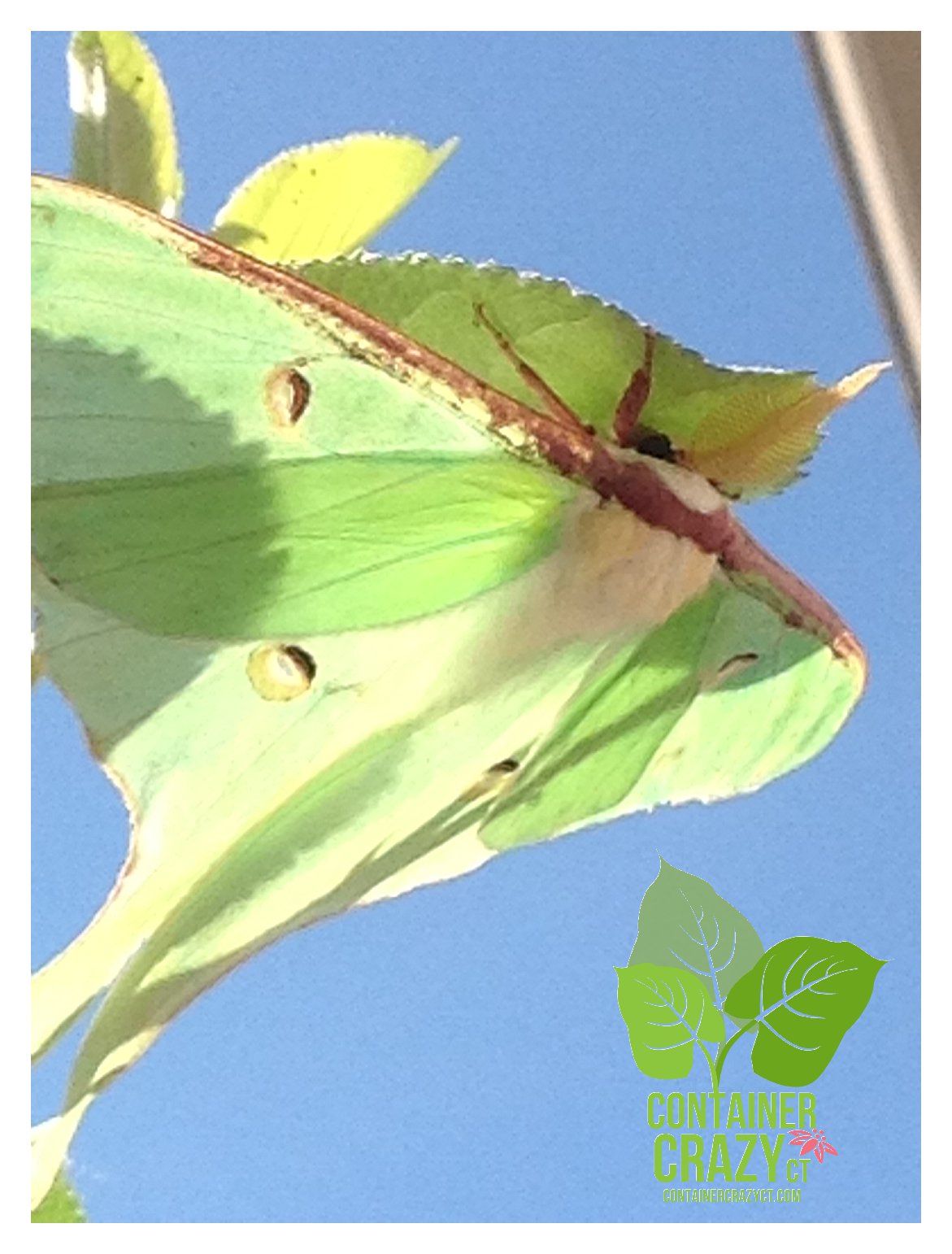
To my surprise, it was a beautiful moth and not an ugly insect!  This was in the early morning and the east sun was brightly lighting up its wings.  The moth was completely motionless, and not moving at all – this gave me the wonderful opportunity to snap more photos.

Luna Moth on Apple Tree hanging on the underside of a leaf

Luna Moth on Apple Tree hanging on the underside of a leaf

I tried getting photos from every angle, which was difficult to do because it was on the backside of the plant along the garage wall.  After repeatedly taking photos, I tried moving the pot but it flew away.

Insects ContainerCrazyCT_0009

Luna Moth on Apple Tree

Luna Moth on Apple Tree

SPOTTING FIRST JAPANESE BEETLE

I also just spotted my first Japanese beetle on a plant yesterday – it happen to be a watermelon plant in a single container. Those beetles, I pick up with my hands and squish on the ground under foot.  They never scare me – even when they grab tightly onto my fingers.  I guess this is because my father would pick them from his garden plants and put them in a jar – another memory from childhood – and sometimes, I would help him collect the beetles.  I also would chase my younger sister, Louise, around in our pool, when I would find Japanese beetles in our pool too – and she would screech at the sight of them.  She told me this game as children put a fear of those beetles in her for a lifetime – oh well, the things we do when we are kids – LOL! However, she also practices the “pick and squish” method in her own vegetable garden for insects not so scary to her.

East Windsor Farmers Market

East Windsor Farmers Market

ALL BUGS ASIDE

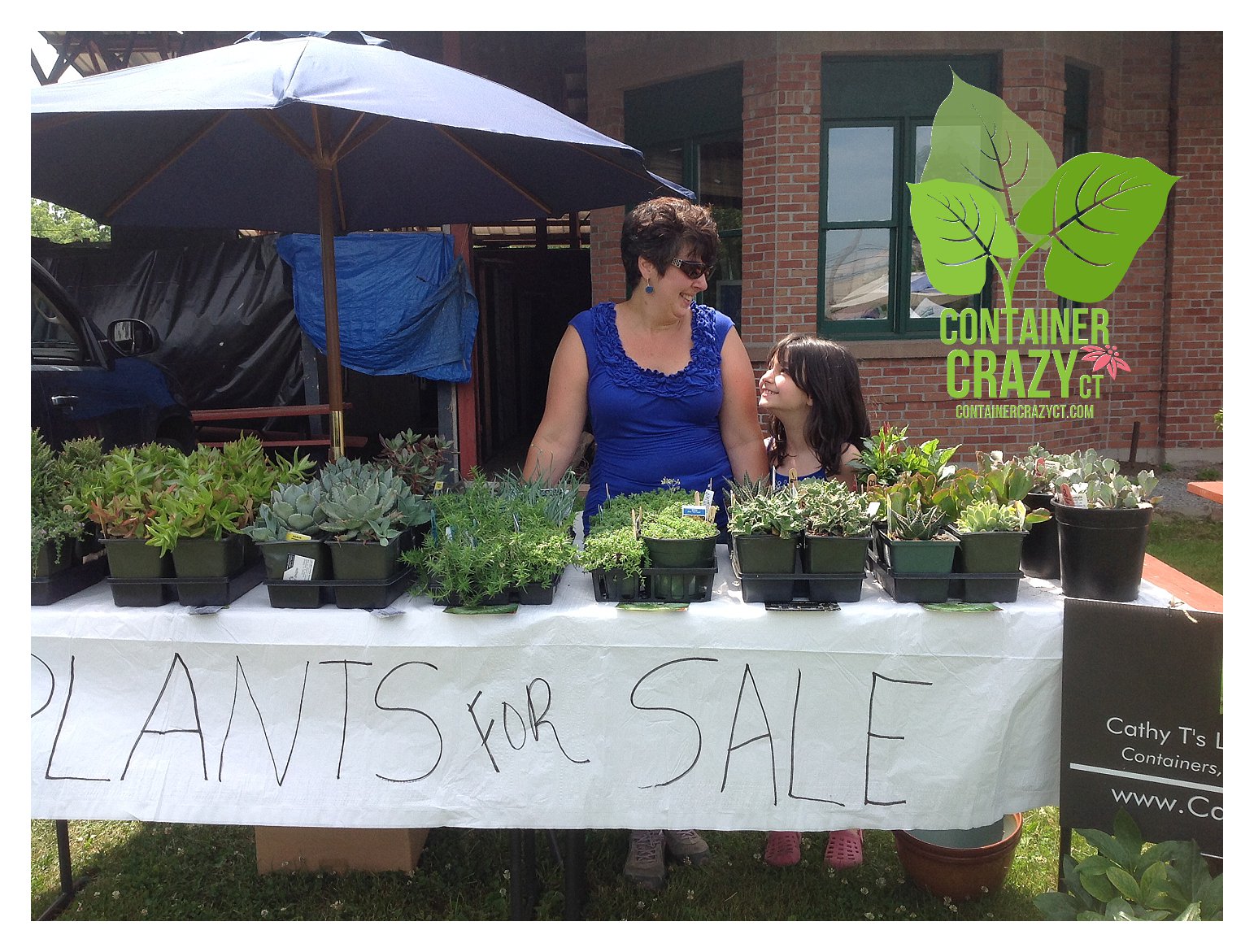
Last week, all bugs aside, I was featured as a guest speaker at the East Windsor Farmers Market on their opening day. Their market runs from now until October, on Sundays, 11 am to 2 pm, at the Trolley Museum off Rt 140.

My niece came for a visit – she loves to help me at the markets with my plants – and I love having her there.  We were goofing around, taking silly photos, and coincidentally, had matching blue shirts on.

See the next photo – this was my building at the market – pretty cool, huh?

Nope, just kidding – it was some sort of very old structure from the Trolley Museum next to my table setup.  I never got a chance to ask them what is was about, but it was sort of cool looking.  (BTW, if you go there, go see the old trolleys and even a few other interesting vehicles, such as airport shuttle buses built, but they were never installed at Bradley airport.)
The other cool thing about going to the market at this location is kids and family can take trolley rides on antique trolley cars as part of their day.  And, I did not know this – but there is a little movie theater inside the trolley museum building too – along with old cool trolley pics and more – so if you go, be sure to go inside as well as visit all the new vendors at this growing market in a great location – picnic tables and all.

Old Structure at the Trolley Museum

Old Structure at the Trolley Museum

AFTER THE MARKET

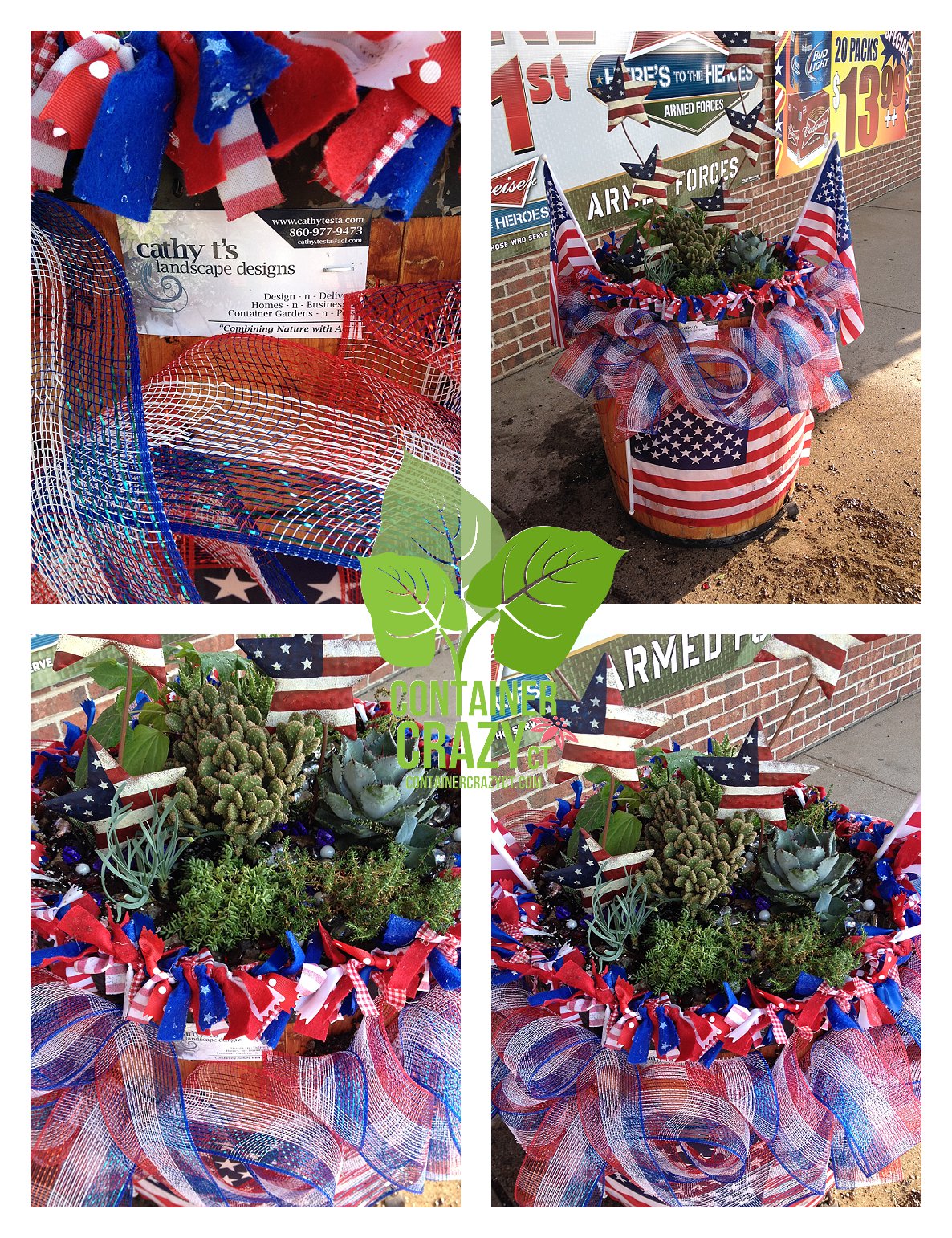
After the weekend, one of my first priorities was to update my client’s business store front with some red-white-and blues for the holiday and put a nice mix of succulents in the container gardens.  Cactic and succulents can be a little tricky to plant if they have spines and needles.  Just be sure to wear thick gloves and handle it by the root ball – and with some practice, you won’t get pinned, stuck, or aggravated by tiny spines.  I will say this however, whomever is putting their cigarette butts in my container gardens at this location – you will find a little surprise this time (hee-hee!). Fortunately, insects tend to not bother cacti and succulents much based on my experience, so they are useful for the non-insect people.

Client Barrels Decorated for the 4th

Client Barrels Decorated for the 4th

4th of July Succulents ContainerCrazyCT_0002

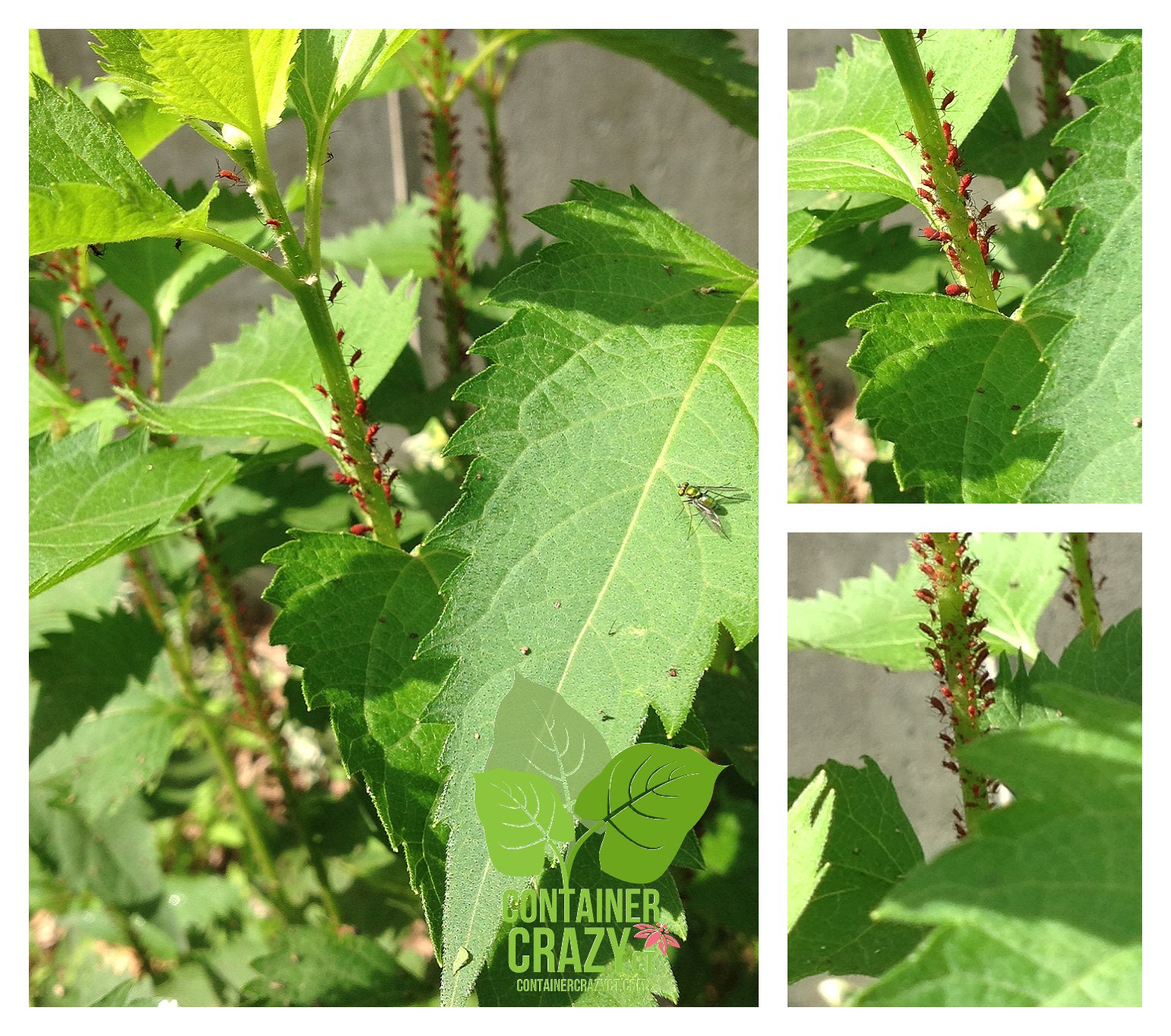
Oh by the way, what are these ugly critters below?  Saw these on a weed plant, so I pulled the plant out of the ground and took it to the chicken coop for the hens to deal with.  That’s another way to deal with insects.  Recycle to the coop…

More aphids or not??

More aphids or not??

Cathy Testa

860-977-9473
http://www.cathytesta.com
ContainerCrazyCT
containercathy@gmail.com

Condensed List- What You Can Do:

  1. Pick, Squish, Toss
  2. Prune away Plant Parts with Insects and Toss
  3. Pull Plant; Feed to Chickens
  4. Hose off with Strong Spray of Water
  5. Chase your Younger Sister around with them
  6. Lightly spray with Insecticide specific for plant and insects
  7. Get natural predators, like ladybugs and release near pest insects

Happy 4th of July Weekend Everyone – Hope it is filled with food, family, fun – and not many critters!

4th Photo Courtesy of Freedigitalimages.net, by nuttakit

4th Photo Courtesy of Freedigitalimages.net, by nuttakit

Upcoming Miniature Gardens Workshop – Details Posted for June 28th

2 Comments

Hello Everyone,

The next fun class on the Cathy T Class Series list is a Miniature Gardens Workshop by Rhonda Niles of Gardening Inspirations.  It will be held on Saturday, June 28th, 2014, from 11:00 am to 1:00 pm.

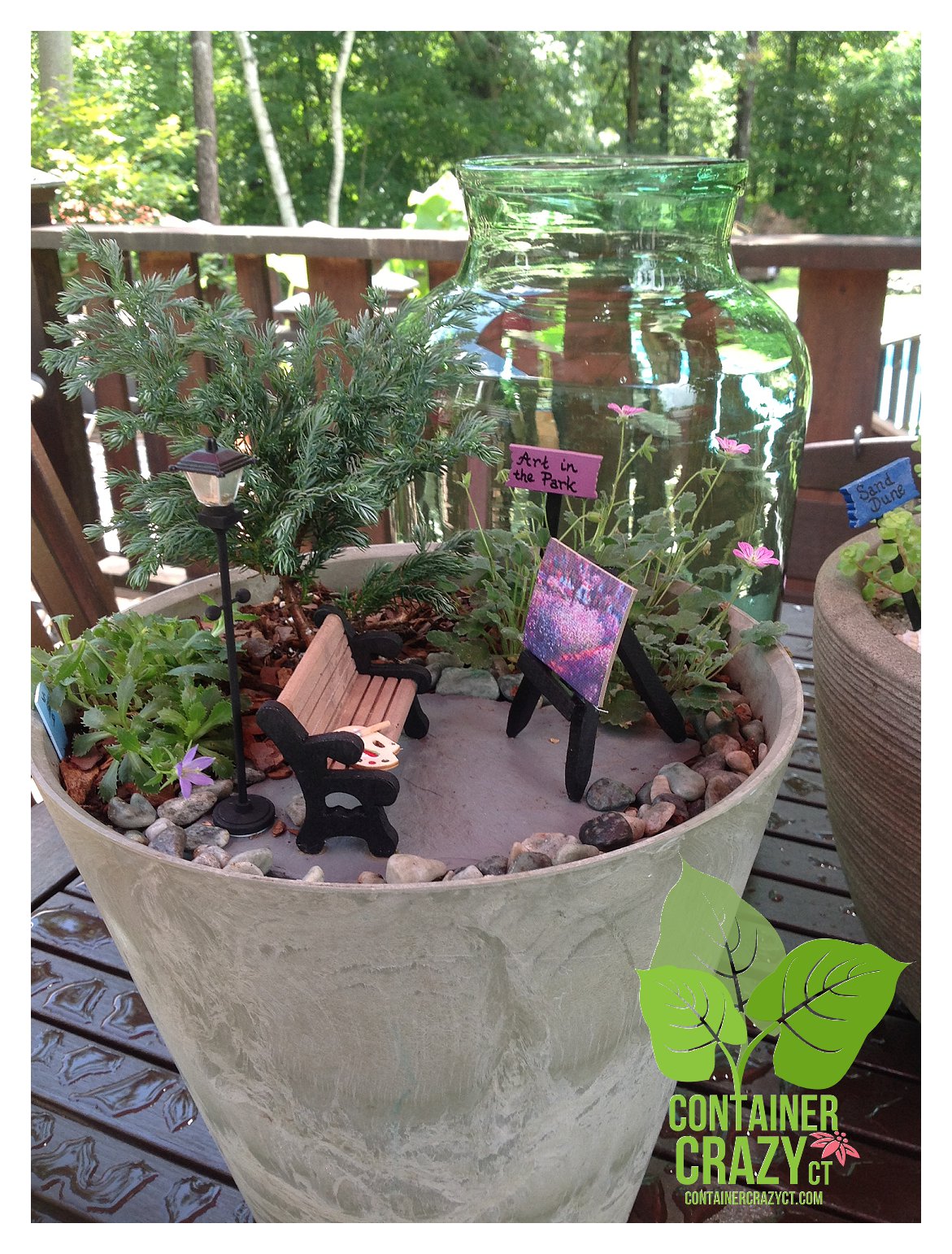
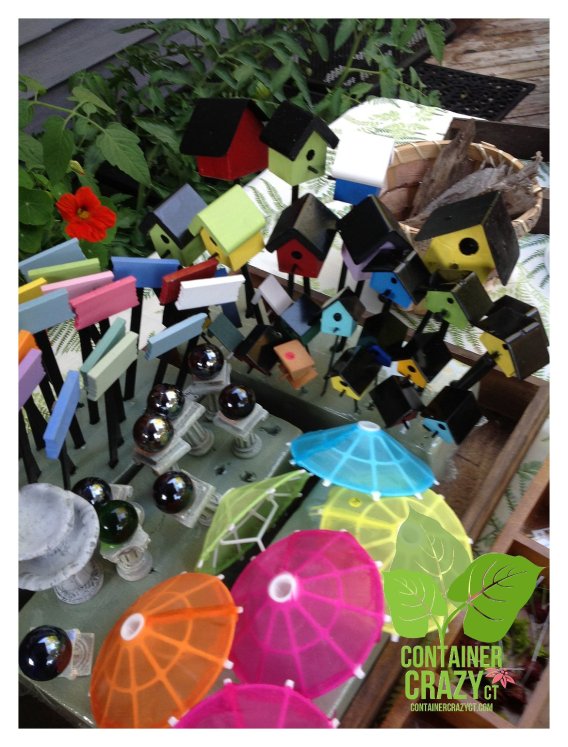
Miniature Garden by Rhonda Niles of Gardening Inspirations

Miniature Garden by Rhonda Niles of Gardening Inspirations

Nothing is cuter than a mini-garden creation on your patio table top outdoors during the summer season.  Just think – Your’s could be ready in time for the 4th of July weekend – because we are holding this session a whole two months earlier than last year’s workshop which was held in late summer – so attending and making your creation can be enjoyed even earlier this go around!

About Rhonda Niles, Our Featured Guest Instructor:

Rhonda is a horticulturist, accredited nursery professional, and advanced master gardener.  She has worked in various nurseries and garden centers, growing and selling plants.  She also has grown organic herbs and vegetables in her greenhouses for farmers’ markets.  For the last several years she has focused on miniature gardens in both New England and Florida.  She creates unique and artistic “dreamscape” gardens and miniature accessories for local craft shows, and especially enjoys teaching workshops for others.  She owns a business called, “Gardening Inspirations.”

About this Workshop

In this hands-on workshop, you will learn the secrets of designing, planting, and maintaining a miniature garden.  And you’ll have fun making your own endearing miniature garden for yourself or as a gift for a friend.  The best part is picking out your own plants and miniature accessories, the style of which are smaller, adorable versions of what you can realistically find in larger landscapes.  Plants used are low-maintenance and low light, including ferns and succulents.  You may wish to make a beach, serenity, woodland, or garden/farm scene, fairy garden, or your own creative vision.  New this year are healing stones and candles, which you can incorporate into your gardens. Photos of workshop can be found at www.facebook.com/GardeningInspirations.

Prior Attendees

Here’s a photo of a prior class.  We held the class on the deck, but due to a construction project, the class will be held on the driveway with tables and chairs provided.

An Attendees Works on her Miniature Garden

Attendees Works on their Miniature Gardens at Last Year’s Session

Classroom Location:

Cathy T’s Classroom is located at 72 Harrington Road, Broad Brook, CT 06016.

The class is held outdoors on a driveway in classroom format with tables/chairs provided.  If sunny, wear a gardening hat, use sunscreen, and note: some patio umbrellas will be setup for shade.  If raining, it will held in large garage on same day (no rain date).

Class Fee and Included Materials

Cost is $49 per person for the class, which includes three plants, instruction and all basic miniature garden supplies for your container such as soil, drainage rock, mulch, weed block, glue, as well as a materials credit for optional plants and miniature accessoriesRepeat attendees receive an automatic $5 off of the Class Fee.

Additional miniature materials may be purchased if desired, depending upon how elaborate you’d like your personal miniature garden to be.  There are plenty of materials to choose from with a wide selection of plants perfect for your mini creation.

New Feature:  This year’s workshop includes a new feature of “Healing Stones.”  Learn how these stones work at the class.

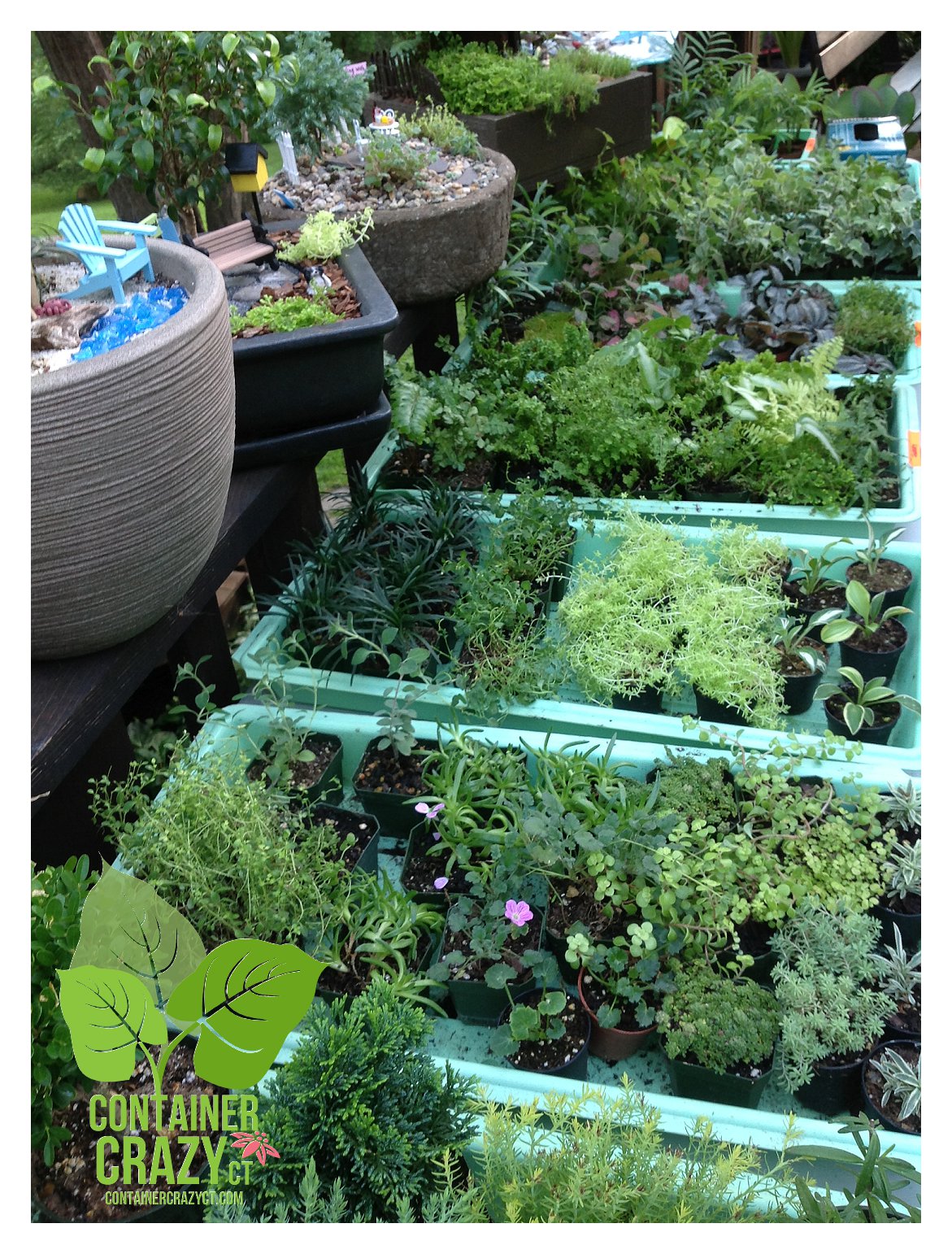
Plants by Gardening Inspirations for the Workshop

Plants by Gardening Inspirations for the Workshop

You Pick Your Theme

From fun farm animals to pool side umbrellas in mini style, you will have many creative options as you selecting a particular theme in this hands-on workshop.  Rhonda does an excellent job of providing lots of materials and explaining design layouts to achieve a great look.  She will cover the steps to care for and maintain your miniature gardens creation.

Creates by Gardening Inspirations and Attendees

Creations by Gardening Inspirations and Former Attendees

Bring Your Own Container or Purchase One at Class:

Participants are encouraged to bring their own container (a 10-12″ wide bowl, oval or rectangular pot, 4-6″ deep) to match their décor and tastes, although appropriate containers are also available for purchase.

Surprise Prizes!

As for all of Cathy T’s Upcoming Classes, when you sign up as a blog follower, you are eligible for Surprise Prizes given out at the class. Sign up today to join the other 590 Blog Flowers of ContainerCrazyCT.com.  See the menu bar on the right.

Miniature Gardens Workshop by R Niles_0003

For more information, see Cathy T Classes on this blogs menu bar above.  A class flyer has been posted with all the details.  Register today before the seats are sold out – See the Contact Form below to sign-up.

Looking forward to seeing you.  For any questions, contact Rhonda Niles or Cathy Testa.

Thank you,

Cathy Testa
http://www.cathytesta.com
860-977-9473
containercathy@gmail.com

← Back

Thank you for your response. ✨


Cathy T at the Ellington Farmers Market – Edibles, Succulents, and More

2 Comments

Good Morning Everyone,

In June of 2009, I was interviewed by Sarah Martinez for “Garden Center Magazine” about my Container Garden Parties at people’s homes, and one statement I made to her at that time was, “Holding these parties at people’s homes is a lot of work – but I enjoy it.”

Well, the same holds true today.

Last weekend, Cathy T’s Big Container Garden Party (Class) was held, and the plant feature was succulents, alpines and tropical plants – and again – it was a lot of work to setup, but so much fun.  Being with a group of attendees interested in creating and learning – well, it can not be beat.

Attendees listening to Cathy T's Tips

Attendees listening to Cathy T’s Tips

The opportunity to share what I have learned over the years about Container Gardens and plants presents itself again at the Ellington Farmers Market today in Arbor Park on Main Street in Ellington, CT.

Come see me at 10:00 am in the gazebo. (Note:  There are 2 gazebo’s on the property, one will have musicians, the other along Main Street is where I will be on the farmers market grounds.)

The market opens at 9:00 am and closes by noon.  It will be a fast paced day filled with goodies – including a talk on “Decorative Edibles in mixed Container Gardens” by me.  I hope to see you there today.

And because I have beautiful succulents and alpines in stock, I will have those available for sale too.  If you haven’t completed planting up your container gardens and patio pots – come see the goodies available.

Succulents, Alpines, and Cacti

Succulents are plants with thick and strong leaves and stems.  Because they are designed to store water during periods of drought – they are tough little plants.  Some are dainty and others offer bold and strong architectural forms.

Cacti are similar to succulents; they store water in their stems.  Some have areoles with spines, so they can be very strong and even dangerous if not handled appropriately, but so worth it in my opinion, for many offer values in design compositions in container gardens.

In my class last weekend, I went over the 7 ‘Must Not Do’s’ with Succulents, so if you want to know what those are – see me today or sign up for a future class.

Oh and alpines – well, they are just adorable little plants popular to use in rock garden settings, as ground covers, and in crevices — and of course, in big or small container gardens.  This small wired basket is a creation by an attendee last weekend, Linda.  Isn’t it as sweet as ever – so small but so cute.

A dainty creation with alpines by an attendee

A dainty creation with alpines and herbs by an attendee

Sometimes you get inspired when you work with small plants too.  Yesterday, I took snips and cuttings of various succulents and alpines to create this adorable, dainty tea cup embellishment for a table.  Want to give it a try?  All supplies, the vintage bone china tea cups, plants, and instructions will be available at the market at the gazebo.

Cuttings of Succulents in Vintage Tea Cups

Cuttings of Succulents in Vintage Tea Cups

The tea cup plate and cup on the left, by the way, will be available for purchase. These cups go for $20-25 dollars on eBay – I will have them for a deal at a limited supply so if you want one, arrive early before they are all sold out.

But succulents, as noted above, can be very edge looking, and another attendee at the class scored an amazing container – check this out!  Topped with a very large Sempervirens (Hens and Chick), alone it makes a statement.  Her tall silver GARDEN container will rock it outdoors, and is easily moved indoors over the winter if desired.  I think it was my favorite container style brought by an attendee this year – so fun to see what they find and design in class.

Lisa's GARDEN container rules!

Lisa’s GARDEN container rules!

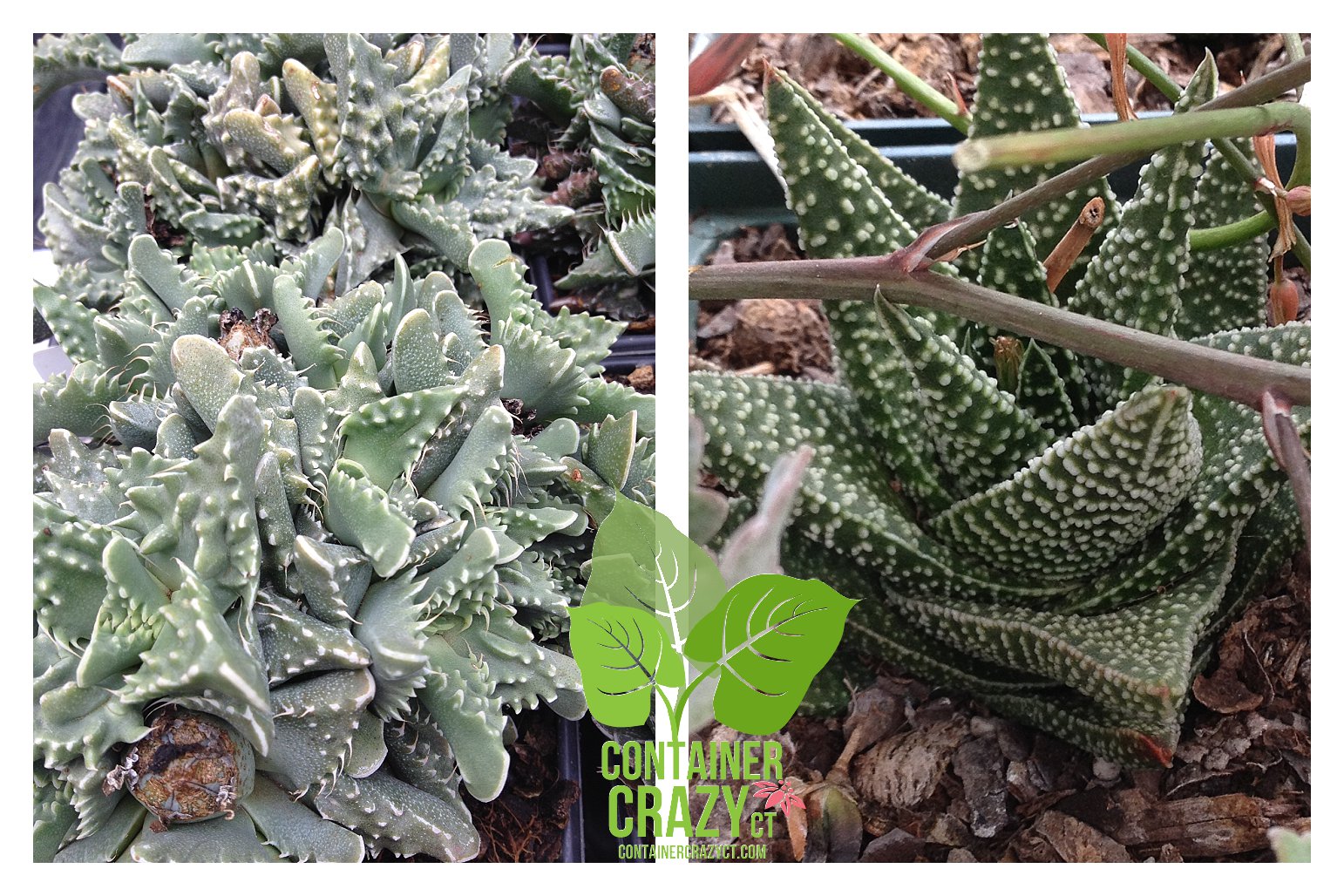
Succulents and cacti offer extremely different ranges of forms and textures.  Take the Faucaria tuberculosa on the left in the photo below.  This plant is a South African native and has the most interesting triangular leaves and it is a soft silvery blue color. This looks great with darker toned succulents in a pot, but it is also a neat form to work with.  It is a Zones 10-11 plant so perfect for the heat of summer and as a house plant in winter.  It is very easy to grow and will bloom yellow flowers in late summer.  The common name is Pebbled Tiger Jaws – perfect name, I would say.

Awesome forms and textures

Awesome forms and textures

And check out the plant on the right – Gasterworthia ‘American Beauty’ – it is NEW on the scene.  This is a hybrid of Gasteria and Haworthia pumila (maxima) grown by local growers in CT – and the rosette is stunning – patterned with spotting on the leaves. It is shooting up yellow flowers right now.  Both will be available for sale today at the market, along with many other types.

Two Types of Jades

Two Types of Jades

The plant with red edged leaves is a Jade plant by the name of Crassula arborescens – also NEW on the scene.  How can you resist this plant? – it has fleshy, blue-gray foliage and stands upright but full and mounded too.  It eventually grows to 3 to 4 feet wide, and I think they are stunning.  Also, a common Jade (as seen in the background), Crassula ovata, is in this photo – a common houseplant which I think looks amazing in head planters.  Go see my Container Garden Collages for photos of a red head pot to see.

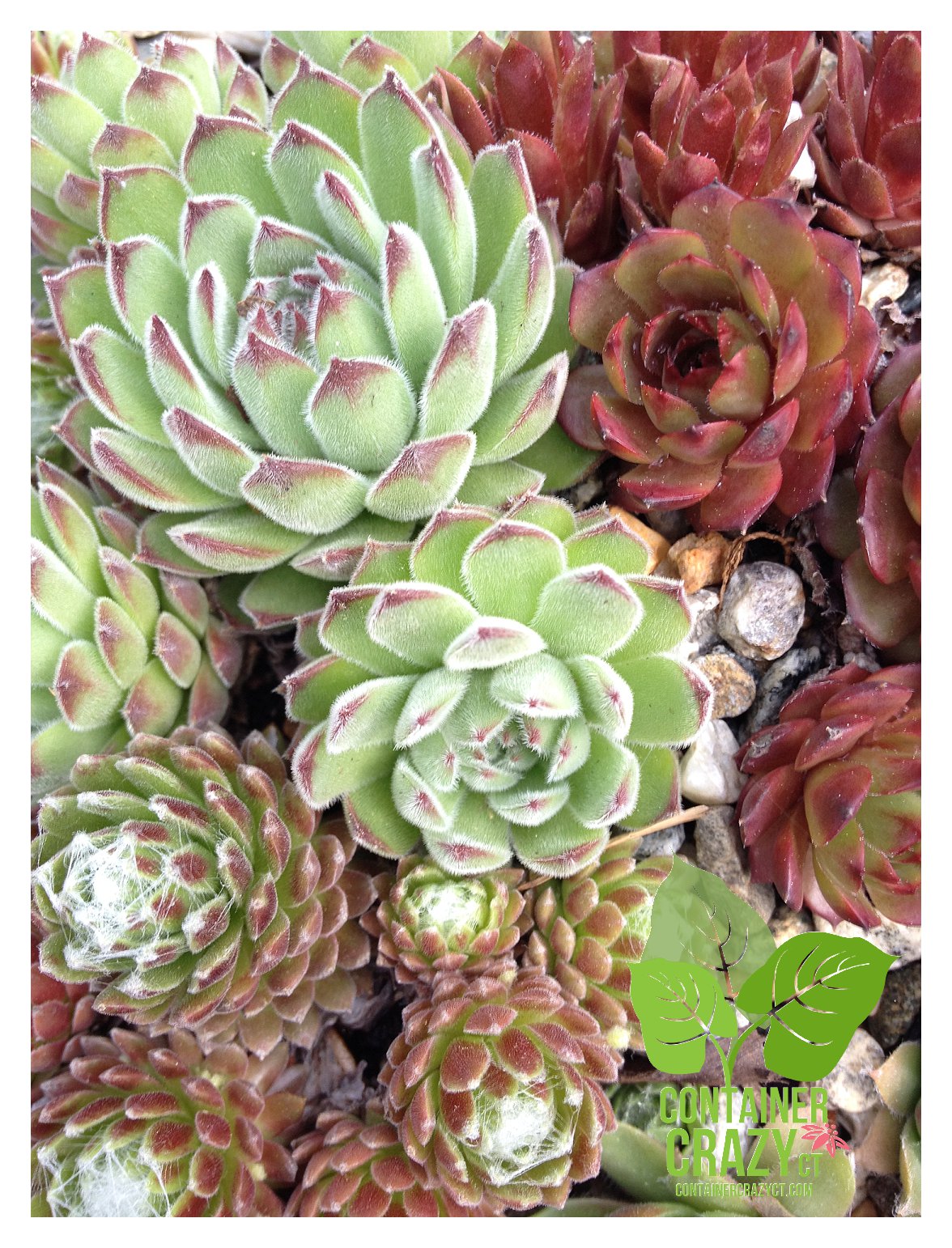
Hens and Chics

Hens and Chics

These are just ‘sneak peeks’ of today’s plant features.  Echeverias with a variety of colors and fleshy leaves tinged with colored edges will be available too.  The Genus name is named after an 18th century Mexican botanical artist, Atanasio Echeveria y Godoy – now you know why they are called Echeverias (a.k.a., Hens and Chicks).  And be on the look out for Agaves, Aloes, Kalanchoes, and other’s.

But now it’s time for me to sign-off and get ready for my day.

See you there,

Cathy Testa
http://www.cathytesta.com
ContainerCrazyCT.com
860-977-9473


Goofing Around with My Camera (Predators, Coop Renovation, Blooms)

4 Comments

I’ve been so busy preparing for this weekend’s class on Container Gardening with succulents, alpines, and cacti that I woke up at 2:00 am unable to sleep.  The excitement is getting to me, as it always does.  So, after tossing around in bed for another couple hours, I gave up and got up. I decided a distraction may be in order, so to continue my trend, I’m posting some general photos I took around my home, and here or there, related to gardening – and chickens – yes, have those now and we are enjoying our six hens.

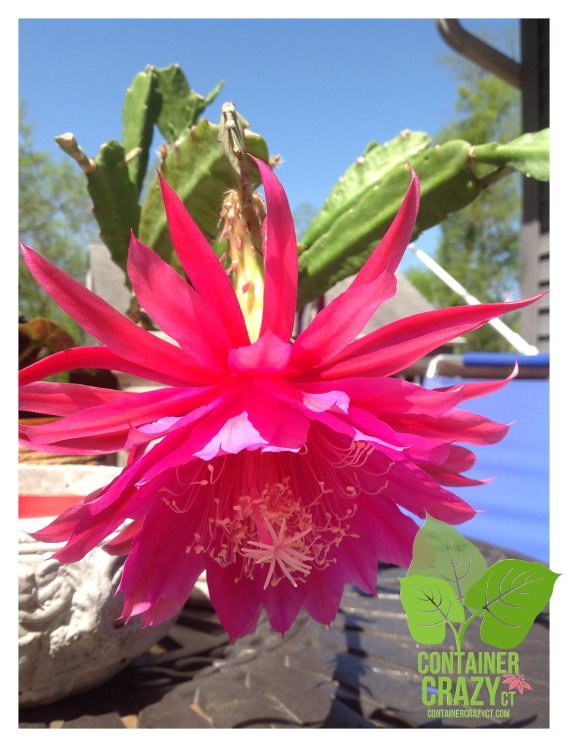
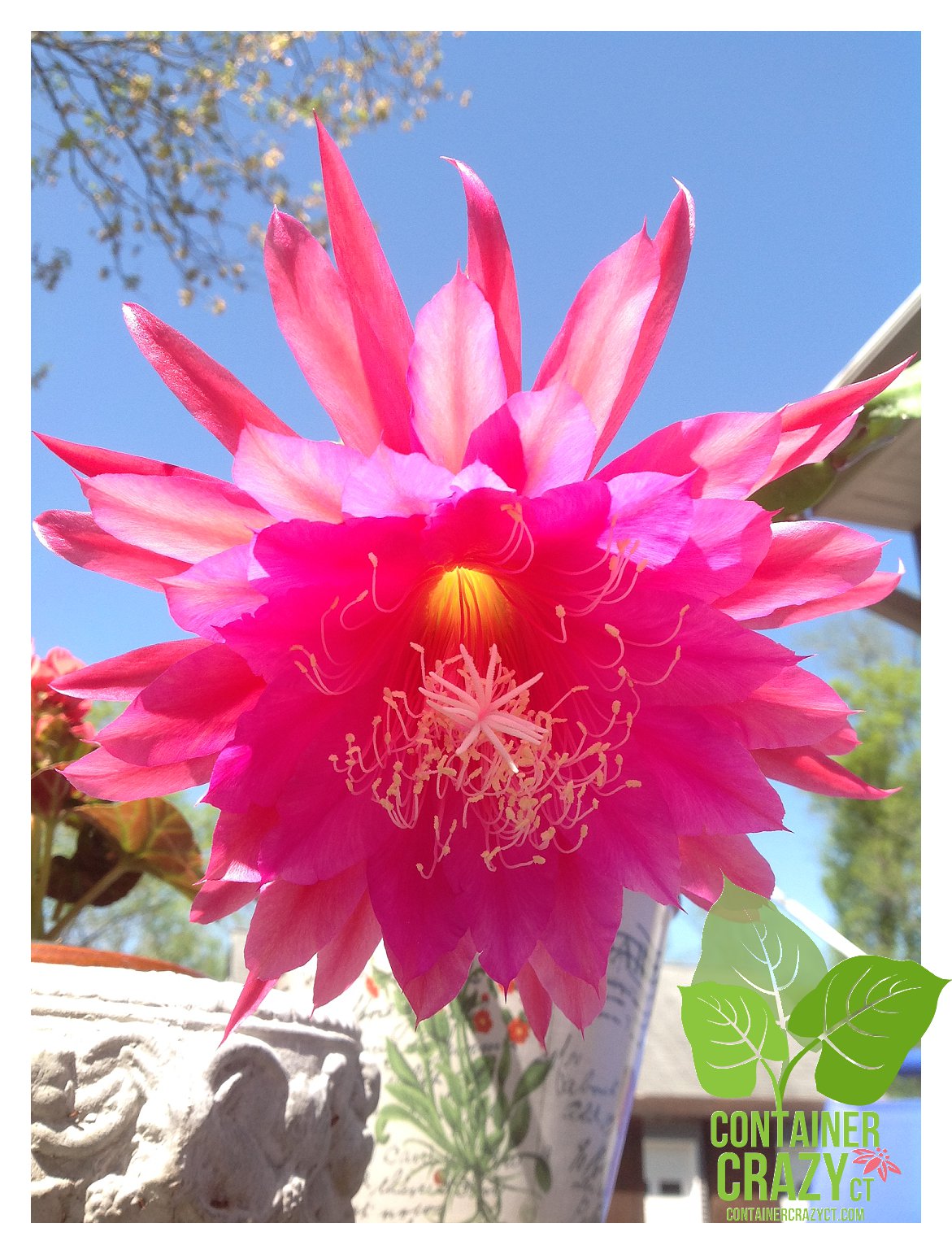
Orchid Cactus

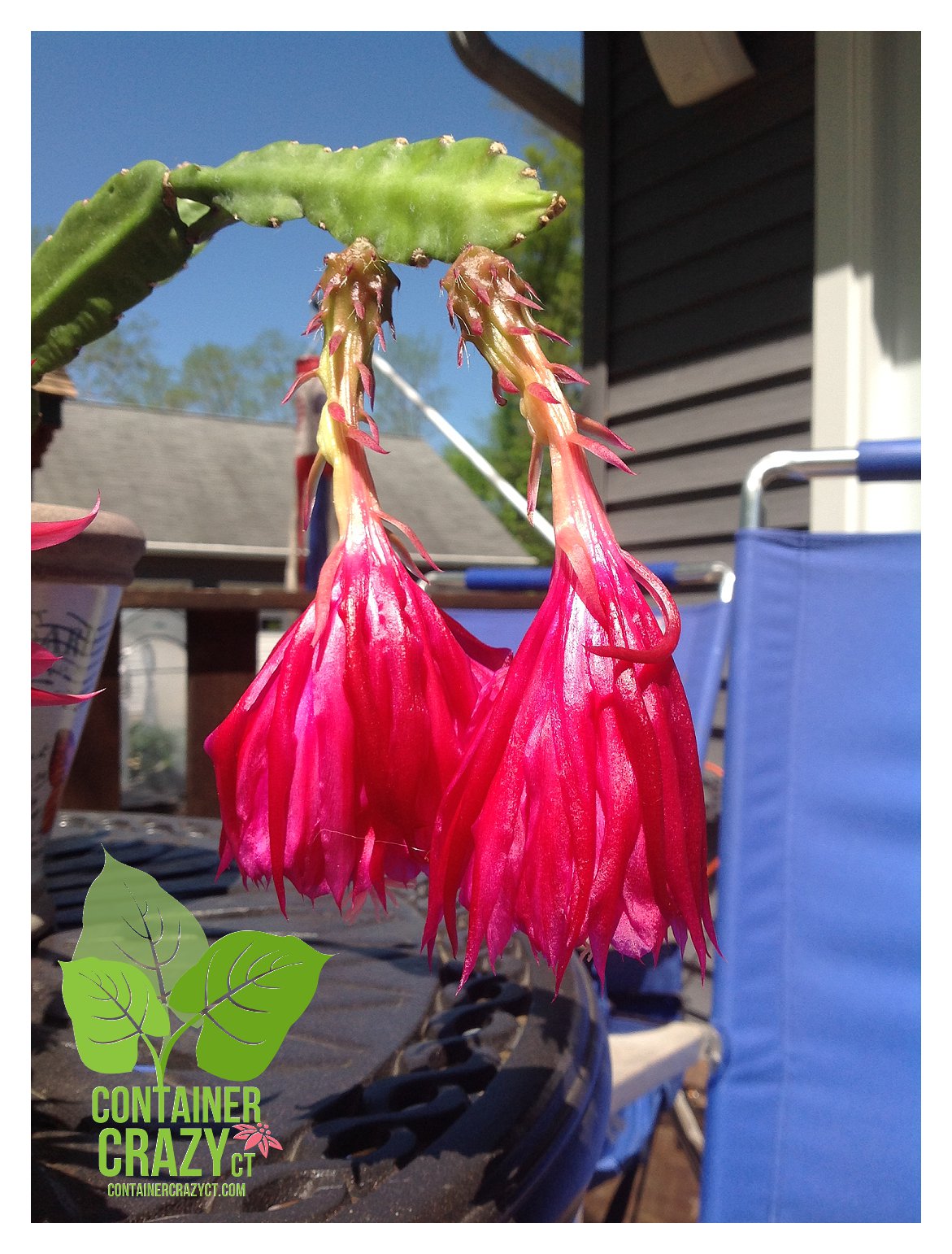
On a clear day last weekend, I took this plant outside to take some photos of its amazing bloom.  And geesh, is this not stunning?  I love the hot pink color against the clear blue sky.  Why haven’t I had one of these plants before?  I plan to research and blog about in detail later.  Do you have one or grow these?  If yes, I would love to hear from you.  The bottom photo is of two closed up blooms that finished their show.

Orchid Cactus Bloom

Orchid Cactus Bloom

Goofing w Camera_0002 Goofing w Camera_0003Take a Guess

Can you guess what this plant is?  As noted, they are tobacco plant seedlings.  Last summer, I asked a nearby grower of these if I could have one plant.  His response, well, no, I can’t give any away.  I wanted to remind him of the day his big cows came into my yard and rubbed against my Arborvitae trees many years back, and how I didn’t complain – Why? Because I grew up on a farm and have an appreciation of how cows can get free, running loose from time to time.  But his cows did major damage, so I tore the trees out without much of a word about it and moo’ed on.

Well, last winter, I happen to mention this story to a friend, and this spring, she text me to say she got me some seedlings of tobacco plants from a farmer friend of her’s, and she even dropped them off for me in this pot.  I thought, what an amazing gesture on her part.  Why, you wonder, would I want one of these?  Well, they grow fast, have large showy leaves, and I just want to experiment with it for the features.  Will let you know how it goes, it is time to prick these out and get them into individual pots.

Tobacco Plants

Tobacco Plants

Japanese Tree Peony

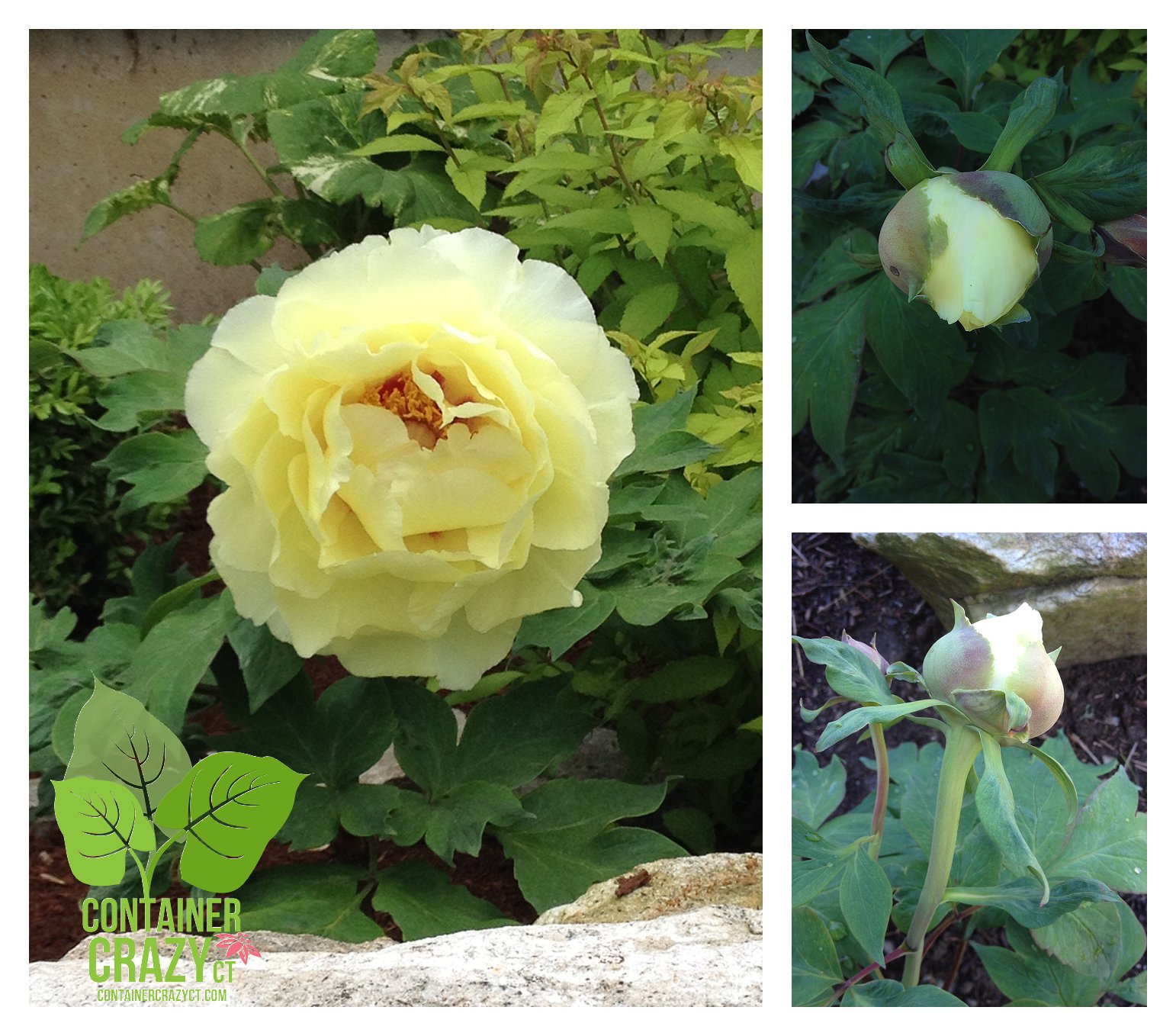
I finally got my first Japanese Tree Peony (Paeonis suff. ‘High Noon’) and I couldn’t be more thrilled with its show.  The yellow blooms are luxurious.  This one has an exceptional yellow flower and they are the double type which I prefer on Peony plants.

As the afternoon sun hits it, I just ooze over it.  It will grow to 48″ tall and is for Zones 4-8.  It was a little pricey, but worth it.  For those of you who do not know, these have a wood based stem and look more like a shrub when mature.

Japanese Tree Peony

Japanese Tree Peony

Goofing w Camera_0010

Iris with Honeysuckle

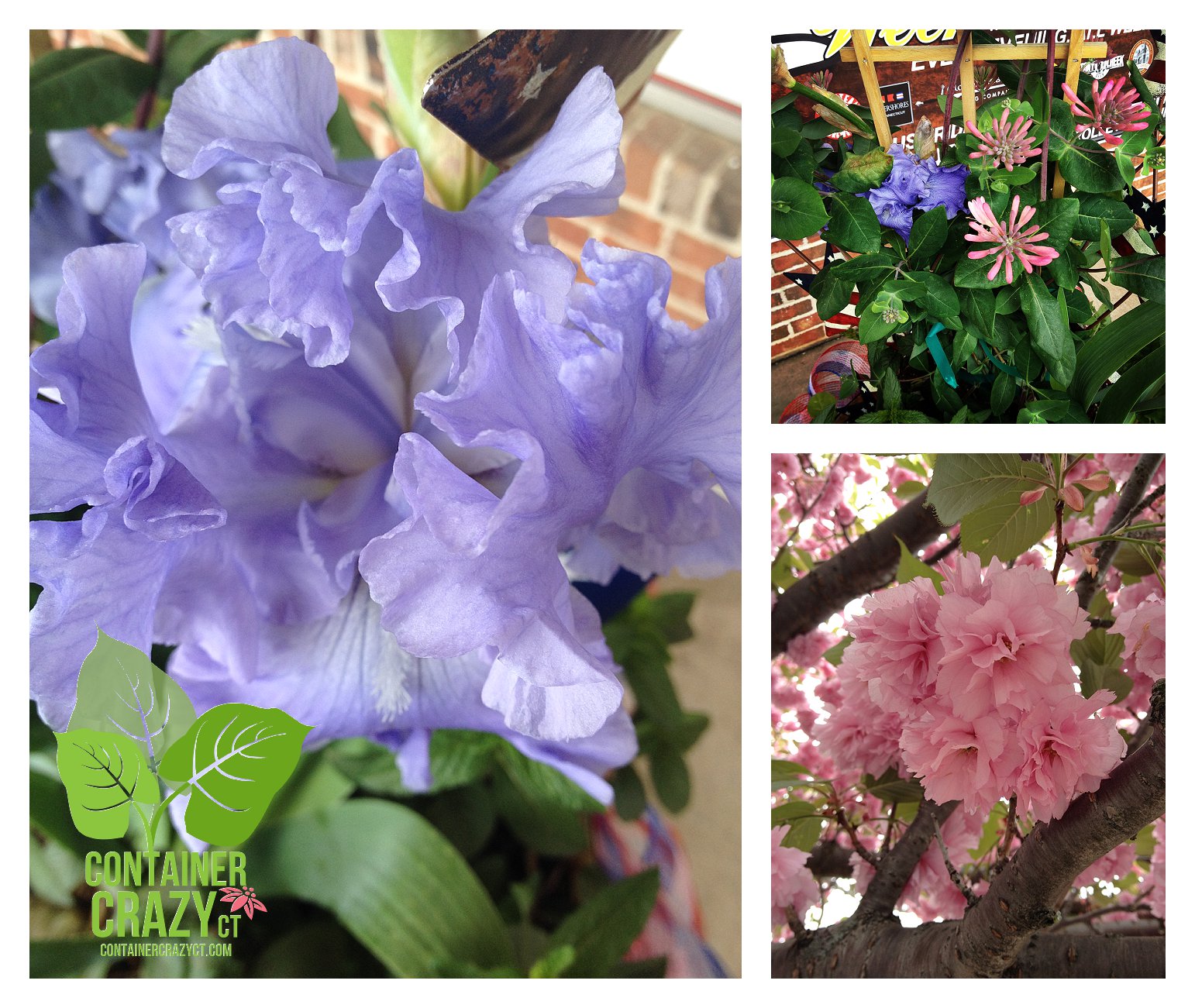
I planted a tall bearded Iris with honeysuckle and chocolate mint plants, one of each type in two large container gardens for a business client.  Imagine the scents in this arrangement?  The honeysuckle is Lonicera x heckrottii ‘Gold Flame’, a perennial with a vine and shrub like habit.  It is super fragrant with deep magenta blooms appearing in late spring through early fall.  It takes sun to part shade and I think the color looks spectacular with the blue blooms of the Iris ‘Abiqua Falls’. Ironically, I stopped at a local garden center this past weekend, and one of the owners told me someone had asked her recently what was in these planters – thinking her store planted them.  (Note to self: I have to get my sign in these containers!) I don’t like the look of a sign poking out of the containers, one of the reasons I haven’t done so yet.  Oh, the Iris is an award winner, prized for its large, sky blue blossoms.  The only problem with using Irises is they toppled over a bit, but luckily the trellis helped to anchor them back up.  In the bottom right photo is a Kwanzan cherry tree’s blooms which I took a photo of while on the road the same week as stopping in to check on these two container gardens.

Iris with Honeysuckle

Iris with Honeysuckle

Goofing w Camera_0008

Fold Up Cart

Taking a break from the flowers – I also wanted to show a handy cart I ordered, which folds up super easily.  It can hold a lot of items and rolls really well too.  For years, when I would go to a Container Garden Party to do my classes or for talks at garden clubs, I lugged heavy items into the building practically by hand.  This wagon so helped me this past Monday when I did a talk at the Vernon Garden Club on incorporating edibles into container gardens.  It folds in a snap and goes right into the back bed of my truck.  Love it!

Fold Up Cart

Fold Up Cart

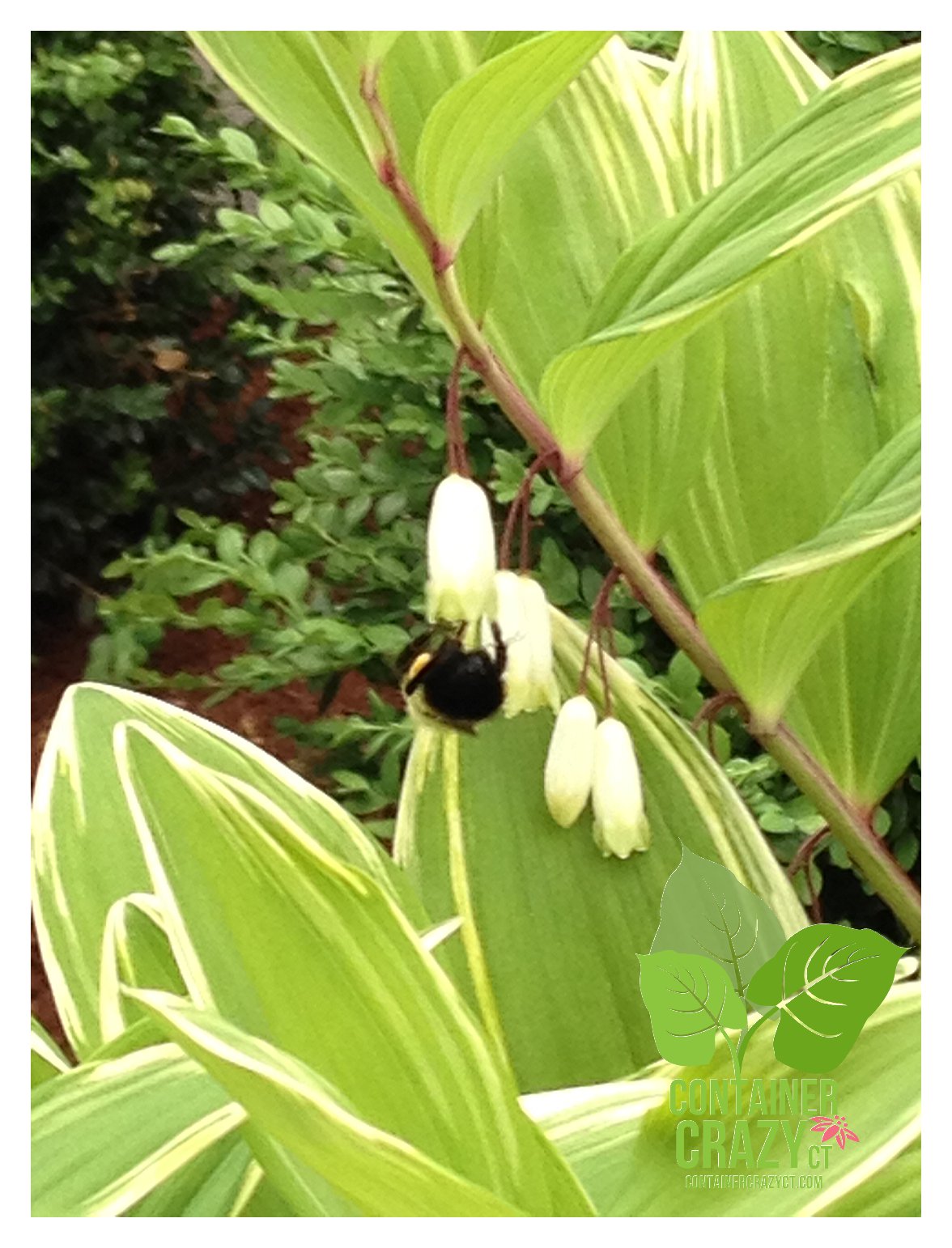
Bee on Polygonatum

I was trying to get a photo of this bee – but it came out a bit blurry.  This is a perennial I get CRS on every spring. I mix up the name sometimes with Polemonium which is similar but not quite.  However, I love my Polygonatums on the north side of my house in a shade area.  Their long and graceful arching stems are eloquent.  I divided up some and moved them to appear in batches in the bed and this year they look really great.  This makes a great woodland plant too and the dangling flowers are serving the bees coming by.  The foliage on this variegated one is very pretty, painted white on the edges.  This perennial prefers good moisture too.

Goofing w Camera_0011

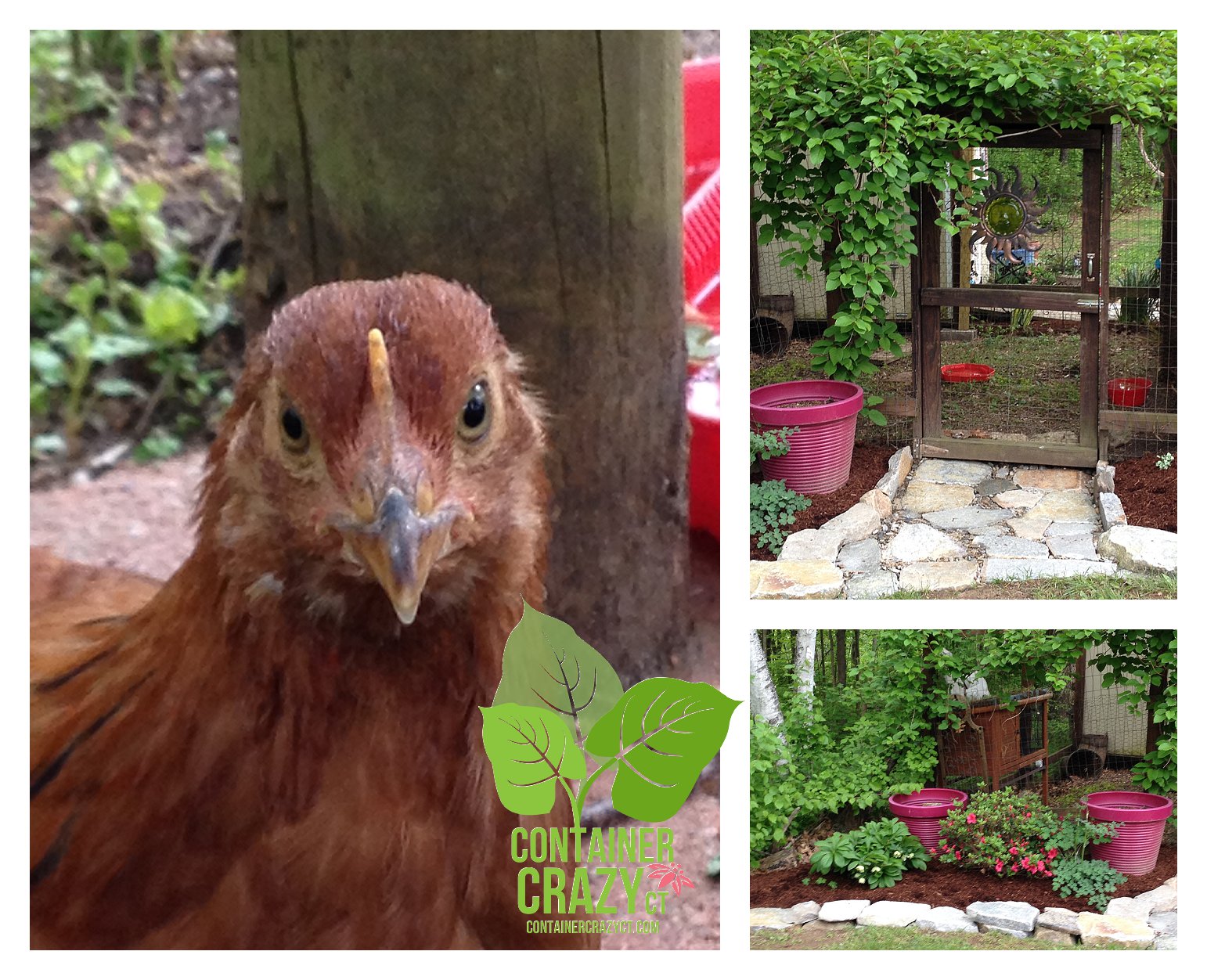
Stone Edging for the Coop

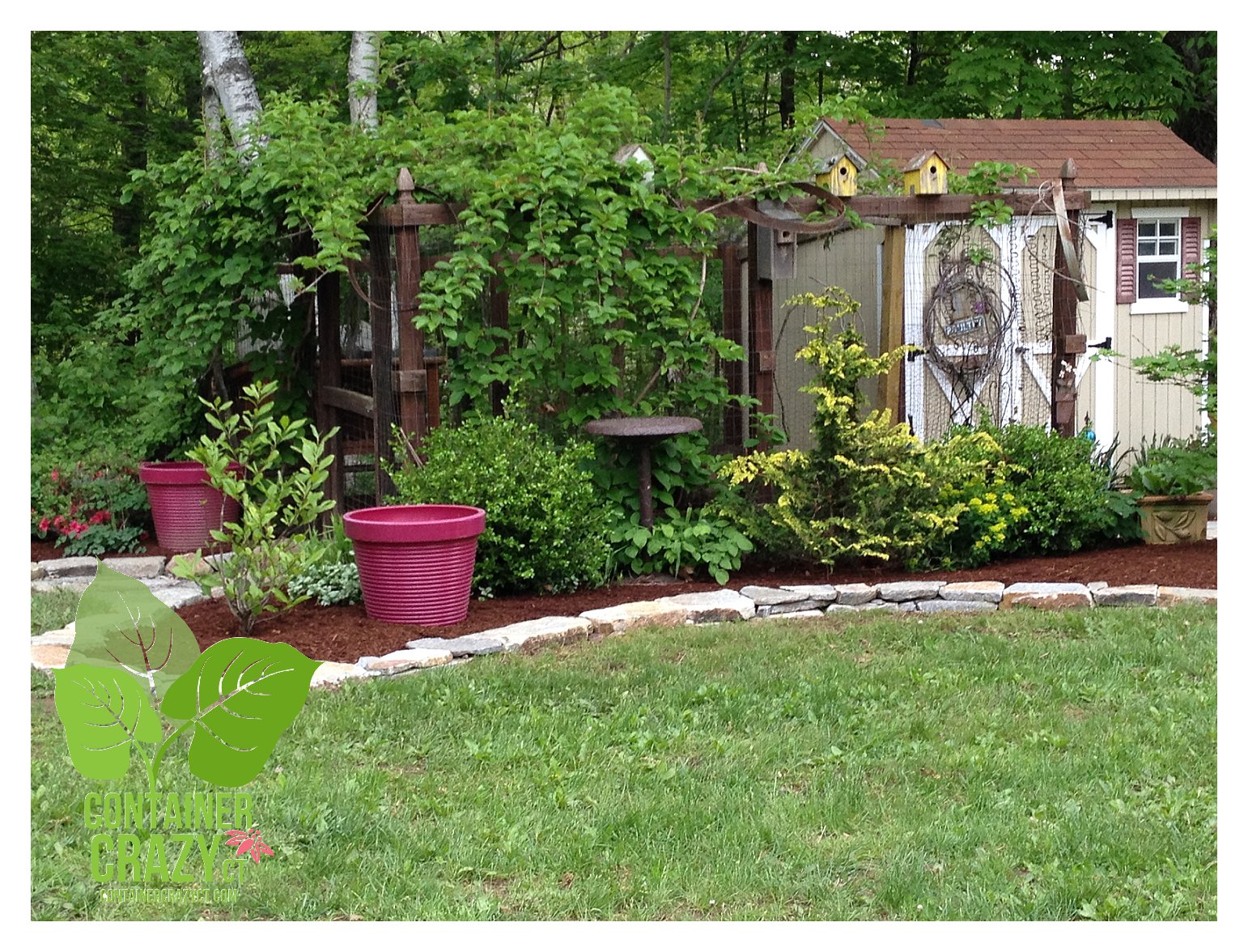
For years, I wanted to edge the area around my chicken coop – and my friendly landscape installer connection, Chris of Outdoor Creations of Ellington, obliged my request to have it done in time for this weekend.  I am thrilled with how it came out.  I like the natural look of this type of stone, and now I can have fun fixing up my plantings and adding perennials and container gardens to this area.  Talk about spoiled chickens!  Not only is their surrounding enhanced, they were fed grubs and worms by Chris as he was working on the building of the edge and mulching the beds.  He said they were fun to watch, and I’m sure they enjoyed his company while he was here.  Sparkles, the recently named chicken, agrees.  She’s the boss of my six Rhode Island Red hens, seen in the photo below.

Goofing w Camera_0017 Goofing w Camera_0015 Goofing w Camera_0014

Kiwi Vine Feeds My Chics

Two kiwi vines, plants several years ago, a male and female plant on each side as required for pollination, are above my pen area of the coop.  One day, Sparkles was jumping up to grab some leaves.  We caught her on our motion censor camera which we move around the house to capture photos of wild life – and predators, as you will see following this photo.  Look at Sparkle’s feet – she jumped right off the ground.  My first priority was to determine if this vine could be poisonous to the chickens, and thankfully, it is not.  They get a feeding of them every day now when I go visit, tearing some leaves off to toss down for them.  And, I think this will be the year we finally get kiwi fruit from these vines. I saw tiny buds on one plant, the female plant.  It takes about five years for them to bloom and produce fruit – so we will see.  The vines require a great deal of pruning to keep in check, it can overtake anything, and grows fast.  We removed branches off a tree above the pen area last year because the vines were twining up to it, so it has to be watched.  Feeding some leaves to the chickens will help, I think.

Kiwi Vine Above Coop Pen

Kiwi Vine Above Coop Pen

Wild Predators Don’t Take Long

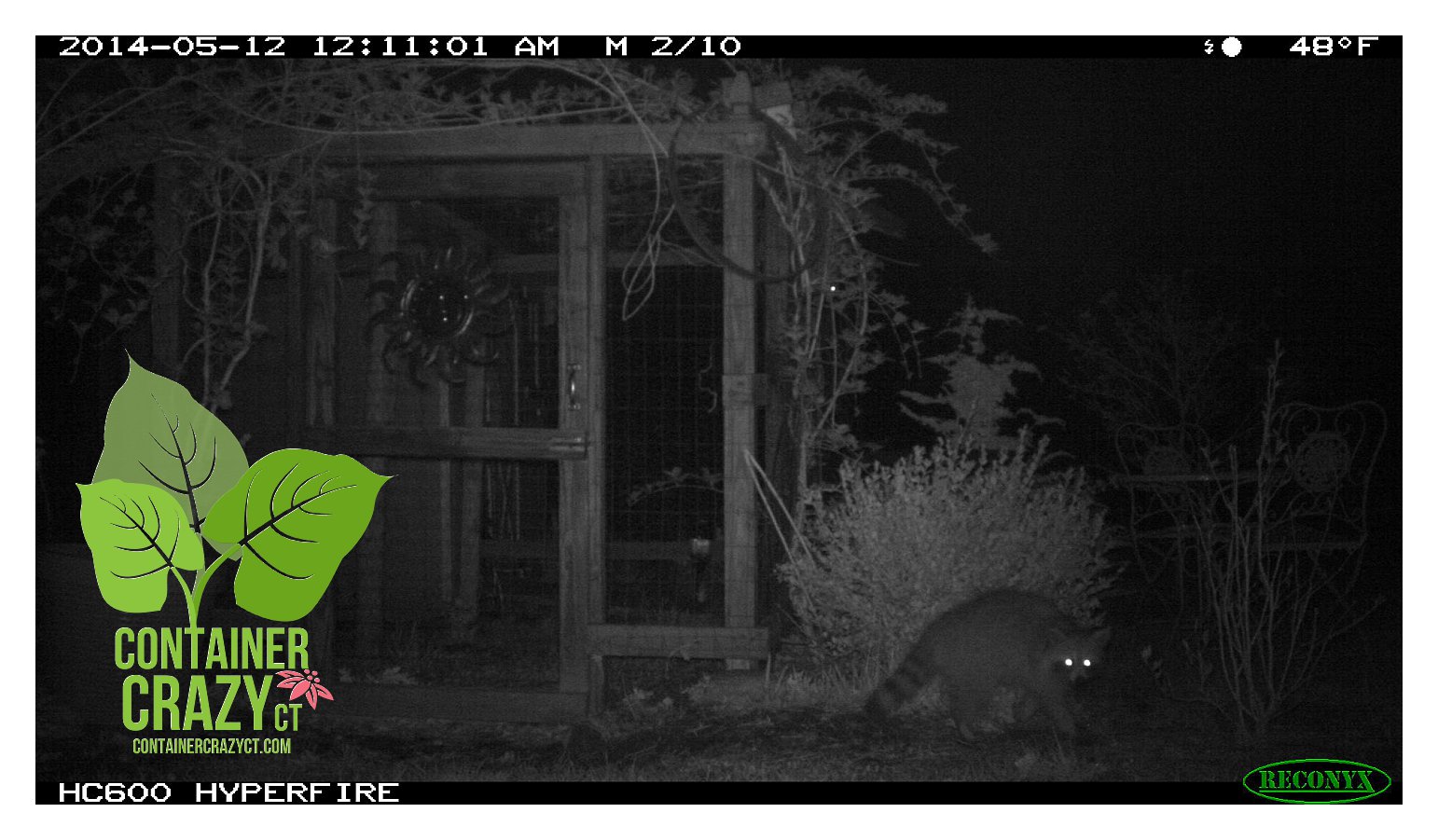
As I have mentioned, we attempted chicken raising here twice before, and gave up for a couple years.  The former chickens were allowed to free range, and got snatched by foxs, hawks – you name it.  But our new ones will not go beyond their protected coop and outdoor pen.  Since we have a motion censor camera, we set it up nearby to see what would lurk to investigate our new chickens.

The first week, we spotted a raccoon and coyote in the photos, and one early morning, I saw a fox running around the coop with something in its mouth.  Thankfully, it wasn’t one of my chicken.  We are sure to close their coop door every evening, and we are keeping a steady watch to make sure their pen is safe.  So far so good.  Kind of creepy to see the coyote checking it out.

Predators, first racoon, then Coyote

Predators, first raccoon, then Coyote

Goofing w Camera_0022 Goofing w Camera_0023

That’s all for goofing around with my camera.  Now, its time to get back to work.

Written by Cathy Testa
http://www.cathytesta.com
ContainerCrazyCT.com
860-977-9473


A Succulent of a Different Kind is Rescued – Aeonium arboreum

8 Comments

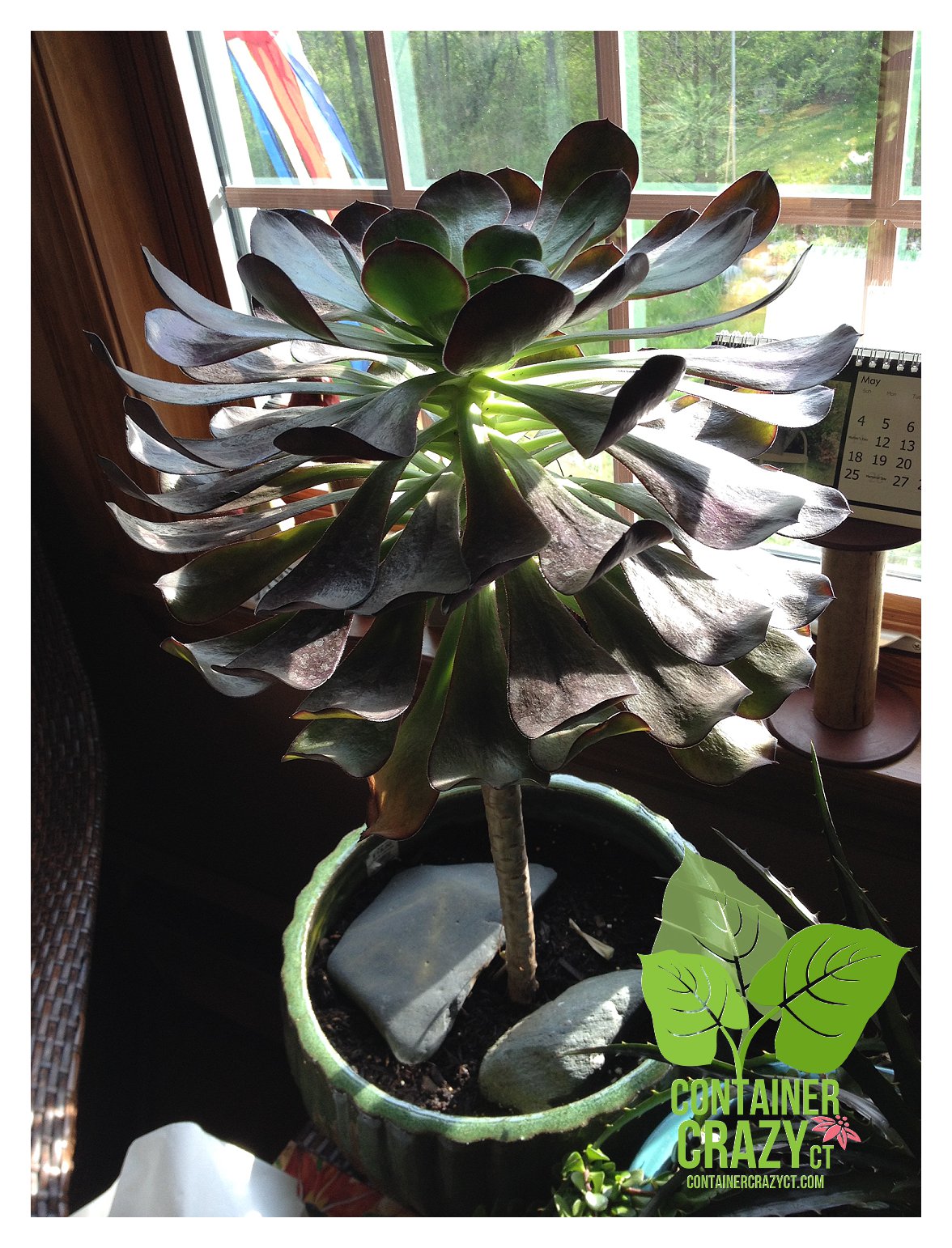
I recently rescued an Aeonium suffering in the confines of a small square terracotta pot at a garden center.  It was tucked on the floor below potting benches where it stood solo with no others like it nearby.  Spotting its dish plate sized rosette, I stopped to look it over.

Hand shows size of  rosette

Hand shows size of rosette

It was apparent this showy and tall succulent plant had been sitting there for a very long time.  The pot it was growing in was very small, much smaller than the diameter of the plant’s terminal rosette which was growing from a single stem of 15 inches tall.  And although the plant looked great overall with no signs of problems, the pot was tattered and was barely holding up this plant.

This particular succulent could easily be overlooked at the garden center if you are not a scouter of plants, such as I am.  Additionally, there was no plant label in the pot, so if you are unfamiliar with this different kind of succulent, you may have decided to leave it where it sat. However, I decided to return to the garden center to go get it and bring it home.

Original Pot - Ready to be Potted Up

Original Pot – Ready to be Potted Up

I instinctively assumed it was a variety called, Aeonium arboretum ‘Zwartkop’ or Aeonium arboretum var. artopurpureum, because of its dark plum colored foliage, but now I am not sure.  Only because the rosette is so large, I thought perhaps it is a cultivar unknown to me, or just a very mature ‘Zwartkop’ growing for some time.

Either way, the technical plant name is of no matter because the large size of the plant’s rosette is so spectacular, I know it will be a showcase in a container garden at my home this summer.

Potting It Up into a New Home

These plants should be repotted every two to three years. When Aeoniums get pot bound, they may send out additional aerial roots from the base of their stem, which was the case with mine.

The new pot selected should be a size up in diameter of the existing pot, or the plant itself.  Or it can go into a larger container garden with other mixed succulents sharing the same exposure and soil preferences. Either way, the container must have a drain hole, or perhaps two or three, for free drainage of water through the soil profile.

It helps to keep the soil moisture level regular for Aeoniums because their roots are fine and can dry out easily.  This is not to imply you should over water the plant. You do not want soggy soils for any succulents because they have the tendency to rot at the base when the soil is wet.  Most succulents or cacti can handle heat, drought, and dry soils from time to time because they store moisture in their leaves or stems during drought periods – which this one does, but it also is a bit different in regards to moisture levels because of its fine root system.

New Glazed Pot and Soil Mix

New Glazed Pot and Soil Mix

To help keep the soil at its best, use quality, fresh soilless mix specifically for container gardening or patio pots.  You may use soil mix labeled for growing cacti, but Aeoniums can also grow in regular potting mix for containers because it likes a bit of regular moisture.

Be careful when moving the plant to be repotted so you won’t bump into anything.  Gently remove it from the pot by holding the base of the stem.  The stem of this plant is fairly strong, but you do not want to risk damaging it during the repotting process.

As I removed it from the terracotta pot, it was very apparent there were some critters in the soil, such as sow bugs and centipedes.  These bugs like warm moist locations in the soil. I wanted to eliminate them as much as possible, so I gently removed away most of the soil from the plant’s root system.

Removing, inspecting the soil, and seeing the sow bugs

Removing, inspecting the soil, and seeing the sow bugs

In addition to seeing critters in the soil, there was an indication the soil was not taking in moisture anymore.  When potting soil is not renewed, it can actually repel water.  The soil in its original pot was moist only around the edges, and not in the center, so it was not permeating through completely.  It was just another indication the plant needed a new fresh growing environment.

Filling my new glazed pot almost to the top (about 2” from the rim) of fresh potting mix is the process I typically follow when potting up plants.  After it is full, I scoop out some of the soil to make a nice comfy pocket for the plant being transplanted.

Some people may fill the pot halfway with soil, place the plant in there, and then fill around the plant by adding soil up the rest of the way in the pot – but I prefer to make a pocket so the roots come into contact all the way around the plant.

Holding it down with stones

Holding it down with stones

This pocket process was especially important for this Aeonium because the rosette is so large, it was a little top heavy – especially because I removed the old soil from the roots.  To secure the plant better, I placed two large stones on top of the soil, adding a bit of weight there to help keep it stable until roots take hold.

I also added some slow-release fertilizer to the soil, and lightly mixed it into the top.  Always water any transplanted plants right after you are done.  Don’t leave it until later to give it a sprinkling of water – it will help to awaken the roots to the new fresh soil and get them established.

In a shady spot to drain after lightly watering in

In a shady spot to drain after lightly watering in

Succulents are Easy to Grow

Succulents can handle heat and drought, but as mentioned above, this species prefers some light shade for part of the day as it doesn’t really like super hot summers or very humid weather.  They like a mild cool weather which may seem odd because many people think of succulents as heat lovers, but some do well in moderately cool weather, and Aeoniums are one of them.

If you see the leaves curl when this plant is outdoors in summer, it may be an indication you have it located in too hot of a spot.  Relocate it to where it gets a break from the heat, a part-sun area or where it will get bright sunlight such as under a patio umbrella, and all will be fine.  And also remember, moving any tropical like plants outdoors after being inside for the winter should be done so with care – putting them in a shady spot for a day or so.  Foliage can burn when put into direct sun immediately.

The many different textures and forms of succulents are fun to combine in mixed container gardens and patio pots.  And ‘Zwartkop’ cultivars are especially useful because they have a dark coloring which works nicely against other light colored succulents, from the soft silvers of Agaves and Senecios, to bright yellows typically seen on succulent plants, such as Sedums.

The older, lower leaves on most Aeoniums will wither and fall off.  If they turn yellow and are unsightly, you can easily snip them off with a pair of common household scissors before they drop if you prefer – and sometimes they pull off easily by hand.

Tight Rosette in the Center

Tight Rosette in the Center

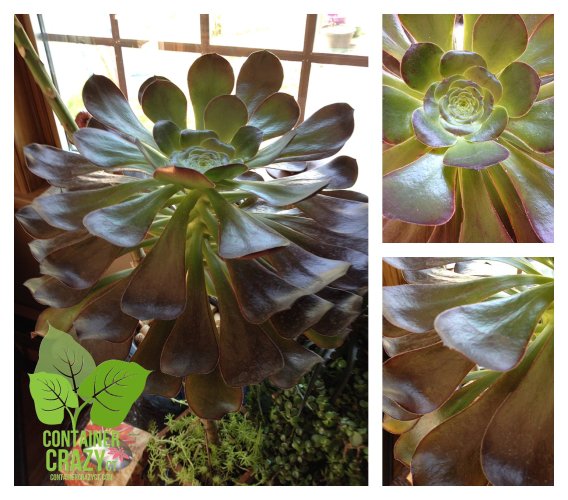
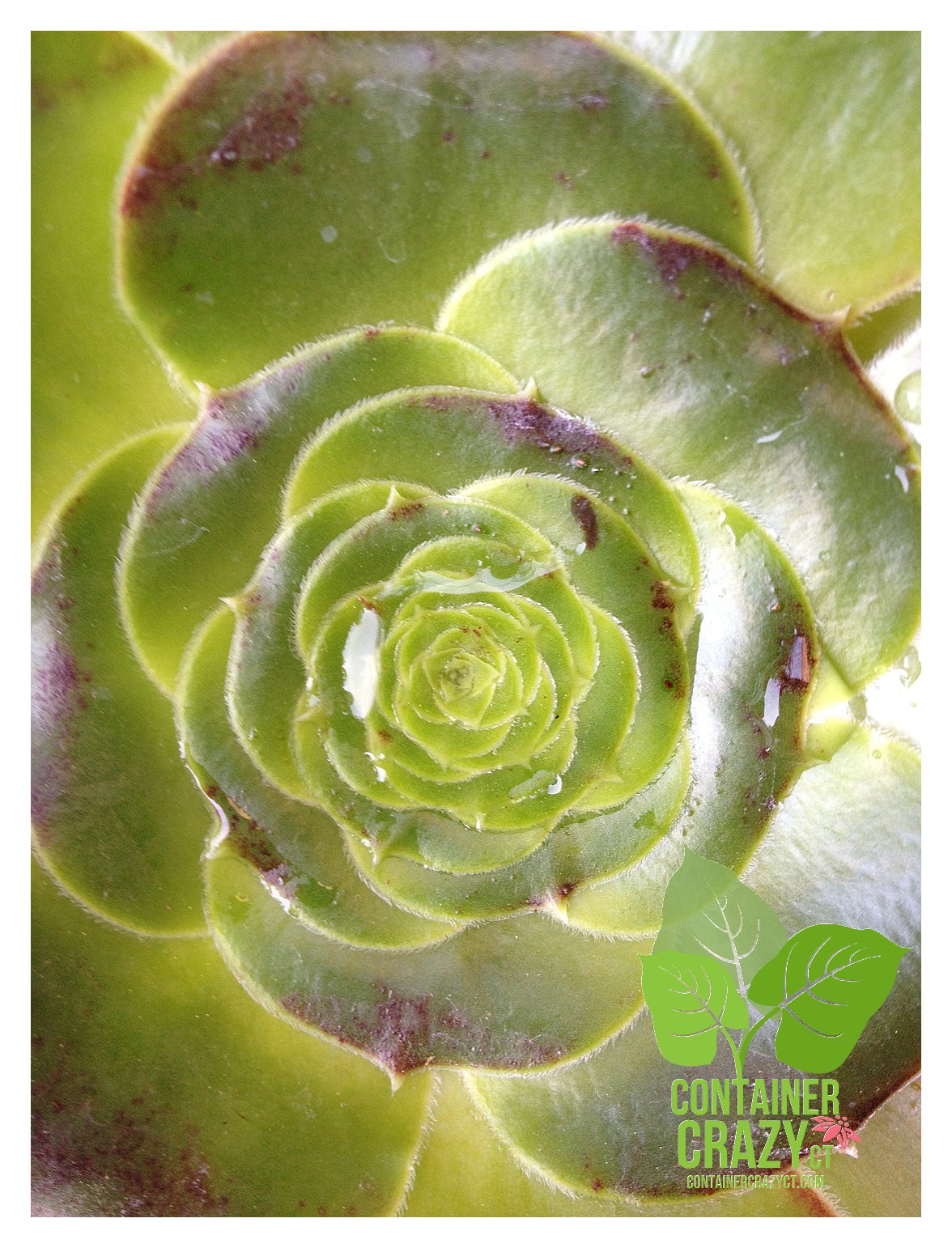
The top of the rosette stays tight in the center, and the foliage directly below it is usually more spaced out.  A lovely feature is the very center of the rosette.  It can have a tone of yellow or green, more prevalent when the plant is grown in part shade.  When in full sun, the coloring is more on the darker plum to black side.  Water droplets on this plant’s rubbery foliage can be very pretty too.

Different Growing Habits

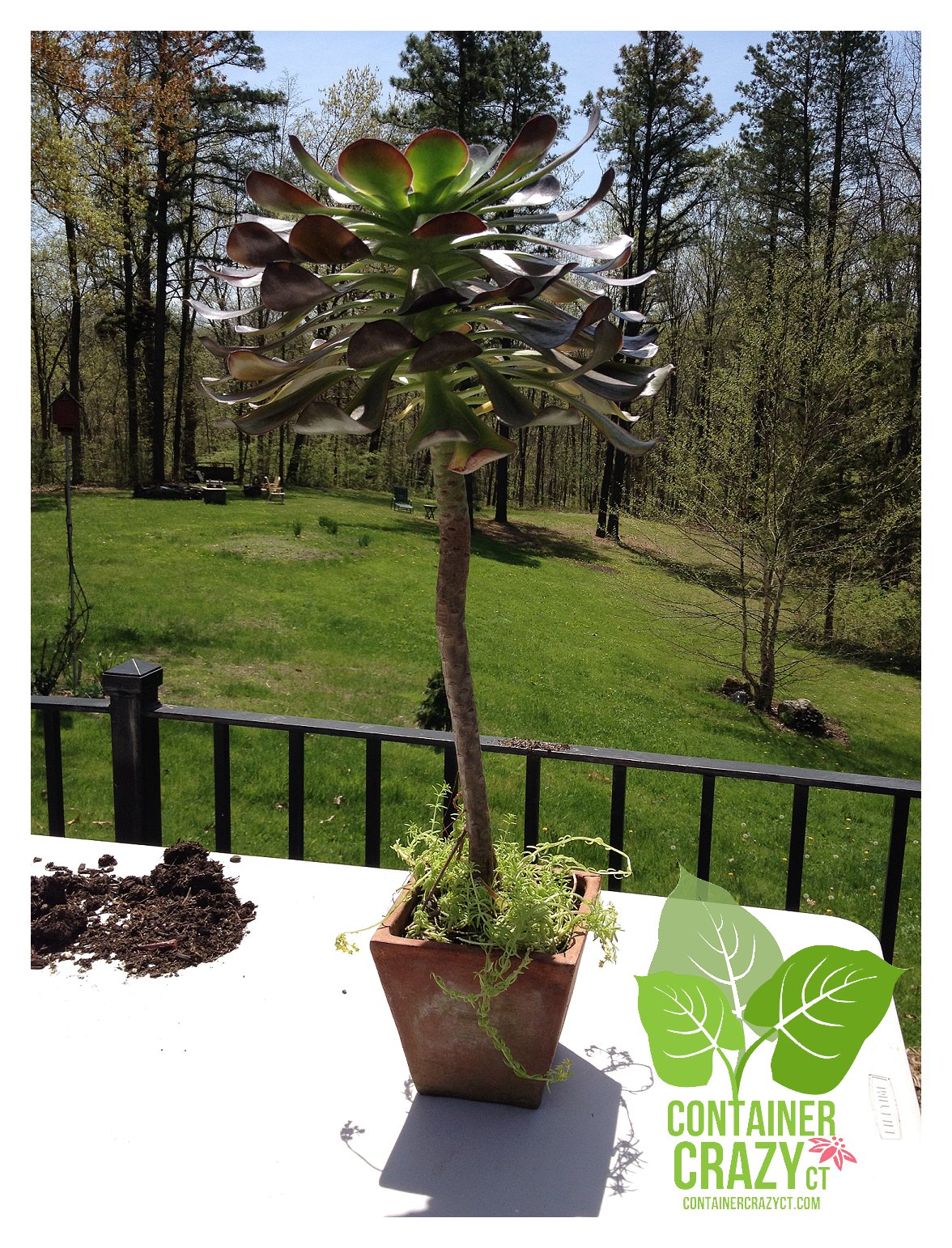
Aeonium plants may be trained into looking like a topiary by removing side branches, such as the one I took home, and some cultivars grow very low to the ground.  They also grow like a shrub with side branches reaching out from the main stem with rosettes appearing on their tips.

The dramatic shape of the rosettes is useful in container gardens, adding interest and uniqueness to a composition.  And the branches offers an architectural appeal as well, resembling a large bonsai form.  And if you are lucky, you will see their amazing blooms.

I have yet to see an Aeonium bloom from my prior stock of these succulents because I usually get them when they are young plants.  Blooms grow on mature plants. The blooms are an excellent yellow color which contrast nicely against its attractive dark colored foliage.  But witnessing a blooming show has a double-edge sword because some succulent plants will die after they bloom.

To see the different growth habits and blooms of this interesting succulent, see my Pinterest board titled, “Succulent Sensations!” which is filled with examples.

Making More Plants

Propagating this plant is an easy process to do, so long as you are patient enough to wait for it to root and start a new plant.

Snip off rosettes with about 5-6” inches of the stem intact (still attached) with a clean sharp knife, and insert it into a small pot of fresh soil to take root.  This should be done during the active growing period of Aeoniums for it to be successful.

If your Aeonium has many branches, you have the capability to start a whole family of them by snipping and inserting cut stems into soil.  It helps if you allow the cutting to sit for 24 hours to dry a bit before inserting it into the soil, or just set it on newspaper to sit overnight.

The soil for the cuttings may be regular potting mix or one amended with fine sand and drainage material – but I find either works easily.  Moisten the soil before inserting the cut stem into it so it is slightly moist.  Cuttings can also be inserted into container gardens mixed with other plants in fresh soil – it will eventually take root.  This is a great way to capitalize on your purchase of an Aeonium, or other succulents easily propagated by cuttings.

By the way, Aeonium is pronounced like ay-OO-nee-um.  Get practicing so when you show off your specimen, you will sound like a pro.  Or you can just refer to it as a black rose succulent or black tree succulent.

Written by Cathy Testa
www.ContainerCrazyCT.com
www.CathyTesta.com
860-977-9473 cell

Hardiness Zone:  9 or warmer; grown as a tender perennial in Connecticut during the summers, and as an indoor house plant in the winters.

Upcoming Cathy T Class:

To learn more, register for Cathy T’s “Big Container Garden Party (Class)” on Saturday, May 24th – there’s still time to sign-up!  See “Garden Talks” on the menu of this blog for more information.  Succulents will be the key feature for this class.  Some Aeoniums will be available too.

Returned Inside Until Temps Warm Outside

Returned Inside Until Temps Warm Outside

Ensete ventricosum ‘Maurelii’ – A Big Red Banana Plant Revived Again!

8 Comments

Red banana plants (Ensete ventricosum, also called Abyssinian banana) are herbaceous perennials from the Musaceae family hardy to zones 10 to 11.  They can reach heights of 8 to 10 feet, perhaps even 12 in the best of situations, and take full sun with medium moisture.

When sun and good moisture are provided, it will give you a show to remember, especially if you are not from the tropics, as most would not expect such a large tropical specimen to be growing in your Connecticut yard.  But this is very doable if you store the plant appropriately over the winter, and follow the steps below to revive it to be planted again each year.

For the third year now, I have taken my red banana plant (which is a cultivar, ‘Maurelii’) out of storage around this time of year to revive it and bring it back to life so I can enjoy it once more in my landscape or in a big container garden.  Red banana plants love organic rich soils, so the large cement planter it grew in last year at my home during the summer is probably where it will return this season.

As I mentioned, in my blog post last fall about how to overwinter (store) a red banana plant, I took photos of the plant repeatedly last season.  I also had people stand in front of it when I’d walk them around to my backyard for them to see my big red banana plant.

Parents and Relatives

Here’s a photo of my parents (on the left) and my Aunt and Uncle on the right from last summer.  My mother is a twin, as you will notice.  It’s so cute to see them get together and my Uncle joked with me about how I built a foundation for my plants – he was correct!  They were having a fun day and it was a treat to have them stop by.

Mom/Dad, Aunt/Uncle 2013

Mom/Dad, Aunt/Uncle 2013

Another time, when babysitting my nephew, I tortured him a bit by taking several photos of him in his stroller before we went for a walk.  Here he is waving at me.  Too cute!  Someday he’ll look back at this photo and say his Aunt was nuts about plants.

Nephew waving 2013

Nephew waving 2013

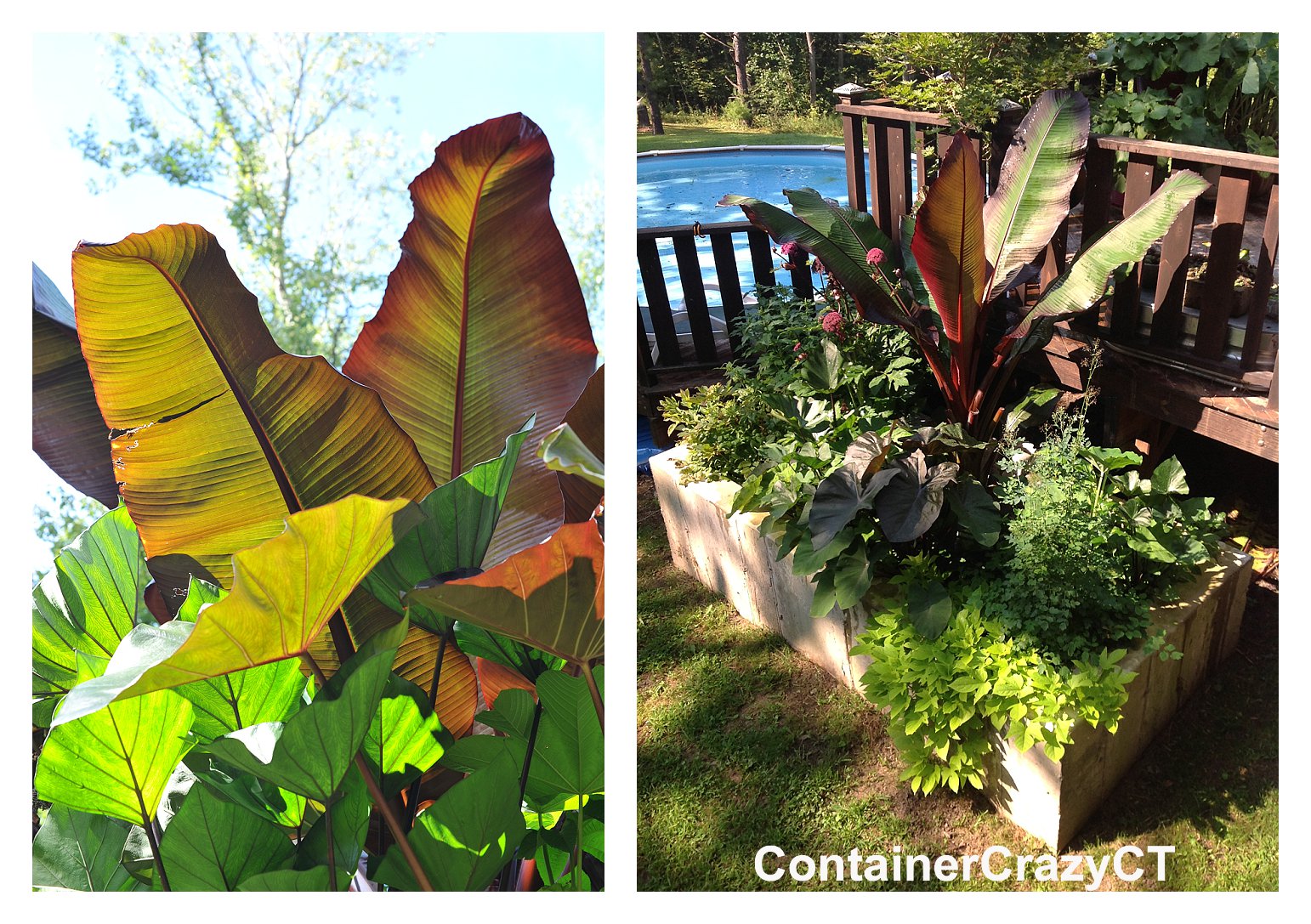
Red banana plants like some shade so the spot where this planter is located is perfect. It gets the morning sun on the east side, which my nephew is facing in this above photo, and later, it gets shade in the afternoon as the sun moves over head to the west.  I also intentionally located it by our pool and below our deck, knowing the leaves would rise to the top of the deck railing where it could be seen as it grew to its towering heights. You can see I have many elephant ears and perennials planted around it.  On hot days, as I watered plants on my deck, it was easy to have the hose over the top to give this planter regular drinks of water too.

Photos taken from above summer 2013

Photos taken from above summer 2013

This plant likes good consistent moisture, and in my large cement planter this was never a problem because it is so large, it holds the moisture well.  When you plant red banana plants into pots, I recommend you go as large as possible too.  Okay – maybe not as large as my cement planter is possible for some folks, but remember the plant gets big, so you want a good sized pot, not only to give it a nice soil environment, but because a large pot will hold down a large plant well in the winds and will require less watering because it won’t dry out as fast as smaller pots.  See my Cathy T “5 Must Do’s for Container Gardening” for more information about how to succeed with container gardening.

Will It Get Bananas?

Many people will ask if my red banana plant will get bananas, and the answer is no, probably not.  Because I cut it down every season in the fall after it gets hit by a frost to store the root base, it may never produce a flower, but there are other types of dwarf banana plants you can grow that will get fruit, one being Dwarf Cavendish.  In fact, I gave one of those to my sister in law one year and she kept it in her sun room all winter. The following summer, it produced a bloom and had tiny bananas which her family was afraid to eat because they never experienced that before.  It was a new experience for them to see a tropical plant produce fruit in their home.

Red Banana Ensete_0014

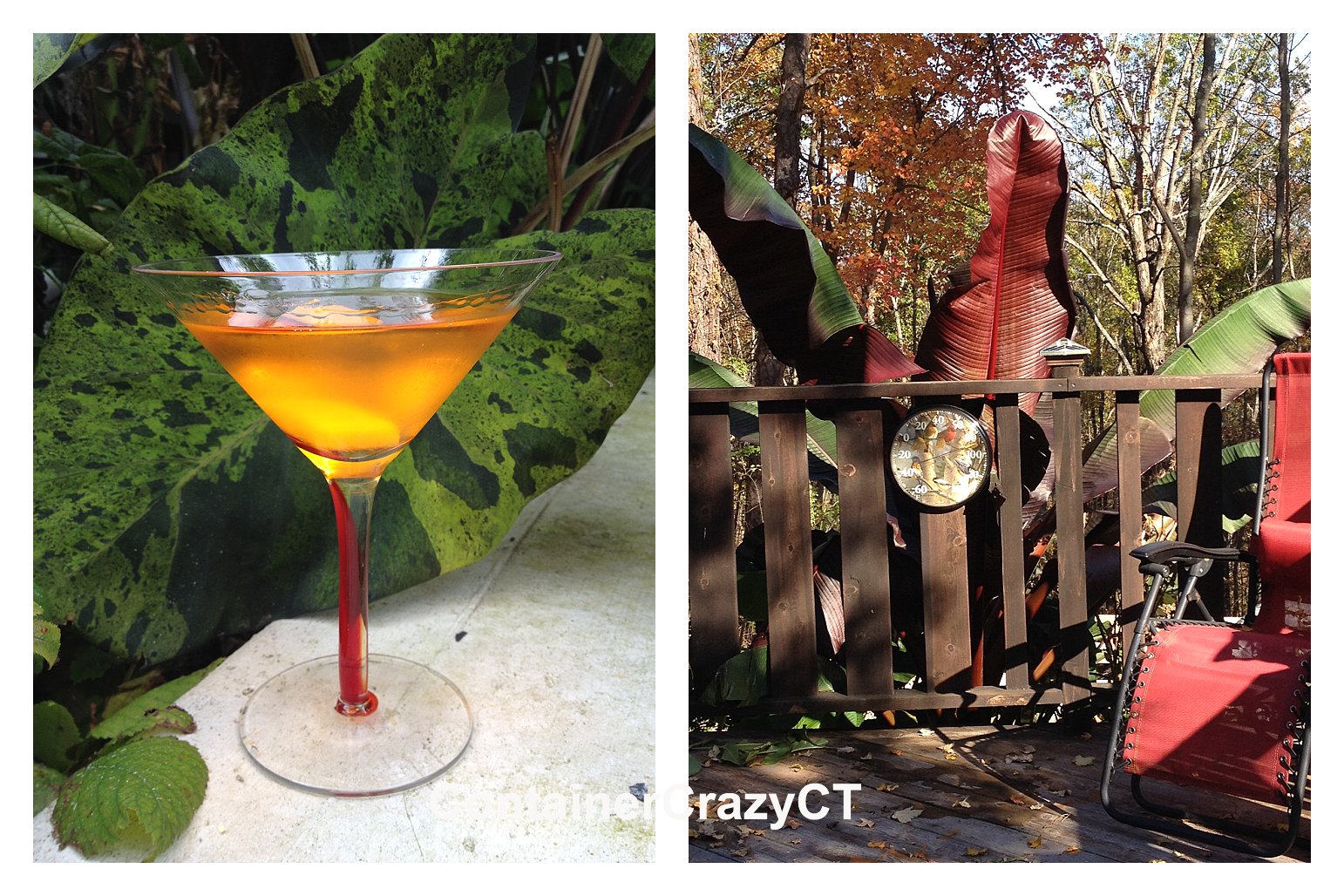
At the end of the season, I took a photo from the other side of the deck.  You can see how the leaves reached the railings.  I also found the spot where it was placed to be a nice private place to sit and have a cocktail in the summer.  But eventually it was time for it go to.

Photo on Right, Towards end of Season

Photo on Right, Towards end of Season

This is what the root base looked like after I took the plant down.  You can see the overwintering preparation steps on my blog post from the winter.  Finally, spring has circled back around. So recently, I went down to my basement to check on the box.

Sure enough, the plant sensed the temperatures changes, and I could see white growth from the top through the plastic taping I used to close the top.

Root base just before packing last fall

Root base just before packing last fall

Opening Box Spring 2014

Opening Box Spring 2014

Coming Out of Storage

It may look like something out of a horror movie when you look at this image above of the plant as it is reawakening in the early spring, but believe me it won’t be long before it is returned to its beautiful state.  My first step is always to check to see if it looks healthy, free of any little insects, and if starting to grow – which is was in the box.  I opened up the box and positioned the root base to be standing upright.

Leaves Rising 2014

Leaves Rising 2014

As you can see, the leaves began to rise.  The bases of the leaves overlap like celery. And while it may look tattered, not to worry, it will perk up and look better in no time. I keep mine like this for a week or so and give it a tad bit of water, but not too much.  I don’t want rot to set in now that I have it alive and revived again.

Temporary Pot

Temporary Pot

A Temporary Pot

On Wednesday, May 7th, of this week, I decided to pot it into a temporary pot using fresh quality potting mix specifically for container gardening.  It happened to be a beautiful sunny day so my juices got going to get this baby into a better environment, and I watered it lightly again.  The next day, I carried it upstairs to a room so it could get warmer conditions and some soft light.  It will remain there until Memorial Day weekend when all chances of frost have past.

New Pot

New Pot

Cleaning It Up

And one other note, there were some outer sections which had some mold or fungus on it, where you can see the whitish area in these following photos.  I took a sharp clean kitchen knife and sliced it off very carefully.  If you do this, be careful to not cut the layer below the piece you are removing.  This step was taken to reduce any chance of the fungus to spread.  And any black parts were cut away also.

Slicing of bad sections

Slicing of bad sections

It is hard to believe this once towering plant at 9 or so feet last year with 6 foot long leaves is now a stump that will regrow to the same size again in no time.  It will sit in my spare room until ready to head outdoors, and as noted above, after all chances of the late spring frost has passed.  I don’t risk putting this plant out too early after all the effort to store and reawaken it.  And by the way, remember any plants you move outside to move into a shady location first so the leaves won’t burn when it is exposed to sun for the first time.  Just like our skin, it can get hurt and you will see white damage on the leaves when exposed to sun too quickly.

In the Landscape

If you want to see what this red banana plant looks like in a landscape bed, check out this photo provided to me from a Master Gardener friend, Serena.  She does garden maintenance, and was excited about her red banana plants last year too.  We both were very happy to see the lush growth of our plantings.  She lives in Connecticut also.

Serena's Red Banana in her CT Garden

Serena’s Red Banana Plants in her CT Garden 2013

By the way, Ensete ventricosum are referred to as “look-alike” banana plants because they are similar to the Musa genus but not part of the Musa genus.  Does this really matter?  Heck no!  It’s a red banana plant to me!  And it will go back outside in three weeks.

Written by Cathy Testa
http://www.cathytesta.com
http://www.ContainerCrazyCT.com
860-977-9473

P.S.  A limited supply of these plants will be available at Cathy T’s upcoming class, the “Big Container Garden Party (Class)” on Saturday, May 24th.

Happy Mother’s Day Weekend Everyone!


American Arborvitaes – Easy To Grow, Unless You Made These 5 Mistakes

1 Comment

Arborvitae_0004Mistake #1 – Placed it where deer roam to dine

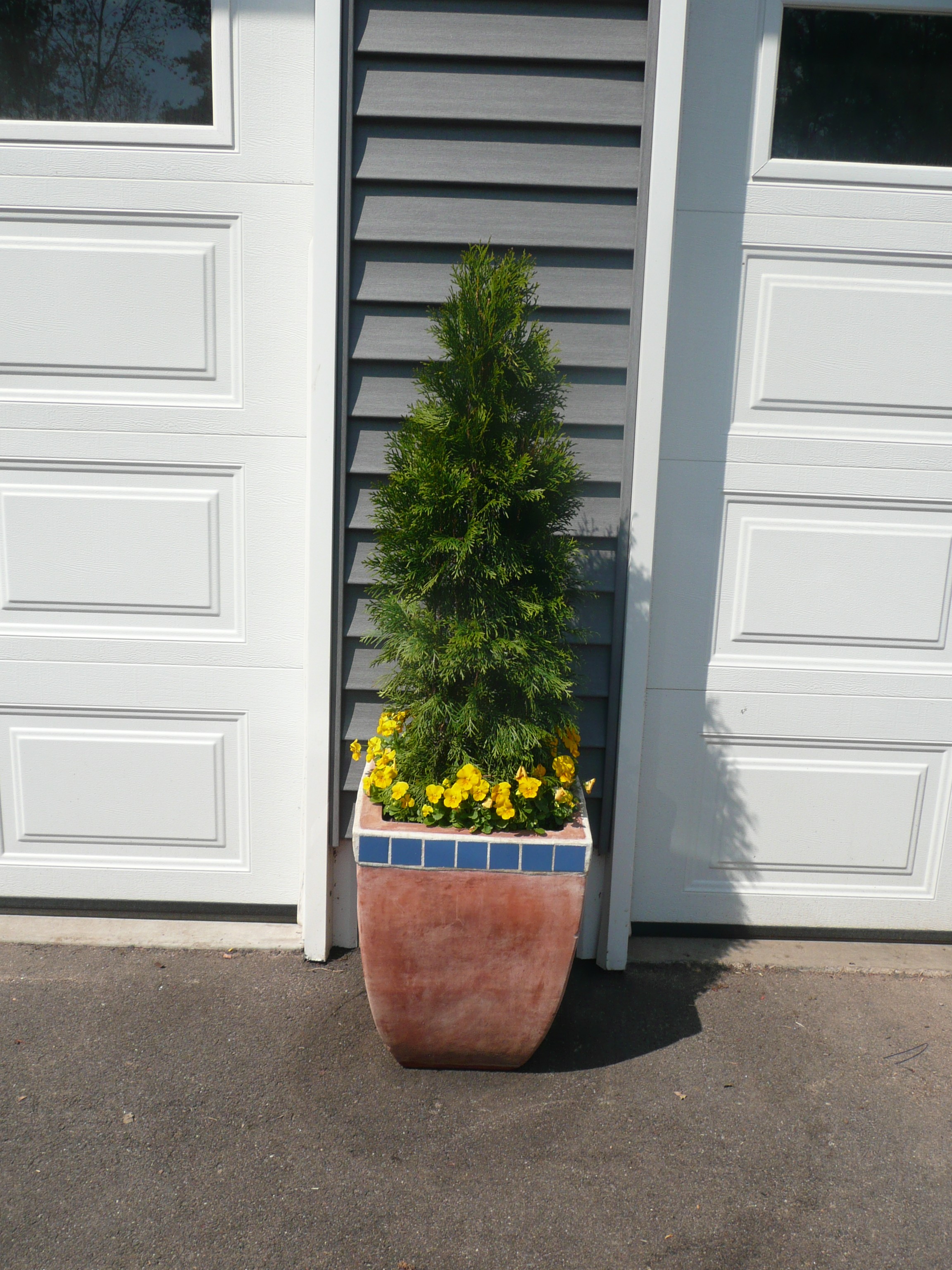
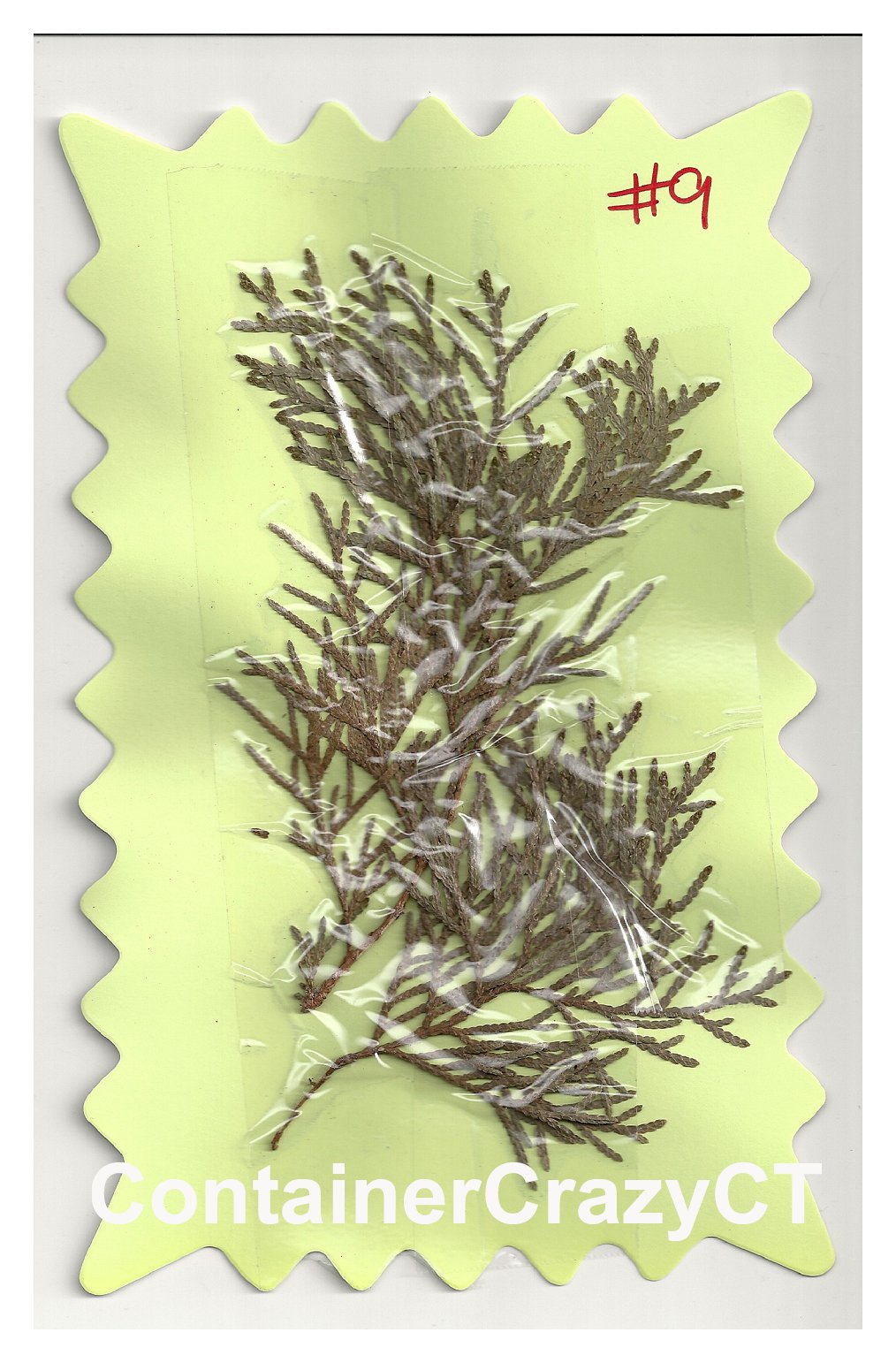
Thuja occidentalis (Eastern or American arborvitae) is a needled evergreen tree often planted in rows to create living borders between properties.  It is very easy to grow, low maintenance, commonly sold, and available in many choices of cultivars, but if you placed it where hungry deer tend to roam during their forage for food, you are asking for trouble.

Deer favor American arborvitaes and will typically dine on the lower portions of the leaves when they are hungry enough.  Your trees will end up looking like deformed topiaries, instead of full evergreens with a conical to pyramidal shape from top to bottom.  This will be a big disappointed if you invested in planting a long row of them as a hedge.

Alternatively, if deer grazing is not a problem on your property, this plant makes an excellent evergreen candidate for hedges, as foundation plants, and as backdrops to perennial beds.  You can use methods to protect the trees during the winter season with burlap, deer fencing, or wire cages, however, this is a process you may not prefer.

Mistake #2 – Planted it in full shade or exposed windy locations

If you have a lot of shade, beware when it comes to arborvitaes.  Too much shade will make the plant a bit more floppy, open and loose looking.  It may make it because they are generally easy to grow and tolerant, but they prefer full sun to “part” shade (and enjoy some light afternoon shade in warmer locations) to perform their best.

When planted in full shade, their stately upright form will suffer.  Before you invest in planting a row or barrier of several plants in your landscape, consider the sun exposure during all parts of the day.  Think about how the shade is cast throughout the day, especially if located near large homes or buildings.

Arborvitaes are generally picky about wind exposure as well, especially if the windy site is open with no protection around the plants.  During the winter, when exposed to wind, the foliage will suffer and may display brown to yellow spots the following spring from winter burn.  It is not super unsightly and can be cleaned up by pruning if limited, but could lead to some disappointment.

If planted in a container garden or patio pot during the growing season (because this plant also makes an excellent thriller in patio pots), be sure to protect the containerized plant during the winter months by moving it to a sheltered location such as your garage or shed.

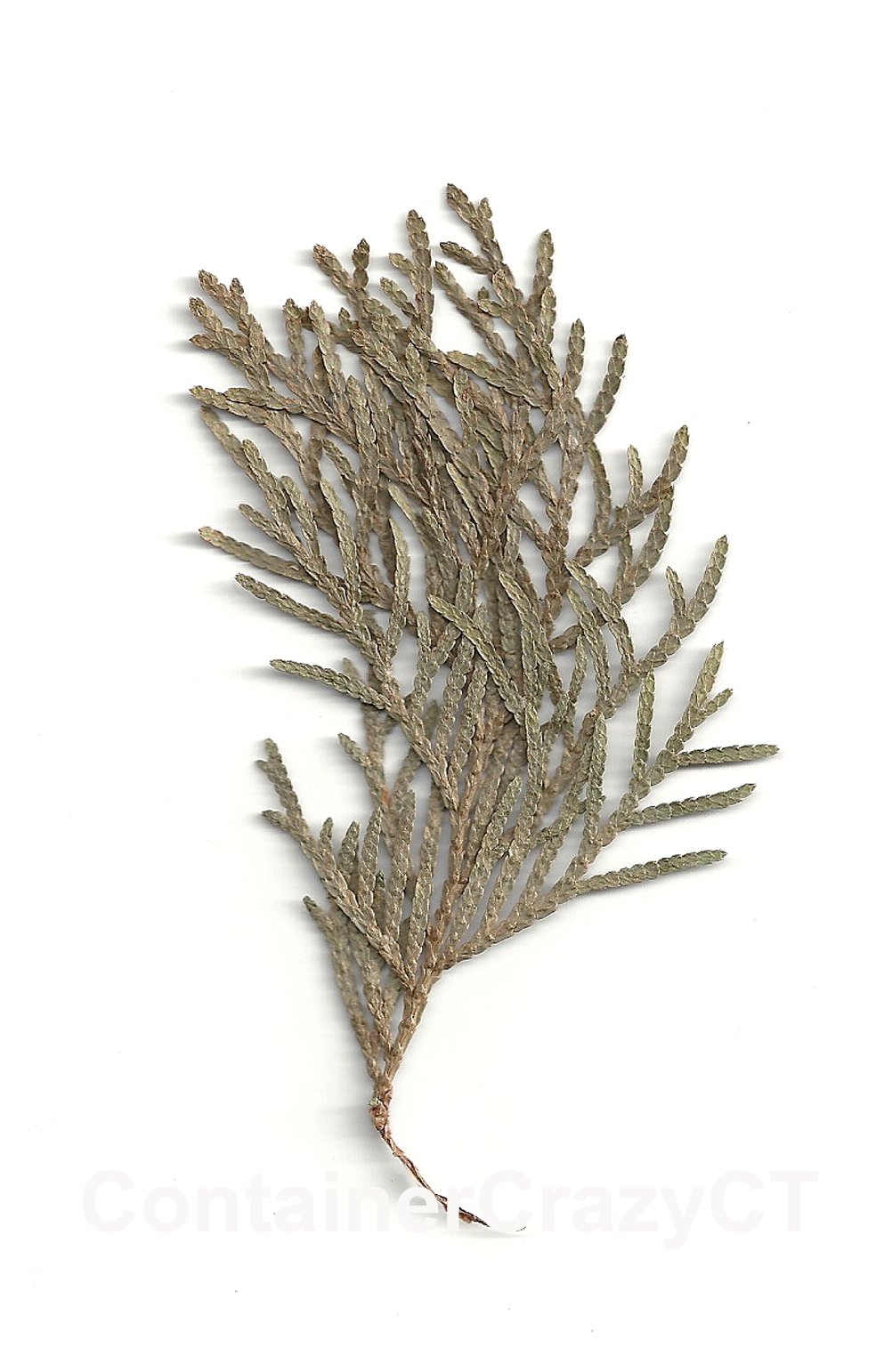
When planted in the correct exposure, these evergreens will demand little attention.  Its flat sprays with overlapping scale-like leaf patterns are densely packed on the trees and are slightly aromatic.  Another interesting feature on this evergreen are the urn-shaped small cones.

Arborvitae_0001

Mistake #3 – Failed to protect it during heavy snowfalls

This plant can topple a bit during heavy snow storms and you may end up with arched plants from broken branches due to the weight of snow and ice.  During heavy snowstorms, which are thankfully months away now, you may want to loosely place twine around them to help keep up their branches or protect them with a wooden frame during the heavy storms.  Another option is to gently shake accumulated snowfall off the plants, if you feel like venturing out during the storm.

Twined

Twined

Mistake #4 – Planted it too deep or failed to water it

If your arborvitaes turn brown shortly after planting, this could be an indication you planted them too deep.  Because roots require oxygen and arborvitaes are relatively shallow rooted, they will suffer from lack of oxygen below the soil if planted incorrectly.

Be sure to follow the instructions provided by your nurseryman, or hire a professional if you are installing a large barrier or hedge – it will be worth the investment and help protect you from hurting your back, especially if you are planting larger balled and burlapped trees which are very heavy to move and place in the ground.

Arborvitaes can take a wide range of soils from average to well-drained, and overall, they are not super challenging to grow, however, their preferred soil conditions are moist and well-drained.  Think about the soil in your yard before you proceed.

After planting time, you should follow a watering routine as dictated by your nurseryman, especially when planting during the hottest parts of summer.  Once these plants are established, they are more tolerant to drought, but it is important to get your plants growing with a good start.  Do not leave them unattended during the heat of summer.

Planting any new plants, especially a row where you invested in purchasing several, should be monitored for watering during dry periods as well.  Do not fail to water it, and if you plan to leave for vacation immediately after planting them, remember your neighbor may not want to water them for you seeing as you just put up a privacy barrier between your properties.  Plan when you plant to avoid letting the new trees sit without attention.

Mistake #5 – Planted in compacted areas or where additives accumulated

Because arborvitaes are excellent candidates as tall hedges, many people will plant them alongside driveways or roadways on their property lines.  Be aware of any hard packed areas where the roots may struggle to get established.  And if planting balled and burlapped trees versus containerized ones, follow the instructions on how to property deal with the twine so you do not end up girdling the tree’s trunk near the soil line.

Additionally, roadside salts or runoff from lawn herbicides may injure hedges overtime.  Always consider the soil conditions of your planting site before proceeding with planting a hedge.  If planted at the base of a slope for example, accumulation of harmful additives in the area can affect the planting area.  While these evergreens are tough, anything sitting in a pool of pollution will suffer eventually.

American arborvitaes are native to the northeast and commonly used in landscapes as hedges, foundation plants, backgrounds to perennial beds, and focal points – and they are relatively easy to grow with some tolerance, but they still need a bit of awareness of their prefer conditions to perform at their best.  Avoid the 5 mistakes above, and you will enjoy your privacy in no time.

Pressed Sample of Flat Sprays

Pressed Sample of Flat Sprays

Pronunciation:

Thuja is pronounced kind of like “Fool-ya” but with a ‘th’ instead of the F.  To hear how it sounds, check out wordHippo.  By the way, many folks refer to arborvitaes as cedar trees.

Written by Cathy Testa
www.ContainerCrazyCT.com
www.cathytesta.com
ContainerCrazyCT@gmail.com

Arb w Pansies

Arb w Pansies

Leucothoe axillaris – Five Great Reasons to Plant it this Spring

3 Comments

The genus name, Leucothoe (lew-KOE-thoe-ee), is one many folks are usually confused on how to pronounce, and I probably mispronounce it too.  But it’s a great evergreen shrub to use in the landscape or in container gardens.  If you haven’t been introduced to it yet, here are five great reasons to plant it this spring:

#1 – It blooms in spring and can take shade

I think this plant’s growing habit is best described as floppy or arching, but its technically spreading and low growing.  The white urn-shaped flowers bloom in clusters along the stems near the base of the leaves in April and May.  They are very pretty, resembling heather or perhaps the blooms of Pieris, and are mildly fragrant.  This evergreen shrub is made for shady locations, preferring partial to full shade, so it is a great solution for shady spots in your yards.

See Photo Attribution Below

See Photo Attribution Below

#2 – It puts on a second show in the fall season

The dark green leaves on this broadleaf evergreen shrub are narrow, pointed, leathery and shiny. In autumn, the leaves turn a wine plum color which is very showy.  The photo below is a scan of a pressed stem of the leaves.  While not very pretty here because the color faded in the pressed sample – it shows you the ovate to oblong shape of the leaves.  This shrub is definitely a beauty in person. The fall plum color is a useful seasonal feature, offering a darker contrasting color next to other evergreen plants in your landscape.  Having alternative colors in the landscape on shrubs during the fall season adds a pop of color when we need it most.

Pressed Sample by C. Testa

Pressed Sample by C. Testa

#3 – It holds onto its leaves in winter and pairs well with Rhodies

This shrub is a nice candidate in rock gardens, borders, or on slopes.  It can also be used as a foundation plant or as a hedge in mass to create a screening. In my opinion, Leucothoe shrubs look more like deciduous cane-like shrubs, but it holds onto its leaves during the winter months.  It is an evergreen to semi-evergreen shrub reaching a height of 2 to 4 feet and spread of 3 to 5 feet with a slow growth rate, so the size is just about right.  It won’t take over a space quickly.  It goes well with other evergreens such as azaleas and rhododendrons, and has a different shape so it makes a nice mix in foundation plantings.  The leaves can look a little less full in the winter months but they still look amazing as their color goes bronze to plum.  In deep shade, the color may be a little less intense.

See Photo Attribution Below, Rhododendron

See Photo Attribution Below, Rhododendron

#4 – It can be used in container gardens and patio pots

Check out my pinboard of evergreens recently started where you can see photos of this plant in the ground and in containers.  This plant looks amazing in container gardens and patio pots.  Imagine the dark plum color being combined with warm fall colored plants and pumpkins or gourds during October.  Because the wine plum coloring transition happens during the fall season, it is a wonderful contrast element in mixed compositions.  By the way, sometimes when you see these shrubs in the nursery in early spring – they still have the plum color on them from the prior season but it will go back to green over the summer, and to plum in the fall.  Using shrubs in containers and patio pots also offers the additional benefit of being reusable each season so you don’t have to spend more on a new plant and many shrubs can stay in the pots outdoors over the winter, unlike annuals or tropical plants.  This shrub’s habit makes a nice spiller because it arches and will drape over the sides of your pots.

#5 – It is deer resistant and doesn’t need pruning

This woodland shrub does not have serious issues in regards to insects or disease problems, and deer rarely dine on them (see Rutger’s link below on Deer Resistant Landscape Plants).  This is a big plus for many gardeners with deer eating issues in their landscapes. Leucothoe axillaris doesn’t require regular pruning either – another plus.  It can be left alone for some time unless there are some weak stems requiring attention, which can be pruned off after the plant is finished blooming for the season.

See Photo Attributions Below

See Photo Attributions Below

Three Side Notes:

About the only three points to consider of importance are:

  1. Leucothoe axillaris prefers acidic (pH 4.5 to 6.0) organic fertile soil.
  2. It is hardy to zone 6 and the “warmer” zone 5 areas, meaning it is best to plant it in a protected location away from winds or cold micro-climate spots in your yard if your planting zone is closer to 5 than 6.
  3. It does not take doughty locations and if in the sun, the soil must stay moist.

Common names:

Coast Leucothoe, Dog-hobble

Cultivars:
‘Compacta’ a dwarf, ‘Dodd’s Variegated’ creamy white leaves, ‘Greensprite’ common, bigger up to 6’, ‘Sarah’s Choice’ low mounded, ‘Rainbow’ molted rosy pink and creamy yellow new leaves.  L. fontanesiana (Drooping Leucothoe) is a similar species. See Leucothoe fontanesiana ‘Girard’s Rainbow’ for a variegated option; ‘Scarlet’ is a dwarf, ‘Rainbow’ has mottled yellow leaves.

Useful Links:
http://njaes.rutgers.edu/deerresistance/ (Rutgers; Landscape Plants Deer Resistance)

Photo Attribution:
GFDL, Creative Commons Attribution Share Alike 2.1 Japan License.  Photo by KENPEI from Wikipedia.
Deer Photo Courtesy of FreeDigitalImages.net, by anankkml, “Sika Deer Fawn”
Rhododendron Photo Courtesy of FreeDigitalImages.net by Tom Curtis

For other shrubs written about on this blog:

Written by Cathy Testa

www.cathytesta.com
ContainerCrazyCT.com
860-977-9473
containercathy@gmail.com