Click the link below, (when it opens, close the ad to bypass it), and you will see a quick slide deck of an upcoming class by Cathy T on May 24th, 2014, Saturday. Don’t miss out – there will be lots and lots of different succulents to choose from as you learn and design your fun, unique, interesting, and creative container garden.
To get some inspiration and ideas of the type of container gardens we are talking about, check out Cathy T’s “Succulent Sensations” PinBoard. The ideas are “endless” – got a cute rustic toy truck, a hot shoe, a broken bird bath, a sink or tub? Many of these items can be made into a container garden stuffed with a variety of succulents in this class!
To learn more (because there IS more, from tropical plants for sale at the class too and a mini-slide presentation) and sign up, go to Cathy T’s Classes pages on the top menu bar of this blog, or click here:
We currently have 11 attendees, so don’t delay to express you interest to join us. A complete detailed document will be emailed to signed-up attendees by the end of this week on the cost, types of succulents on the list, and what to expect – so if you want to express an interest to be part of the gang to hold your seat, email or fill the contact form below today.
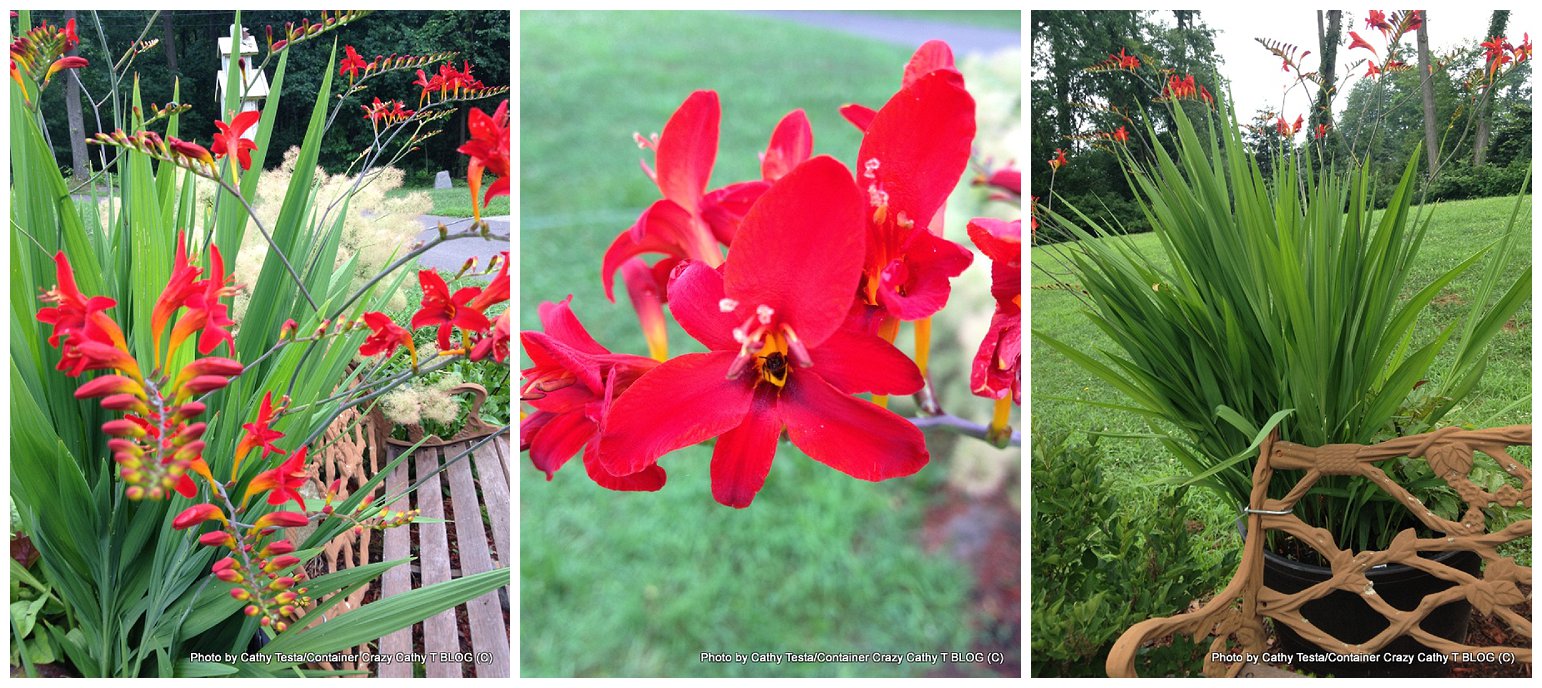
Crocosmia ‘Lucifer’ was a plant included in a mixed container garden one summer as I prepared many for sale at a farmers market. I liked the plant’s sword like foliage, and admired the photos of its exotic vivid red blooms, but this perennial was somewhat new to me.
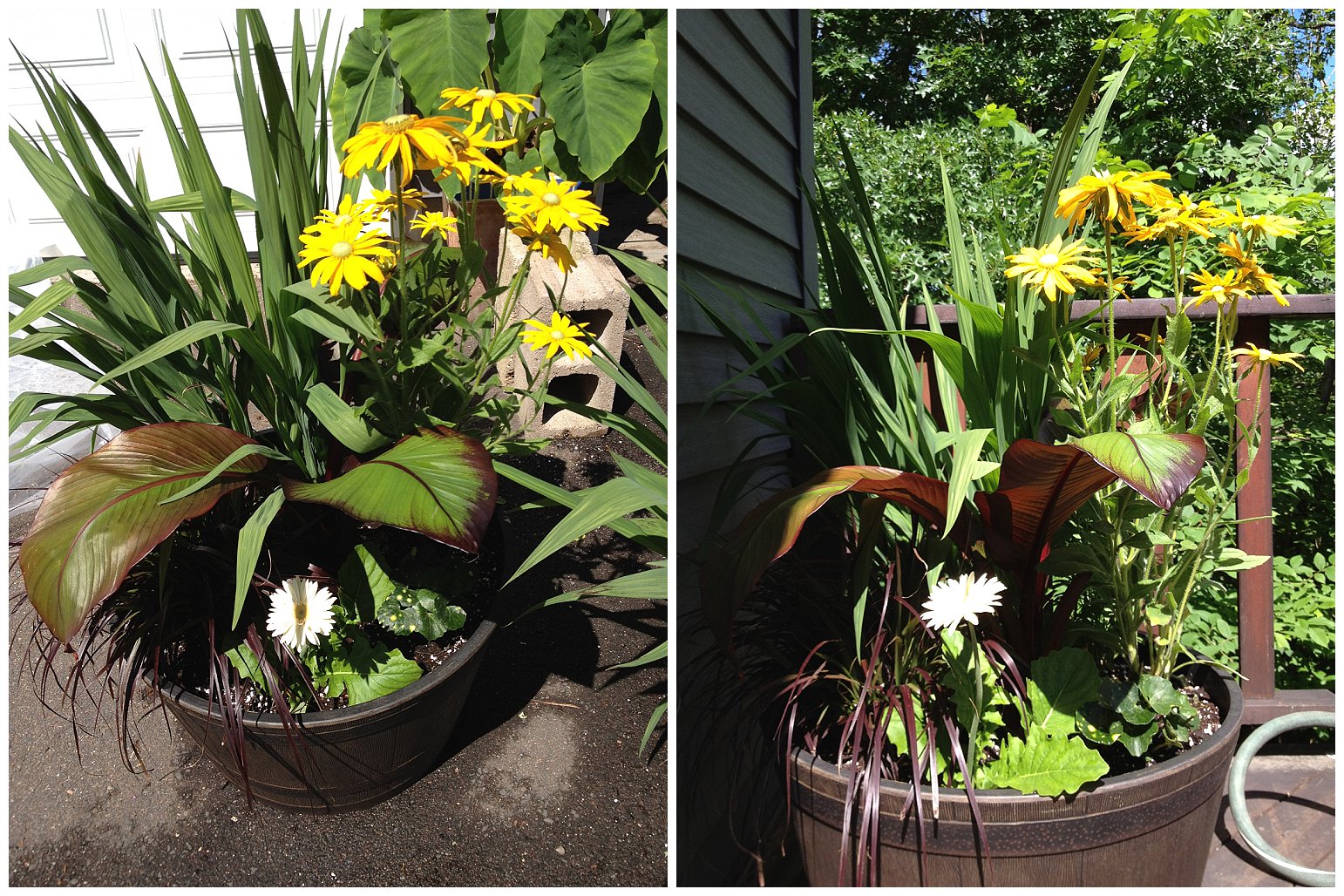
Because the container was being offered for sale during Father’s Day weekend, and it contained large and showy plants along with the Crocosmia, the container was given the name of, “The Big Daddy.” Each plant in the arrangement was described as follows:
This “Big Daddy” Planter will give the Dad, Father, or Hubby in your life a show fit for a king!
7 Big Daddy Plants with fertilizer, compost, and water reducer amendment already added.
Red Banana Thriller – In the center – Ensete ‘Maurelii’ red banana will go bananas fast, showing off big and wide leaves with tropical red coloration! It can reach 6 to even 12 feet tall in one season, wow. You can’t beat this THRILLER.
Crocosmia – A perennial that will flower in the late summer with VIBRANT wands of scarlet, red, orange, yellow pops of color. When most annuals tend to fade away from the summer heat, this tall, spiky foliage plant also gives another big thrill to this combo, and can be transplanted into your garden in the fall.
Leonotis – Lion’s Ears, don’t see it? You will by the end of summer. It will display the most amazing whorls of bright orange flowers, to give a last big blast of show in this container. This plant is is a sub-shrub from Africa. Very UNIQUE.
Farfugium japonicum – Leopard Plant. The glossy leaves dotted with yellow and gold are soon to expand to 6 inches across. This plant adds a FASCINATING filler to your thrillers. Large, daisy like flowers bloom in early summer.
Rudbeckia ‘Prairie Sun’ – Blooming now thru the end of September, this black eye Susan with a green eye is the NON-STOP show in your Big Daddy Container. Snip off a couple for the vases inside and out too.
Gerber Daisy – A spot of more yellow to complement the design of bright intense colors, and will shoot up new SHOWY flowers continuously. Look how the center echo other colors.
It turned out that no one bought the amazing “Big Daddy” container garden filled with large perennials, annuals, and tropical plants, even though many visitors came by to see it. There were some tentative buyers, but none the less, it remained unsold by the end of the market’s day.
EXOTIC VIVID RED FUNNEL SHAPED FLOWERS
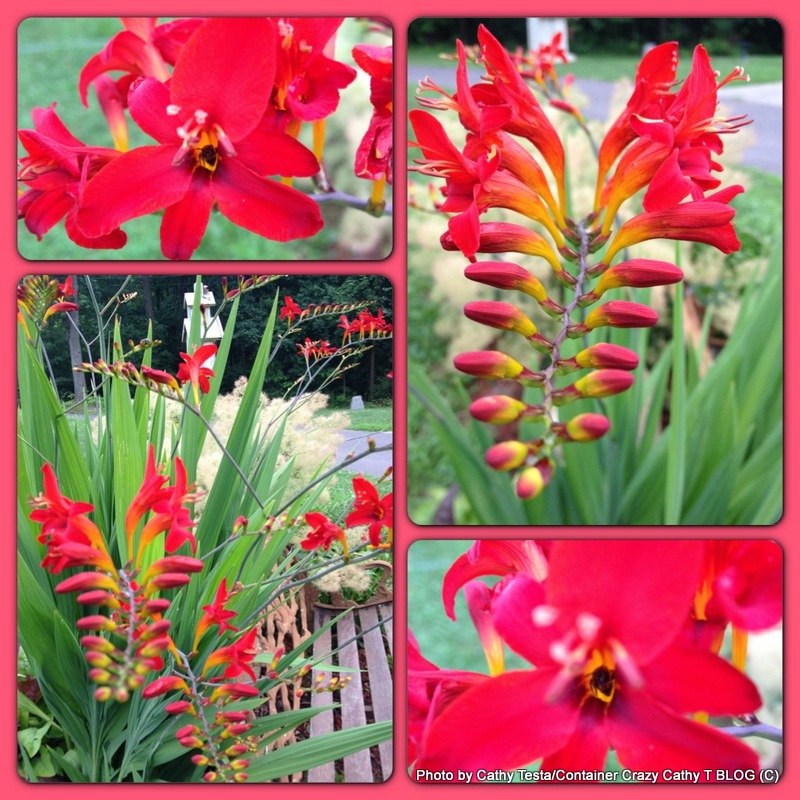
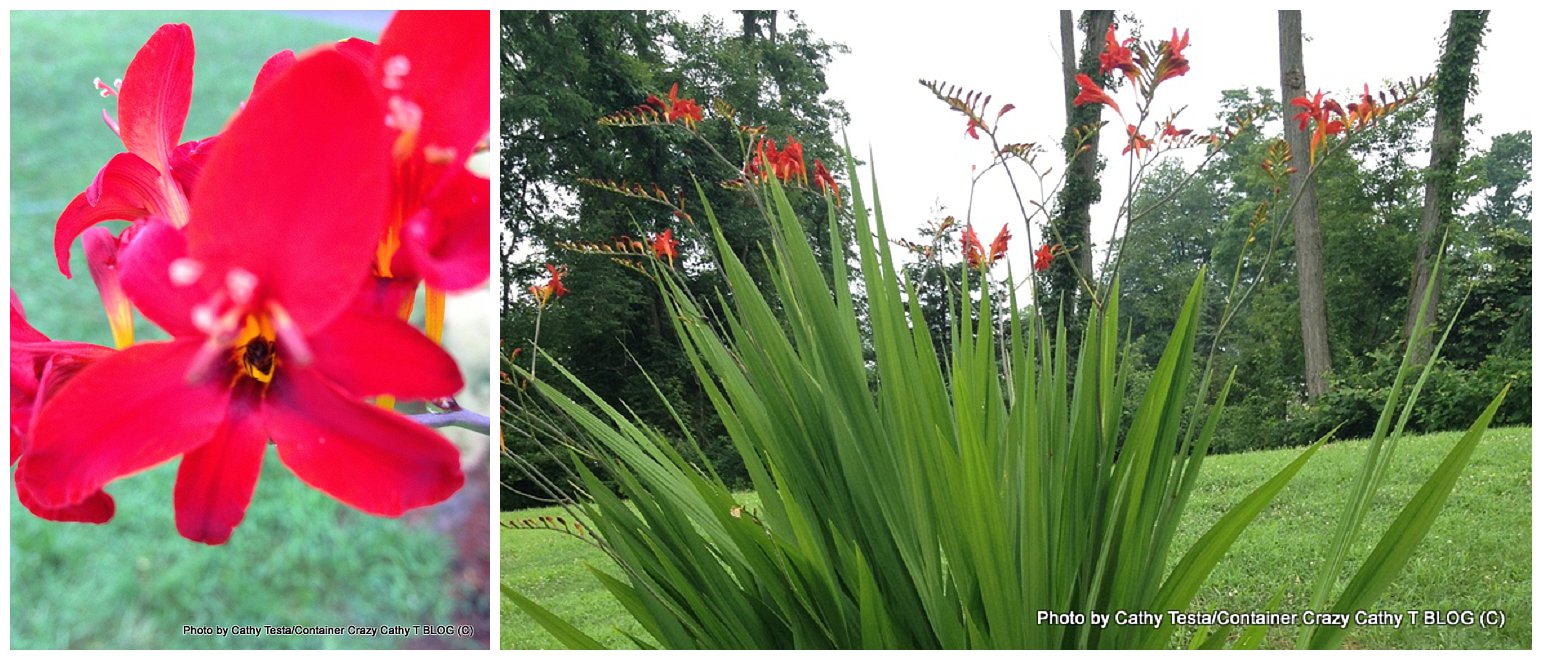
During Crocosmia’s bloom period in the summer, the individual funnel shaped flower buds are held on each side of an arching flowering stem, held up like jewels above the spiky foliage. The buds open up sequentially, and in my opinion, the closed buds are just as pretty as the open ones.
The show it put on for two seasons, with the expectation it will repeat its rock-star like performance again this summer, has stayed etched in my mind. Not only will the plant look good from the beginning of spring when the foliage arrives, but it will start to display a fireworks show of red brilliant buds and blooms starting in late June or early July. And the show continues into early September.
ATTRACTS HUMMINGBIRDS AND OTHER POLLINATORS
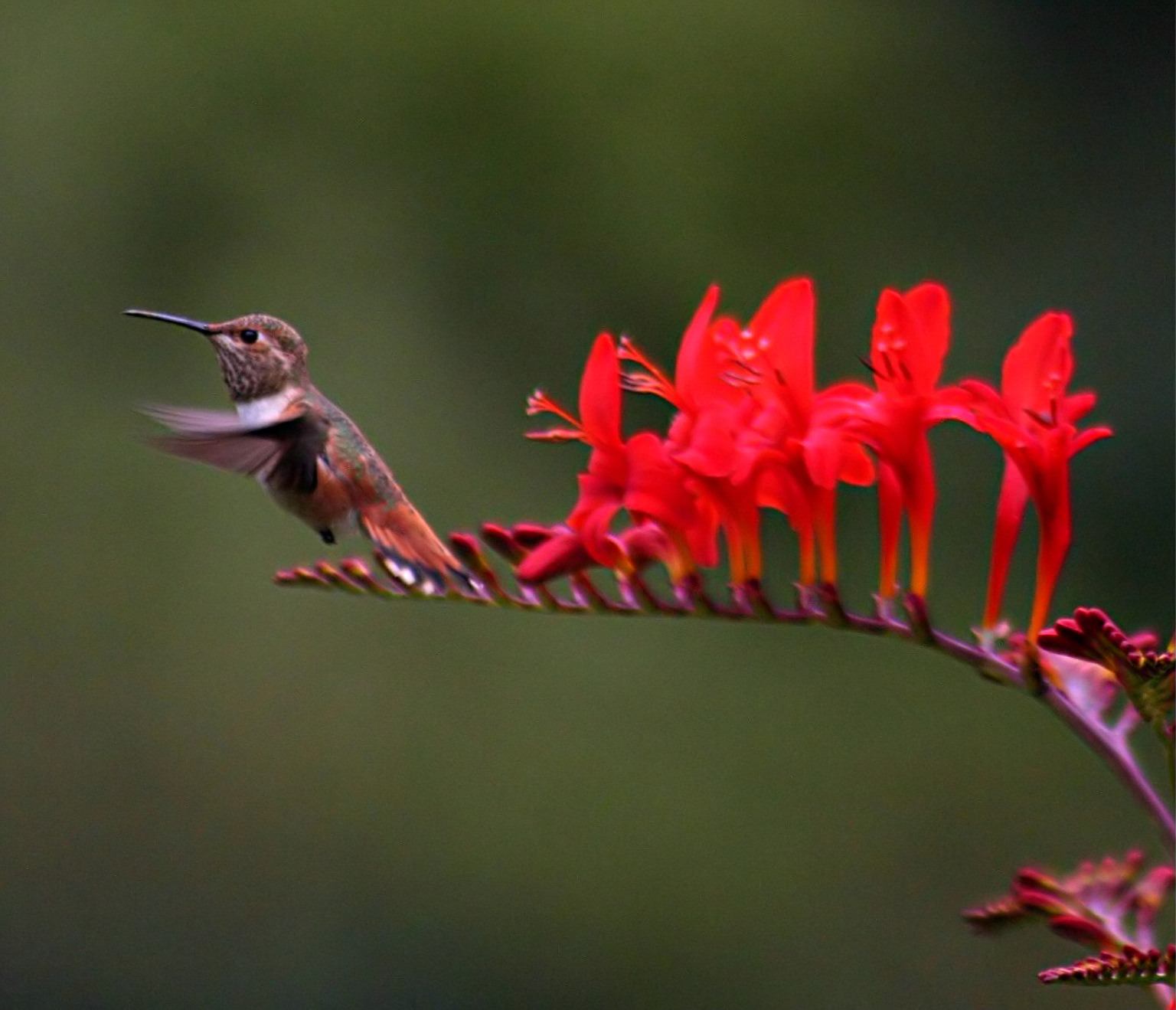
A friend referred to Crocosmia as a hummingbird plant, because she feels the buds resemble hummingbirds, plus the opened blooms attract them regularly. I totally agree on both points. Hummingbirds visited it often during its blooming period, and bees dove into the funnel shaped flowers regularly on their nectar seeking journeys.
The bright red flower color of this exotic looking perennial does not go dull either, as with some plants’ blooms. Against its dark-green sword like tall and erect foliage, which is also a bold texture in the mixed planting of the container, the red flower coloring is intensified.
See Below for Photo Attribution
Photo by C. Testa
ECHOING THE COLORS
Another aspect I really enjoy is how the colors within the Crocosmia were echoed here and there by the adjoining red banana plant’s foliage, and even a bit of yellow in the buds or center of blooms, was echoed by the bright yellow daisy blooms of the Rubeckia perennial also in the container garden arrangement.
Photo by C. Testa
The red banana plant (Ensete), the key thriller in the center, reached about seven to nine feet tall by the end of summer. And the Rudbeckia was about three to four feet, with the Crocosmia blooms hovering over its foliage at the same approximate height as the Rudbeckia. They were in sync and created a nice balance.
The yellow blooms colors of the perennial Rudbeckia complemented the whole arrangement as well. It was another warm and bright contrasting color in the container garden. These warm colors can be seen from afar, or up close if you are like me examining plants as they bloom open, which is something you will want to do because the Crocosmia blooms are alluring, attracting pollinators and admirers.
STORING OVER THE WINTER AS A CONTAINER GARDEN
After a full summer season of enjoying all of the plants in the Big Daddy, the container garden was moved into the garage for protection. I removed the growing structures of the tropical plants, such as the root base of the red banana plant, but the Crocosmia perennial remained in the pot with the soil as it was put to rest in a shelter for the winter.
The following spring when things began to warm, the growth of Crocosmia started to pop out of the container garden’s soil. The Big Daddy was rolled outside with my trusty hand-trucked to a new location by a bench in a small garden space by my driveway.
The blooms were even more showy this past year as this perennial grew into a larger clump. Eventually it will need to be dug out to be divided (see video below for a demonstration of the process) or the cormels (small corms growing near the side of a large corm) can be removed to be stored over the winter, similar to the process for Canna rhizomes and Colocasia (elephant ear) bulbs.
IN THE GARDEN
Crocosmia is known to not always return in the garden if not well-protected with a thick layer of mulch or leaves during the winter (and if there was no snow cover to offer insulation), but in a container garden that risk of non-repeat performances is minimized, if not eliminated. It is not a picky perennial but it can be short-lived.
IN A CONTAINER
All you have to do is move the container with the plant into a garage, shed, or even your basement for the winter and then roll it back out in early spring – and Crocosmia is sure to return – as it did for me last summer. It will ‘rock on’ for a long time in a container garden or patio pot for many years to come.
DIVIDING THE CLUMP AND/OR CORMELS
And one more note, the plant grows in a clump and from corms. The clump may need to be divided after 3 or 4 years if it outgrows your container or pot. Or you can divide the actual cormels as they reproduce below the soil overtime, providing more plants for you. For a video on how-to do this, see below.
Written by Cathy Testa
Other Information:
Native to South Africa
Prefers moist, rich soil, full sun or light shade
Tolerates sand and heavy clay
Makes a long-lasting cut flower
Divide clumps every couple years (2-3 years) as needed or separate cormels
Foliage lastS from spring until fall
Flowers last mid-summer to early September
2 to 4 ft. Height; 1 to 2 ft. Width for ‘Lucifer’ cultivar
Not bothered by serious pests
Zones 5-7 (Zones 1-4 store like Canna)
Other cultivar colors: Fiery yellow‚ orange‚ red and tan
Pronounce something like this: Crow-Cause-Mia (Crocosmia)
For an informational video about varieties, how to plant them in the garden, autumn care, plant partners to use with it, and how to propagate Crocosmia, see this video by Trecanna.
To see how to separate the small cormels, and for tips on how to plant in a garden bed, see Yolanda Vanveen of HowToGardenVideos.com:
Please share or join this blog by entering your email on the sidebar, you will get updates via email and special offers of upcoming classes as a blog follower!
Happy Saturday Everyone…
Photo by C. Testa (Rudbeckia blooms)
Black-Eyed Susan ‘Prairie Sun’ Rudbeckia hirta (perennial)
Sun to partial sun
Midsummer to early fall blooms
Well-drained soil moisture
8-36″ in height
Zone 4-9
Daisy-like flowers bloom yellow.
2003 All-American Selections Winner
Attract butterflies
Excellent cutting flower
If you read my blog, you saw I potted up two Amaryllis bulbs in early February. As the days moved along, I took several photos of the blooms, especially the white one, called Athene, because it grew far better than the red one. The red one was not at fault however. I put the red one by a north window which I knew wasn’t really warm enough and wouldn’t provide the sun it needed to really take off. It did grow and bloomed, but was not nearly as nice as the white one.
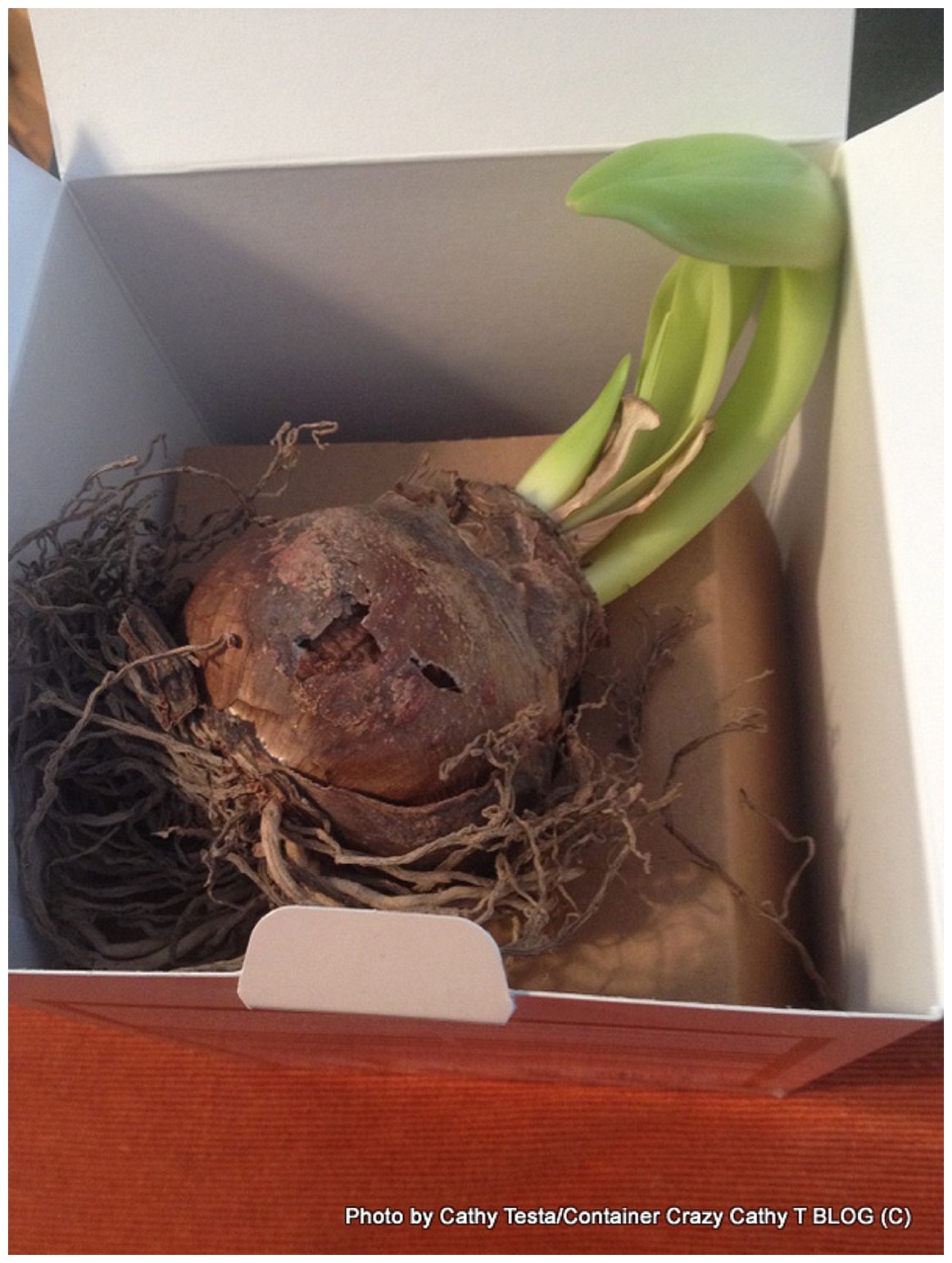
Red Amaryllis, Red Lion, in Box
When I bought the two bulbs on sale, they were already sprouting in the box, so they bloomed in about 3 weeks (rather than the typical 6 weeks) after planting. To see how I planted the red one in a glass vase with stones and water, see this post.
Red Lion in Glass Vase by North Window
When the red blooming (Red Lion) Amaryllis was reaching the end of its blooming period, I decided to pull apart one of its trumpet shaped flowers, and remove the pistil (shown in photo below – right side) and stamens (6 shown sitting to the side of the pistil) because it was just a curiosity thing. Each was attached at the base of a petal and it was a good photo opportunity. The pistil is the female part of the flower and the stamens are the male parts (a bisexual flower structure). The pistil is made up of a stigma (tip), style, and ovary (the ovary you can’t see in the one I removed because it hasn’t formed yet but it is usually found at the base of the female parts in the flower). Each stamen is made up of an anther (located at the tip) and filament, which is the stem like portion holding the anther at its tip.
End of Bloom
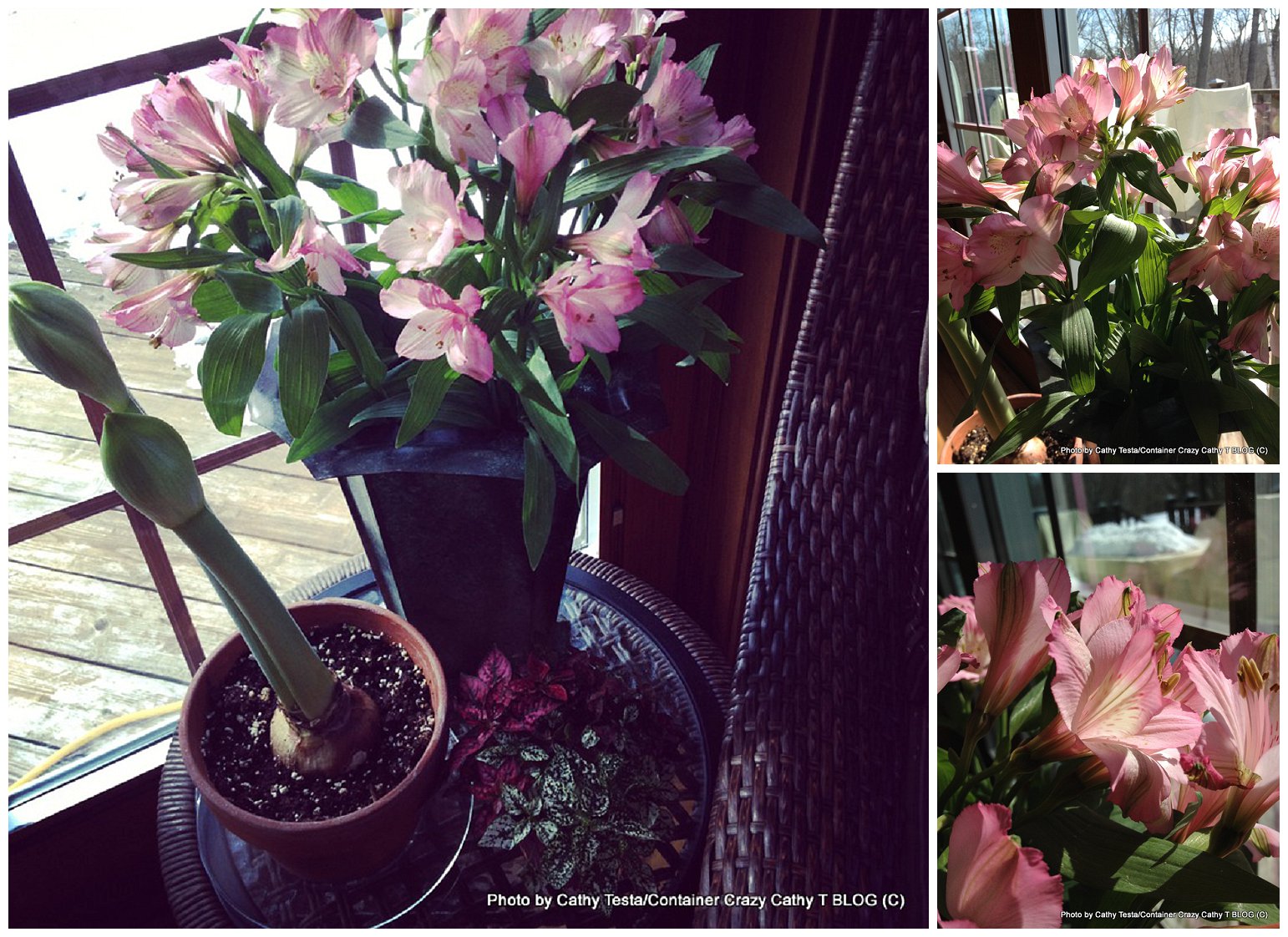
The white blooming Amaryllis Athene is shown in next photo below next to a vase of cut flowers (Alstroemeria). The flowers of Amaryllis are borne in groups at the tips of each tall stem. As the big bud opened, individual flower buds expanded outward. There were four (or six) at the tip of each hollow stem. When completely opened, the group of flowers formed a beautiful big white ball of funnel like flowers which were large and showy. (BTW, I included photos of the cut flowers because they were pretty and a good way to cheer up the dreary days of late winter as well. I recommend you buy a bunch for yourself and put in a vase, it makes things warm up a bit inside!)
White Blooming Amaryllis in Terracotta Pot
As you can see in the photo above, the white Amaryllis Athene was potted up in a small terracotta pot. As directions stated, about 2/3ths of the potting mix is below the bulb and the top 1/3 of the bulb remains exposed (uncovered by the potting mix) so it sits above the soil line a bit. It is best to place them in a warm sunny location and this one found its home by my south window. Watering lightly is key, you don’t want the soil to be soggy or wet, and it should drain well. The soil should be moist but not so much so that the bulb is in a wet and soggy situation where it can rot. And the pot should be fairly small as the roots like some restriction. A good gauge is if you can fit your thumb or two fingers between the edge of the bulb and edge of your pot, you have enough space and it is comfy. Additionally, if you skip a day or two of watering, this plant usually can take it well. It doesn’t need constant attention and is usually very easy to grow and take care of once you know how to do so.
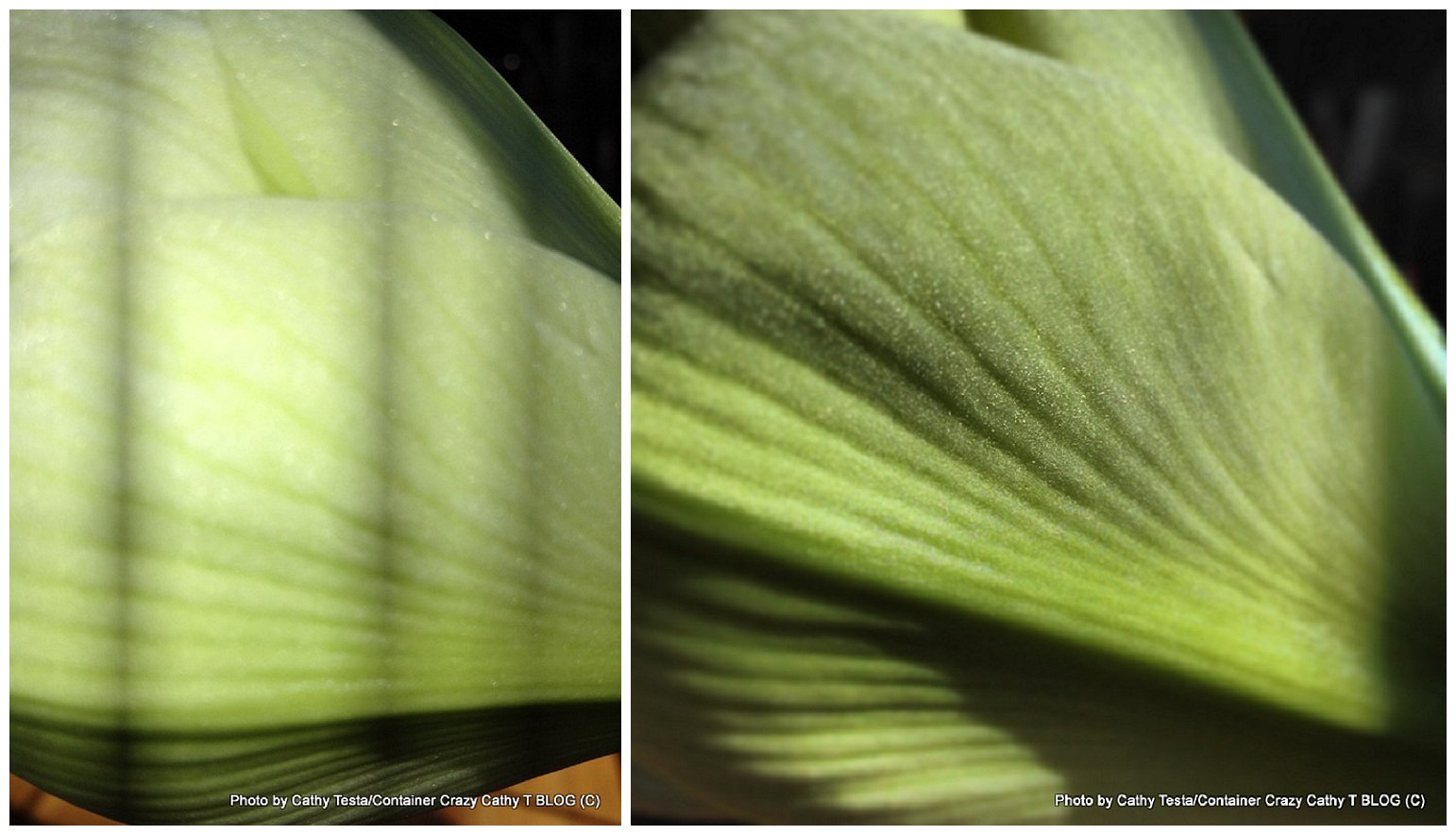
Back side of Flowers
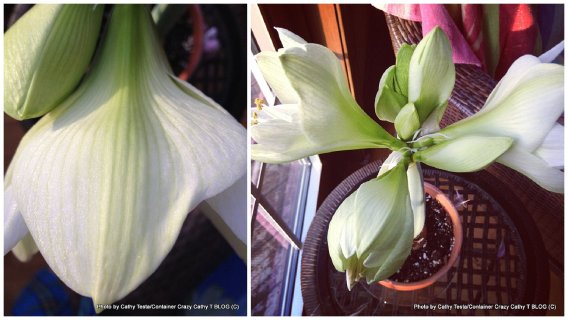
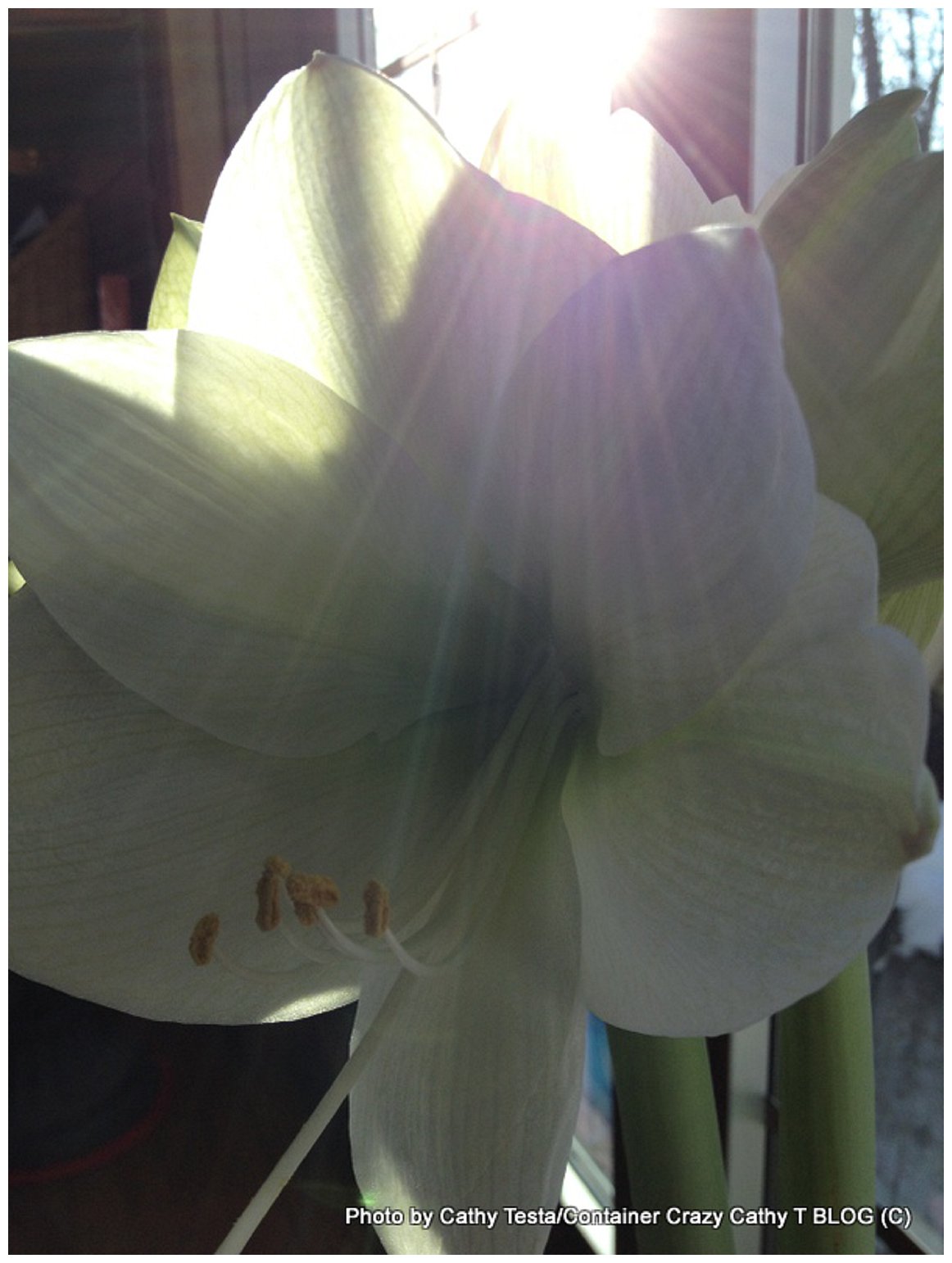
In the early mornings, as the sun cast through my southern facing slider window, I would take some more photos. I love the way the backside of the flower petals sparkled when you looked up close. It certainly was a nice distraction from the colder temperatures outdoors. It beat looking at the snow.
Rising and Opening
There were two stems, which are hollow, topped with several buds at the top. As they began to pop open, I decided to add some decorative glass stones and sparkly sticks to the pot. Just one of those things, playing around with it – since it was becoming so pretty. I thought about how pretty these would be in groups or as a centerpiece for a special occasion in the winter. You can see the leaves starting to come out of the base. After the flowers go by, the leaves will grow quickly, and should remain on the plant to store energy in the bulb during the summer months.
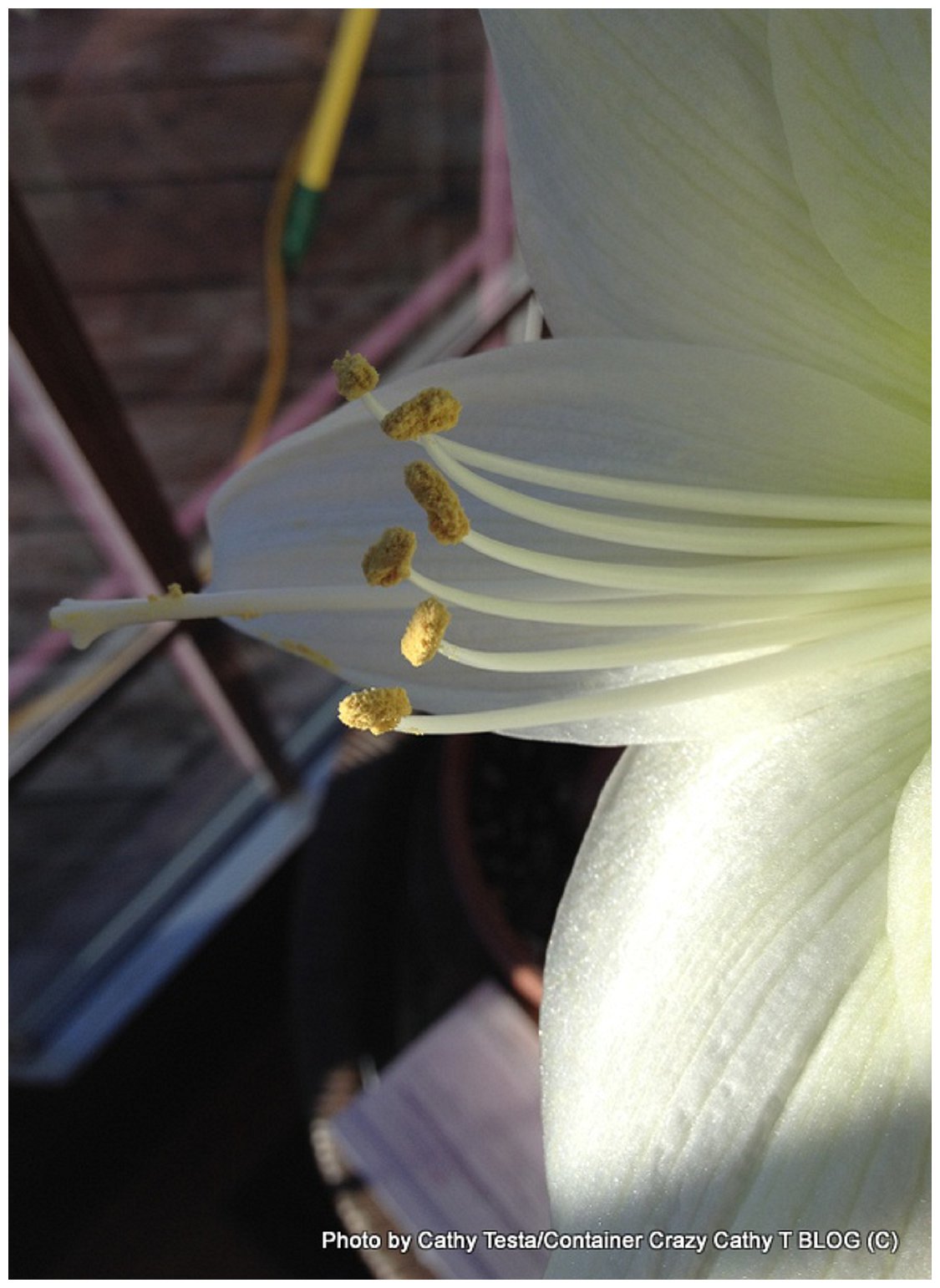
Pistil made up of Stigma and Style in the Center Photo above
In the center photo above, you can see the pistil (female part). When looking closely in the next photo, you can see pollen sticking to it from the anthers. The anthers are on the right and are the pollen bearing flower parts of the stamen, positioned at the top of individual filaments. In this case, you can see six filaments extending out. Filaments are the stalks that bears the anthers in a stamen (male part). Why you need six stamens for one pistil? Well, you know how males can be! LOL. The pollen will make its way down the pollen tube (part of the stigma structure) to the internal ovary in the base of the flower structure. It always amazes me how a tiny pollen grain can move down a pollen tube to continue the cycle of life in flowering plants.
Internal Parts
To me, the internal parts of a flower are just as beautiful as the flower buds and petals. With Amaryllis blooms, you can see them clearly should you want to examine them or use them as a teaching opportunity for kids. And if you want to learn how to pollinate your own Amaryllis by hand which is done to create hybrids (crossing with another variety) or to ensure pollination for seeds, see directions here by Amaryllisbulbs.org. There are some close up photos of how you can apply the pollen from the anthers to the stigma at the “right” romantic time. See also the video at the bottom of this post for more on how to pollinate Amaryllis.
Blooms Opening
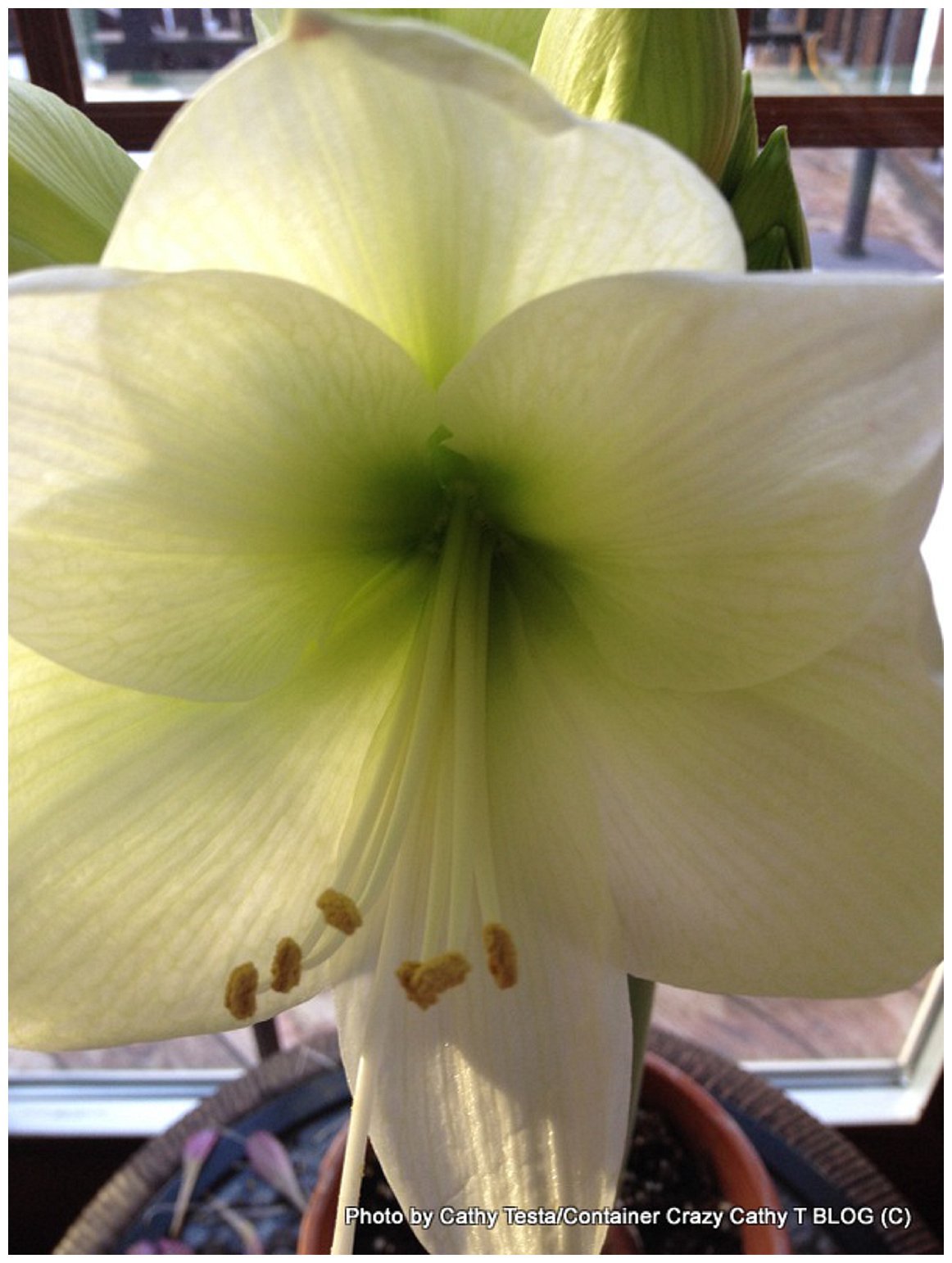
Soon enough, I was taking photos from every direction as all the flowers at the end of the two stalks started to completely open all around. With two stalks, topped with 4-6 buds, it was turning into a globe of white beauty. There was 8 fully open flowers at the end of its show. At one point, I swear there were more flowers, like 12 but not sure now, and should have actually counted. Let’s just say it was magnificent. The plant was about 20 inches tall and became a spectacular show in white. I rotated the pot occasionally so the stems would not lean in one direction towards the sun. It ended up being a very straight and tall specimen to enjoy through mid-February to mid-March. It was a great distraction during the dreary days of late winter.
Gorgeous Topped Blooms of a White Amaryllis
I started to post photos of it on Facebook and Pinterest to share. It was really taking the edge off of winter for me during the month of March. By the third week of March, the blooms began to fade, so I knew it would be time to say goodbye to quite a show.
One more shot
Here’s one more shot from the top. I wish I could have taken some professional photos of it because it was so pretty! The spot where this Amaryllis plant sat is near my sitting area for coffee in the mornings, which I love because the eastern sun rises and it starts to shine through the southern facing slider door window. I actually removed my kitchen table from this small area in my home to make it a cozy nook to enjoy when sipping coffee, reading, or just watching the birds on our feeders outside. We have a small kitchen island we use as our dining place now, and I can’t tell you how much more utilize the former dining space now that it is a sitting area. In summer, we tend to eat outside on our deck.
Sunlight
After all the flowers faded, I cut them off leaving the leaves and part of the hollow stems to continue growing. (FYI, if you want to try pollination, don’t cut them off and watch for the right time to move pollen from the anthers to the stigma; see the video below for more). See also the website noted above for information on pollination or video below.)
Green centers of white petals
In Summer:
I will move both plants outdoors in summer and let the long strap like leaves remaining on the plant enjoy the warm sun to increase in strength as they produce food by photosynthesis and store it in the bulb. If the leaves are so long they flop over, you can use a stick or bamboo pole in the center and put a piece of twine around to hold them up while outdoors during the summer months (or late spring after any danger of frost). At the end of summer, they will be returned indoors and be allowed to dry completely (no watering) and stored in a cool dry place (basement) to stay in a dormant state and rest until I feel the need to return them to warm temperatures again – probably next February when I will be needing some indoor inspiration again. Note: The plant doesn’t need to be re-potted for a long time because it enjoys restricted root system.
Video of How to Pollinate Amaryllis by Mr. Brown Thumb:
Sun casting thru
Other Info:
Amaryllis are bulbs of the genus Hippeastrum that are native to tropical and subtropical areas of the Americas. In Connecticut, they are popular around the Christmas holidays or during late-winter to force indoors as a houseplant. They are easy to grow and can remain in the same pot for years as they cycle through their growth and bloom periods. And they are guaranteed to add some cheer during the holidays or dreary days of late winter. You usually can find them on sale in February, after the holiday season has passed. Enjoy!
I had a crazy dream last night, or this morning depending on how you look at it, but I remembered most of it when I woke up.
It started with trying to find an exit on the highway, but along the way, I discovered an old friend standing in the middle of the road throwing bombs or fireworks in protest – of what? — I don’t know, but I told her, “Hey don’t you know this is considered fraud? – you can go to jail!”
Fraud – for fireworks? Not sure where that was going. But I could not get past her, and now I had to find an alternate route around her somehow to where I was heading – which is where, I don’t know?
I knew there was a building nearby with an elevator that could get me to the other side of the highway, and I knew the path.
So I find this elevator in some building by the highway, but when the doors opened, there are two drunk guys in the elevator. One takes off quickly as if he didn’t want to be discovered. The other stays there pretending he was just napping and not really drunk, but I said, “Hey Preacher, I know you were sleeping off a party night – you can’t fool me.” He was annoyed at this and left.
A preacher? Huh? Why was he there in this dream? And why was he drinking? Why did I know?
After getting off the elevator, a friend (a new recent friend of mine in real life) was there with me. Her name is Rene. She said she was trying to get to the same location as I.
So as we started off, we were once stopped on our journey again – for some reason. Another obstacle – I don’t remember what that was, so we had to hitch a ride to get back to the highway.
How we got hitched up with some lady and a couple of her adult kids in the car, I don’t know but she took us to her house first – before taking us where we wanted to go.
When we got out of the car, Rene stepped out along the edge of a perennial bed right next to her feet which was located right next to the driveway’s edge. There was no other space to step into as she got out of the car.
But Rene’s feet fell right through the soil, and you could see a big large open area right below the bed, like the soil bed was placed over a underground hollow hole.
When her foot fell through, I was worried for Rene because she has health problems with her body, and I thought, “Oh don’t get hurt, be careful.” We got her out of the hole carefully.
The lady driving the car walked us over to her yard. She had big flowers in one area. Some were Dahlias, large sized Clematis, and some roses. I noticed aphids on her roses and casually said, “You have aphids here.”
She didn’t seem to take notice or care at what I said, and I kind of didn’t care if she heard me either. We were just being patient waiting for her to take us back in the car for our ride to our destination.
After looking at the big flowers in the palm of my hands as I touched them, she casually moved a couple feet in the yard to an enclosed small garden space. It had two brick walls joined together on one side to create an L-shape, and other sides were open facing the driveway and not the other way, where there was a view.
In the center of this enclosed area were tall obelisks with plants going up and the ground was brick – and there was a couple flowering shrubs on the open side, but in my dream, I was unimpressed. I thought the space was odd.
Then the lady says, “I have to speak to ‘so and so’ (the exact name, I can’t remember, but it was her designer and gardener and it sounded like a famous one) about those aphids.”
Suddenly, I could sense a breeze from an ocean beyond. I realized her property was facing an ocean, but the brick walls blocked the breezes in her garden corner. And I thought the obelisks were silly and the area had no Feng Shui.
All the while, I felt it unimportant to tell her I had some design ideas to change her space, or that her space seemed outdated. I thought her fancy designer was not really designing anymore, just maintaining. And the maintenance was routine, and looked a little boring or unkempt. There was no vision anymore, just a sense of someone took care of it and ran out for their next maintenance job.
But for some reason, I felt no desire to tell her I was a designer. I could critique this garden, but I thought I probably should not tell her so, because that would be impolite, plus I kind of didn’t feel overly compelled to do so.
The fact the walls were blocking the ocean breezes and confining her plants in an odd way was maybe cool for some reason before, but it felt strange now.
I also sensed the problem with the bed along the driveway was there to cover some mysterious hole and wasn’t working – plus it was dangerous. Not a place for a garden space, but again, I didn’t mention my concerns, nor was I asked.
Why my new friend, Rene, was there in my dream? – I’m not quite sure.
Why my other long-time friend was throwing weird bombs on a highway which prevented me from getting to some mysterious destination? I don’t know.
Dreams are weird.
This is all obviously trying to tell me something – and what that is – I DON’T KNOW.
Or maybe it was just the sushi food with a pomegranate martini I had last evening which was talking to me and the dream meant nothing at all.
I have been seeing more reports and articles regarding a disease called Rose Rosette Disease (RRD) in my gardening trade magazines, and thought it worthy to note on my blog for those unaware of this disease in roses.
RRD is not new, and mostly affects the weedy multiflora roses (Rosa multiflora) which is particularly susceptible to RRD. But now RRD is being discovered in production on cultivated roses in more states. Three confirmed cases were reported in Florida in nurseries located in the counties of Gadsden, Alachua and Levy per a recent article in Nursery Management (see link below).
Roses affected with RRD will exhibit particularly odd growth – you may see excessive thorns along the stems, elongated shoots, deformed blooms, and weird red growth (similar to witches’ brooms) from the growing tips of stems or branches.
It was noted all of the infected plants in the Florida cases belonged to the Knock Out series. This made me think, “Uh-oh” because Knock Outs usually don’t experience lots of problems, and is a type of rose I’ve recommended to the beginning gardeners interested in having a rose bush in their landscape. Knockouts tend to be reliable, easy, and disease resistant.
RRD is a virus disease transmitted by a tiny mite. After the rose starts to look distorted in places on the plant initially, the disease will take over the entire plant and lead to the plant’s death. The mites can be carried from an infected plant to a healthy plant by wind (and RRD is also transmitted via grafted roses). While the mite is tiny and a critter (not a true insect) invisible to the naked eye, it has a mighty impact as it transmits the disease from plant to plant. No one wants to see their treasured roses deformed and if you haven’t heard of RRD yet, you are probably wondering as you read this what you can do if it appears on your roses.
Some references indicate you should cut out the bad canes infected by RRD and toss (destroy) them. If the problem is prolific in the plant, you should dig it up with the roots, bag it and toss it all together. This is not a soil born disease, so it should not affect the spot where the rose was growing, but if you happen to have the weedy and noxious multiflora roses near your property, you may want to move those out since RRD can spread from the multiflora roses to your cultivated roses.
I’m not an expert on RRD or roses for that matter, but I felt it worthwhile to give a brief note about RRD on this blog due to the confirmed cases in Florida. While this disease has been around for a long time (since 1941) and is occurring in several other states, it appears to be creeping into new areas. Hopefully it won’t show up in your gardens. Most infections occur in the spring, so this is something to look out for or at least be aware of if you aren’t already with spring fast approaching.
For detailed information, it is best to visit the experts (see links below), or ask your local nursery experts about it when you visit the nursery this season. You can find a few experts discussing the RRD problem via video links at the AmericanHort website along with detailed information sheets about the rose rosette disease. Photos of the symptoms caused by RRD can be found via the links listed below as well.
Don’t forget to set your clocks to “Spring Ahead” on Sunday, March 9th 2014, when daylight savings time begins.
About the Photos
These photos were taken by me with my iPad at a wedding in Newport, RI last summer. The scenery was absolutely stunning. It was not only a sunny day, but very windy especially with the ocean breezes.
As we witnessed the happy couple getting married, I questioned how the beautiful vases filled with flowers would stay in place, wondering if their florist secured the base of the vases somehow to hold them onto the pillars.
Photo by Cathy Testa
Sure enough, after the “I Do’s” and all the wedding guests went to the reception building, the vase of flowers toppled over right after taking photos. Fortunately, I was there to tell the staff, and they picked them back up to bring inside.
About the Blue Flowers
Delphiniums are the blue flowers in the vase.
Seeing them at this wedding brought back memories – as this is one of my fav’s.
Take notice the florist used flowers with orange blooms in the vase, a color opposite to blue on the color wheel (a complementary). And soft oranges were used. The Delphinium’sblooms were a soft blue with white centers. The backdrop of a bright blue sky really made this vase amazing at the wedding.
The flowers are extremely showy on tall spikes (or racemes), usually blue.
Delphiniums also come in other colors such as white, violet, pink or red, and yellow. It is a tall erect plant with heights of 4 to 6 feet and will bloom early to midsummer in full sun.
Steven M. Still writes in “The Manual of Herbaceous Ornamental Plants”:Delphinium is derived from the Greek word delphis, dolphin, and refers to the flower buds before they expand, which resemble dolphins.
At my wedding
Blue Delphiniums in My Wedding Bouquet
I remembered looking over a book of potential cut flowers with a florist (a mom of a good friend) and seeing Delphinium blooms for the first time when I was picking out my own wedding bouquet years ago. I pointed to them to ask what they were. They were my first pick and I still love them today.
We included them in ceramic swans my mother had made for our head table.
When we got our first home, I planted a stand of Delphiniums in my first little perennial garden too. As each tall stalk of blooms would pop open, it would remind me of my special day years ago, but my Delphiniums did not remain long in the garden.
They are the type of perennials which are a little more picky, preferring a slightly alkaline, organic soil with high fertilization, and they should be protected from windy locations in the garden as well due to their tall stalks. Some references say they are not difficult to grow, but just need a little bit more attention than easier to grow perennials.
Have you grown them? How successful has your’s been in your gardens?
To learn more about an absolutely beautiful perennial with showy blooms for the garden or weddings, see this document by Iowa State University:
Native to Europe
Perennial
Hardiness: Zones 3-7
Early to midsummer bloom period
Tall habit, full sun, moist well-drained, rich soils
Slightly alkaline pH
Slugs visit/like
Protect from wind in the garden – or in a vase! (Some varieties require staking).
Nancy Farmer, a self-employed artist in Somerset, UK is my favorite artist when it comes to drawing fairies with various themes. To see her work in progress is a gift to anyone taking note. With her permission, I’m reblogging this one of “The Blackberry Harvest”. Don’t forget to look back on her work in my blog post about the castor bean plant too!
Another print for the 2015 calendar is done – this one was printed from the plate I featured in my post on ‘imaginary drawing’: http://nancyfarmer.wordpress.com/2014/02/07/drypoint-and-imaginary-drawing-more-views-of-the-tor/. That post shows me in the middle of creating the image on the aluminium plate, with sandpaper, burnisher and pointy tool. All that guesswork… but I am quite pleased with how this one came out now. Sandpaper is my new favourite thing, which is odd because having been a jeweller I used it for days on end and never discovered a liking for it before!
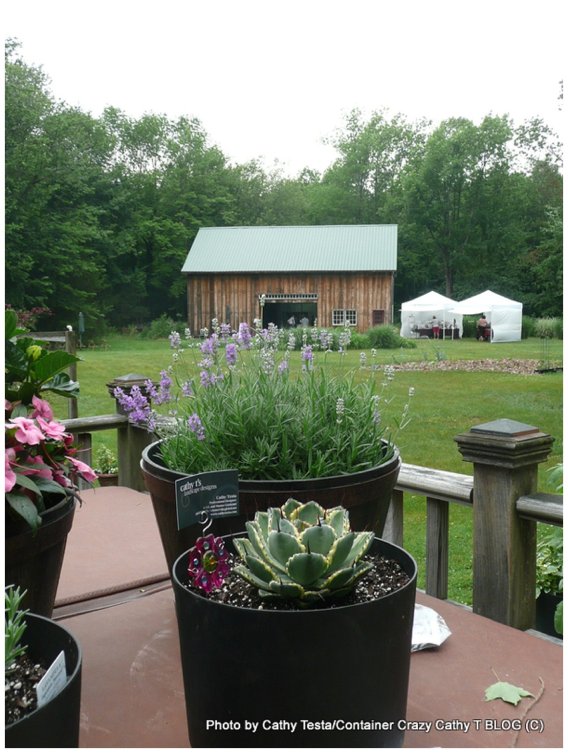
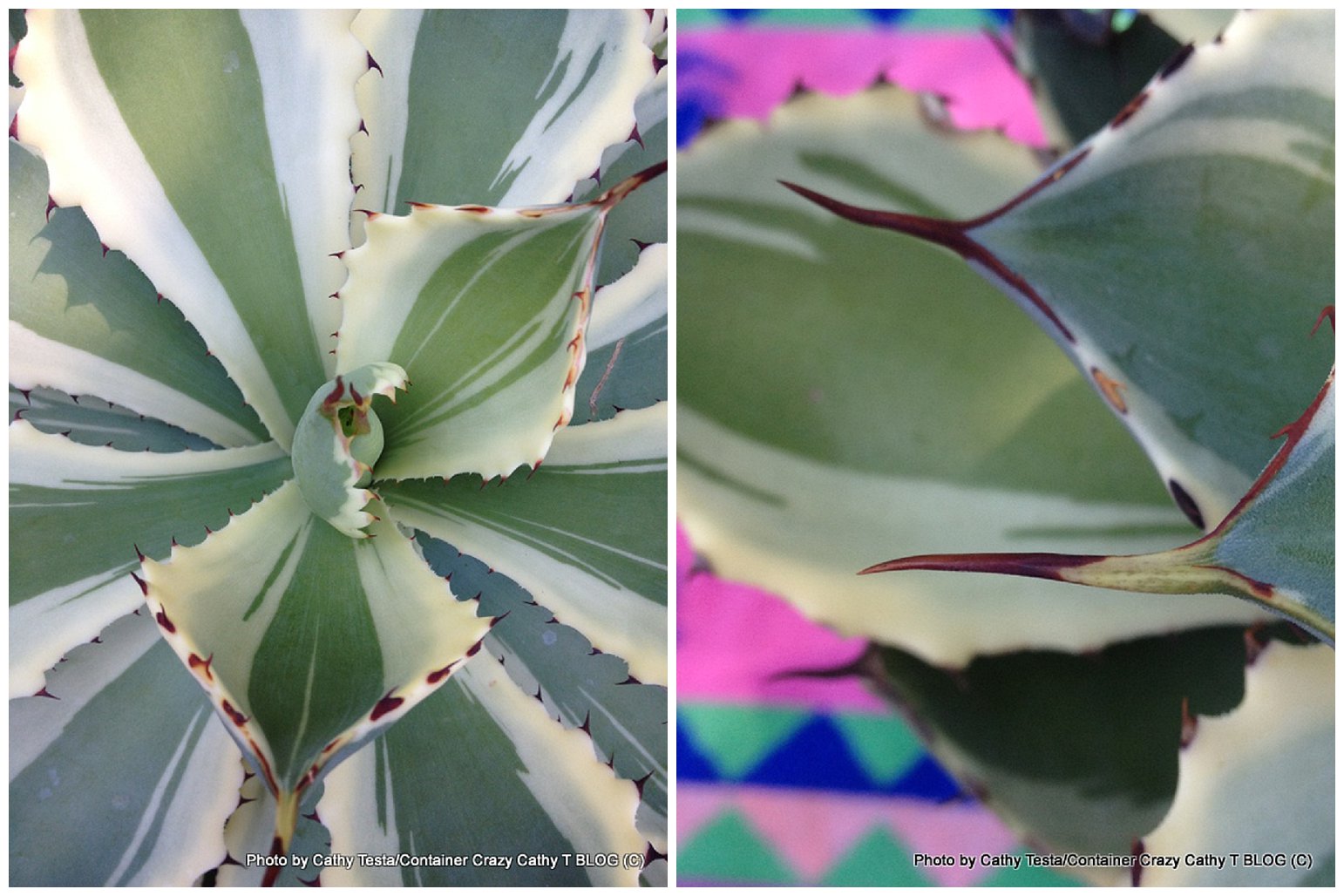
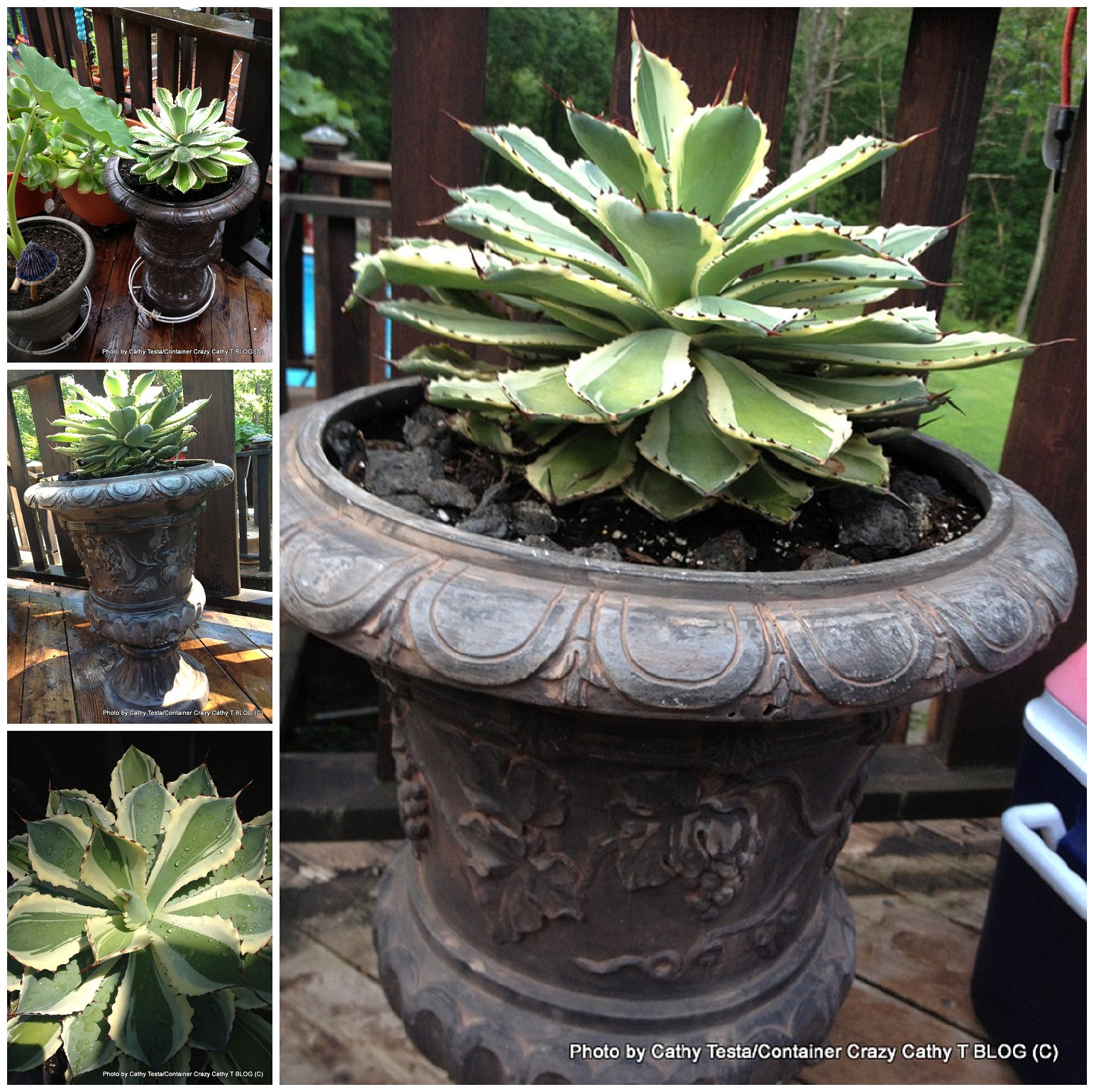
Agave ‘Kissho Kan’ (Century Plant) is a tough and beautiful ornamental succulent plant for container gardens. The plant has a strong form growing in a tight symmetrical rosette. It has more coloring than many other species of Agave plants. It bears creamy light yellow coloring adjacent to the blue green centers on its leaves. And the spines at the tips are cinnamon colored but prominent enough to be used as a color echo in a mixed container garden.
Original Plant
Besides being beautiful, it is a really easy to grow plant. Low-maintenance, it will last for years and potentially bloom (if you are lucky), and then die. Yup, croak. However, it will offer up Mini-Me’s over time as offshoots from the base prior to its death. And if the plant lasts at your home long enough for it to offer its flower stalks as its final gift to you, you may in turn want to honor its life and eventual passing by downing a shot of tequila — because, as many folks know, Agaves are used to produce the strong elixir.
Rosette, Spines
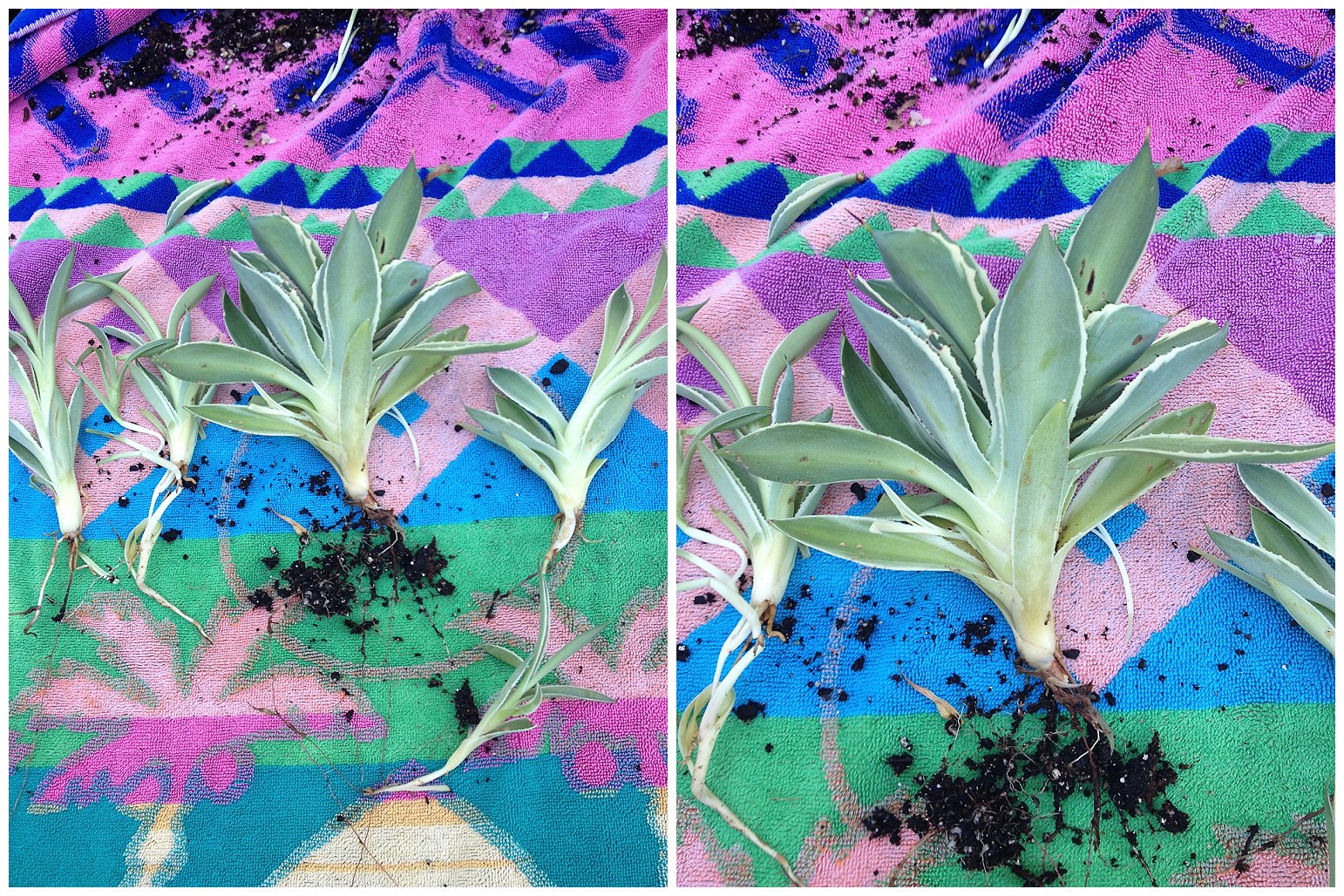
Mini-Me’s from the Mother Plant
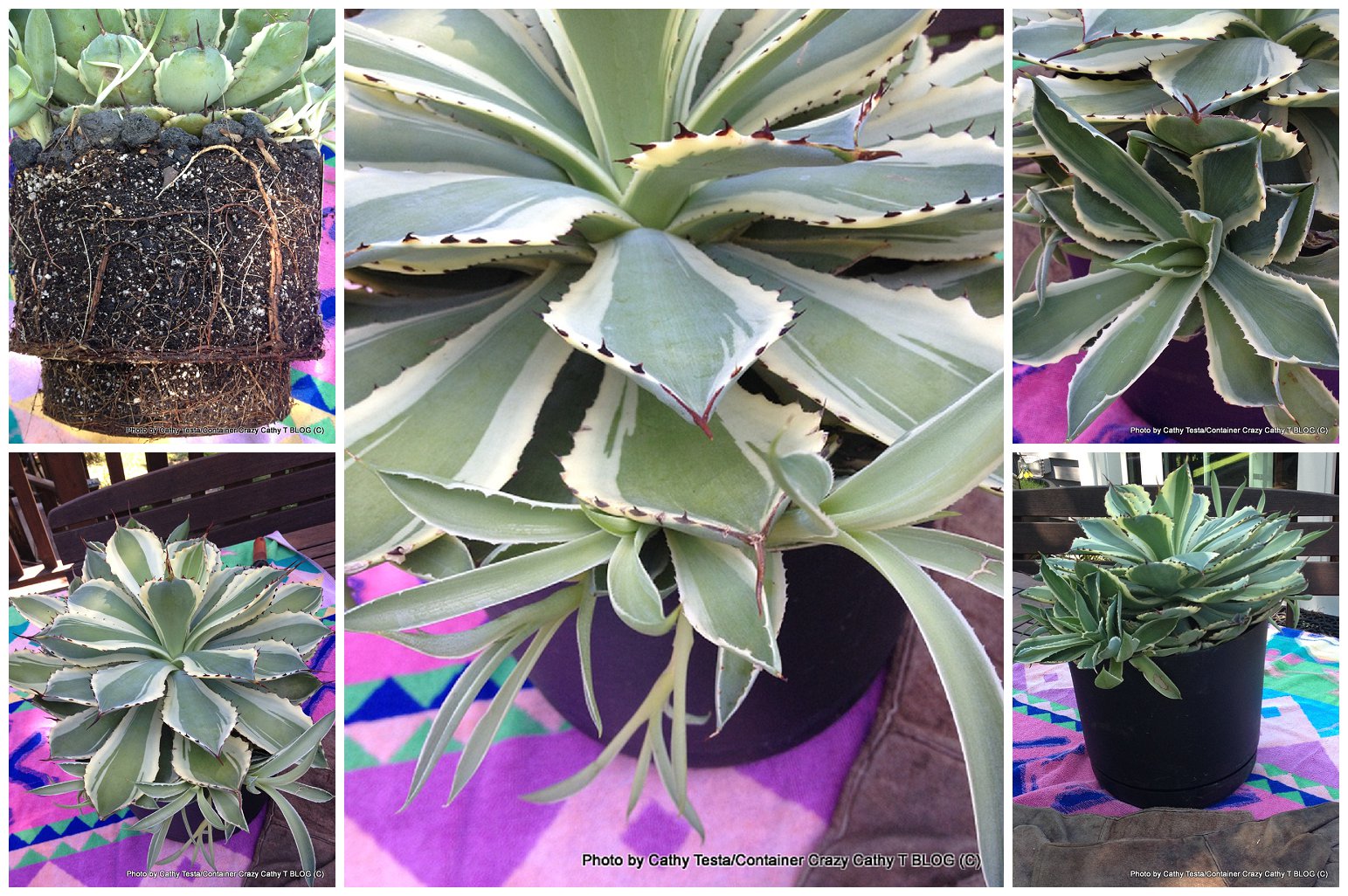
When mine was sprouting offsets (Mini-Me’s) at the base, I decided it was time for it to be re-potted. I grabbed a couple special gardening tools and selected an urn I had in my stock (perfect as it was one size up from the former pot). Collecting up some tools, I did my propagation routine which was easier than I expected.
Getting Ready to Repot
Tools:
Beach towel
Large grill tongs
Fish tank gravel
Potting mix amended with some coarse gravel and sand
Thick garden gloves, the type with rubber fingers and palms
Coarse airy stones for the top of the soil
The beach towel was used because I was lazy, and wanted to grab something quickly to put on my table to collect any fallen soil as I worked.
The grill tongs used because I couldn’t think of what else was handy to hold onto the Agave, but it turns out I didn’t really need those cause the plant easily shook out of the pot onto the towel.
The fish tank gravel was from a fish tank years ago. I knew I’d find a use for it. It was washed and rinsed prior to filling the base of the urn with it, to about a 1/3 of the way up from the base for drainage. Remember, well-draining soil is critical for this plant.
The thick garden gloves, well – for obvious reasons. To protect my hands from the Agave’s spines at the leaf tips.
And lastly, coarse porous black stones were for the top of the soil. Agave plants sit so close to the soil line that putting some barrier material between it and potentially wet soil will help to avoid rot situations. Also, the soil mix used must be porous. You can look for the type used for succulents or cacti if you don’t want to amend it yourself.
Pulling away offshoots
Each little baby plant or Mini-Me (a.k.a., sucker, sprout, offsets or offshoots) at the base of the Momma plant were easily pulled away and re-potted. Given to special gardening friends with a word of caution: Not hardy, avoid cold wet rain situations (early spring, late fall), and watch your hands or butt should you walk by this plant – the spines are sharp.
Mini Me’s
The pot should be relative to the size of the current plant. It thrives in tight conditions and is a slow-grower so it won’t overtake a pot or container garden quickly. Select a pot that is form fitting if you plan to grow it solo, or in a mixed planting situation, you can go somewhat bigger if desired.
Repotted into Urn
There are plenty of succulents and alpine type plants you can use to mix it up in a container garden for a real show. Want some ideas of what those are? Visit my Succulent Sensations Pinterest boards and attend my May 24th class in 2014.
There is much to know including how easy it is to give birth (propagate) new plants (Mini-Me’s) from the mother plant. Because, as I said earlier, this plant is easy to grow, you should have grandchildren from Agave ‘Kissho Kan’ in a two to three years.
Mixed container with Senecio and Sage
Celebrate its Birth and Size with Tequila
This plant will grow to about 15″ or so, slowly. However, other Agave species grow rather large. If you want to see a really big blue agave plant being dug out of the soil by a strong farmer, check out this video. I’d like to hire this guy to dig out some yucca plants in garden beds, equally tough to remove. And then have a couple tequila shots with him, because the plant he is harvesting is used to make tequila. And, believe me, he’s earned a shot or two if he does this process for the whole field of plants.
Fortunately, Agave ‘Kissho Kan’ is far more manageable, and it will not grow as large as shown in the video above. It is perfect for container gardens and for people who are a little negligent with their watering routines because the plant enjoys desert to semi desert conditions.
As mentioned above, the only thing you can do wrong to it is let it sit in cold wet conditions – this usually leads to rot on the leaves. My recommendation is to put it outdoors in the early summer after the early cold spring rains are done, and it is warm outside regularly. And to move it back inside for the winter before the cold autumn rains hit. It likes to stay warm. Most people fail with this plant because they think it will be okay if it gets rain at that time period because you still have warm days between cold rainfall, but I say avoid that cold rain situation all together for success.
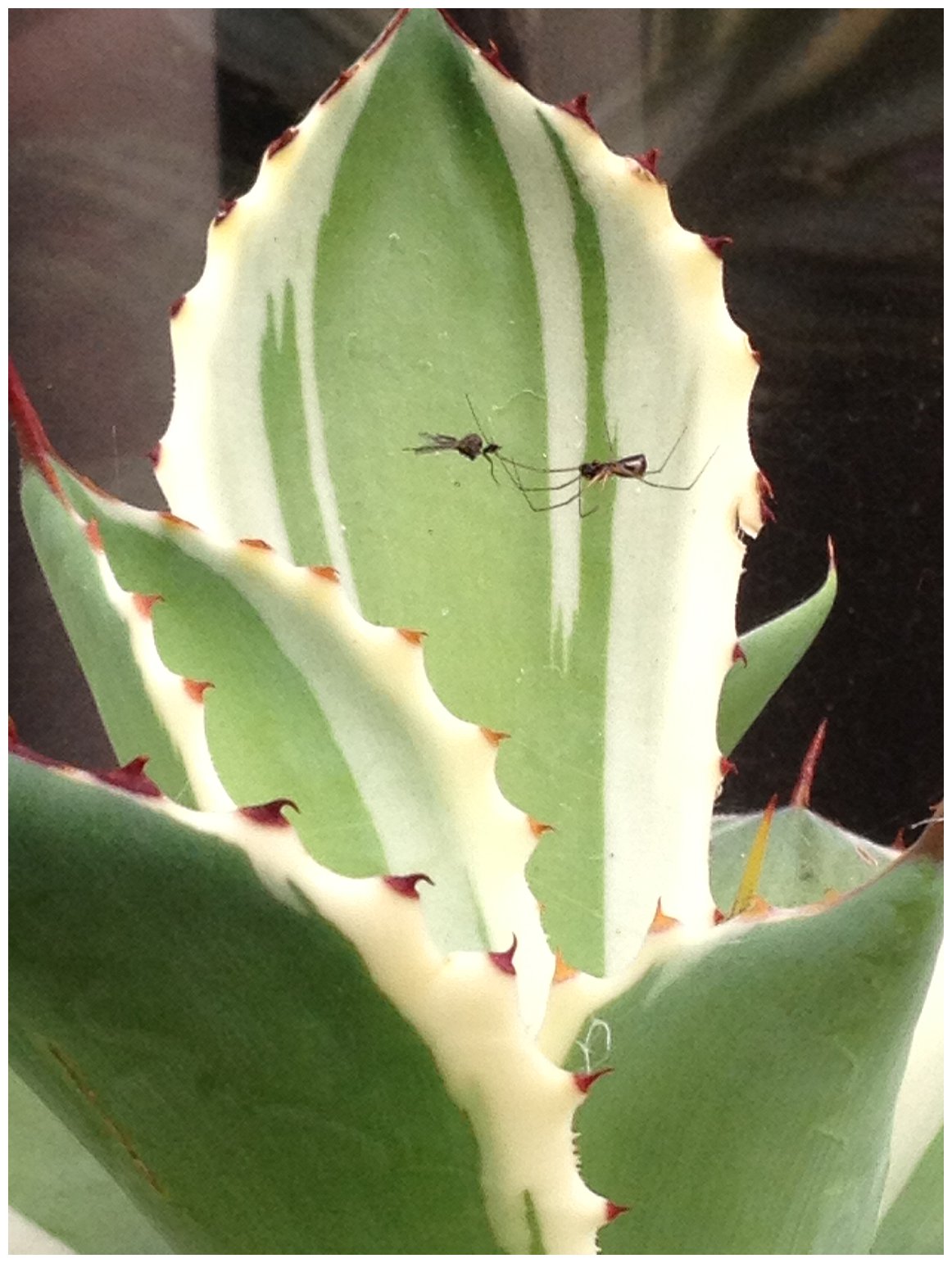
Spiders Visit the Plant on Summer
Death after Flowering
If you don’t kill it, or die from doing too many tequila shots – great – the plant (and you) will last a very long time, and even perhaps a beyond a few centuries. They grow so slow that many won’t produce a flower spike until after 15, 20 or even 30 years when it reaches maturity. The flowers rise on tall stalks and put on quite a show. In this video, you can see how a flower stalk reaches to the heavens. It is quite spectacular, requiring years and then just the right conditions to come out into the open.
Some Agaves will grow flowers regularly, but I must confess, I am not sure if Agave ‘Kissho Kan’ is one of them. There are some confusing references on it but not a concern, if I see a flower stalk appear, I’ll let you know immediately. In fact, I’ll be sure to brag about it. And then do a tequila shot to celebrate my success and to honor plant’s eventual passing after giving so much to its life.
Want to join me when this happens? I’ll get the good kind.
Cathy Testa
Plant Details:
Agave (Century Plant) Agave sp. Kichokan Agave potatorum ‘Variegata’
Zones 9-10 / Full Sun 15″ Tall Rosette
Common rush or soft rush (Juncus effusus) is a grass-like plant which resembles the foliage of chives with dark green cylindrical stems and a vase-shaped habit. Although its green stems appear stiff, they are soft to the touch. The plant grows from a clump at the base and each green stem grows up to pointy tapered tips. Because the plant has a strong dark green color and a vase-shaped upright habit, it is a nice thriller in a container garden or a sharp accent in a garden bed.
Chives, similar to the look of Juncus effusus is shown blooming purple flowers along a garden path with dark green spiky foliage. [Photo by Simon Howden, Freedigitalimages.net]
Easy to Grow in Versatile Conditions
This plant is also very easy to grow, experiences little to no disease or insect problems, and is flexible with its soil conditions. It can take moist, wet, sometimes dry, and difficult areas. It won’t flop, bend, or topple over as it matures, even when it is sticking out of water or snow. It’s adaptable to many conditions, making it easily-useful in the garden or in a container garden.
Juncus in shallow water. Juncus poking out of the snow [Photo left by Christian Fischer Wikimedia]
For years, I assumed Juncus effusus (common rush or soft rush) was an annual plant and used it commonly in container gardens or patio pots during the summer, but seeing it return in a garden bed one year, I later realized my error. As I searched for the plant’s origin and genus, it was interesting to see how it is described by different references on the web and in some gardening books, as follows:
A clump forming wetland plant
A slow-spreading, clump forming, grass-like perennial
A plant loosely referred to as an ornamental grass
A rush from the plant family Juncaceae
A useful solution for wet-moist-sometimes-dry landscapes
A species which is mostly perennial, rarely annual
A warm-season grass
A cosmopolitan rush species
An annual, perennial herb, general from rhizomes
A grass-like, rhizomatous perennial
A perennial wetland plant
It is indeed a plant in the Juncaceous(rush) family, and it’s a monocotyledonous plant, which means it has a single cotyledon in the seed as in grasses. It looks more like a grass than an herbaceous ornamental perennial, but it is perennial for it returns every year. Although it can be described as a type of ornamental grass, it is technically not classified as such. My favorite description spotted on the web for this plant has to be # 8 listed above: A cosmopolitan (Watch out, Vogue). However, this term means its range extends across all of most of the world in appropriate habitats.
Stiff Stems are Soft to the Touch
The foliage on Juncus effusus (common rush, soft rush) is made up of individual leafless stems grouped together growing from a clumped base. Because the stems stand firmly together, the plant won’t flop over as it grows larger. Unlike typical ornamental grasses, it doesn’t tend to sway in the wind easily or become scraggly looking over time. Adjacent plants in a mixed garden bed or container garden won’t be buried by it either. Its spikey form is bold looking, tough, and vertical.
It has a Nice Effect in Containers and Garden Beds
Stored pot will return Juncus effusus each season
From a designer’s point of view, this plant makes a nice effect in a composition of mixed plants because of its shape and habit, serving as a nice thriller in containers elevating an arrangement, or as a center focal point in gardens, especially when placed near a lighter green color or bolder leaf texture. Perhaps it can even be massed or grouped in landscapes to help with soil erosion or as an alternative to turf grass in select areas with the right exposure (sun is preferred).
And, as mentioned above, Juncus effusus (common rush, soft rush) prefers moist-sometimes dry landscapes. And this particular variety is a dark green color, which remains dark green during the season but eventually turns a muted brown in the fall and winter. It will remain standing during the winter months and the stems’ pointy tips will poke out of a snow covered area without bending or breaking, adding interest in the winter months.
Summer Flowering is More Interesting than Showy
Juncus flowering [Photo by Frank Vincentz Wikipedia Commons]
It flowers in summer (typically around June), but rather than shooting out flowers from the top, the flowers seem to extend from the sides of the stems opening up like a side curtain. Unlike the purple balls of chive’s flowers, this plant’s yellowish flowers are not super-attractive, but they still add character to the plant in summer. The flowers are clustered together in batches, and turn a bit brownish later in the season as they mature. They are the type of flowers which are more interesting to look at than showy or floral.
For Water Gardens and Low-Wetlands
Photo Christian Fischer, Wikipedia; See Attributions Below
Because of its flexible nature in regards to soil conditions, this is a great candidate for water gardens in decorative pots, or in low wet areas in your landscape. It is also a great choice for rain gardens which fill up with water during a rainfall, but then later dry out when there is no rain occurring. Another benefit to using it container gardens is this will control its potentially spreading roots (rhizomatous in nature), so it can be also used as a “troublemaker turned star” plant. However, although it can spread under ideal conditions in the landscape, mine has not caused any sneak appearances elsewhere as of yet. Besides an occasional watering with the hose in the summer, my plant has been growing well in dry-sometimes “wet” soil, a little opposite to description # 5 above.
Curly Cultivars with Twists and Turns
Not only is Juncus effusus (common or soft rush) a plant with formal looking, straight v-shaped look, there are also cultivars with more funky foliage traits, such as J. effusus ‘Frenzy’ (variegated corkscrew rush), J. effusus ‘Unicorn’ (giant spiral rush), and also J. effusus ‘Spiralis’ (corkscrew rush). Unlike their upright cousins, the foliage on these varieties bear stems with twists and turns, resembling untamed curls in otherwise straight hair or the spiral metal rod of a corkscrew. The curly varieties add a bit of whimsy to fun containers, such as head shaped pots. And are great for kids to enjoy because of the plants’ playfulness and irresistibility to touch.
Juncus effusus (common rush, soft rush) is a plant with many uses able to take varying conditions and is a long performer in the garden. These benefits make this candidate a low-maintenance and high versatile plant. Remember to take notice of it and consider its uses next time you are out shopping for plants, which hopefully will be in 30 days when spring arrives!
For more information, refer to these useful links:






















![Juncus in water and snow [Photo left by Christian Fischer Wikimedia; Photo right by Cathy Testa]](https://containercrazyct.com/wp-content/uploads/2014/02/juncus_0007.jpg?w=590&h=420)

![Juncus flowering [Photo by Frank Vincentz Wikipedia Commons]](https://containercrazyct.com/wp-content/uploads/2014/02/juncus_0002.jpg?w=590&h=516)


 Container Crazy CT